By Cameron Graves

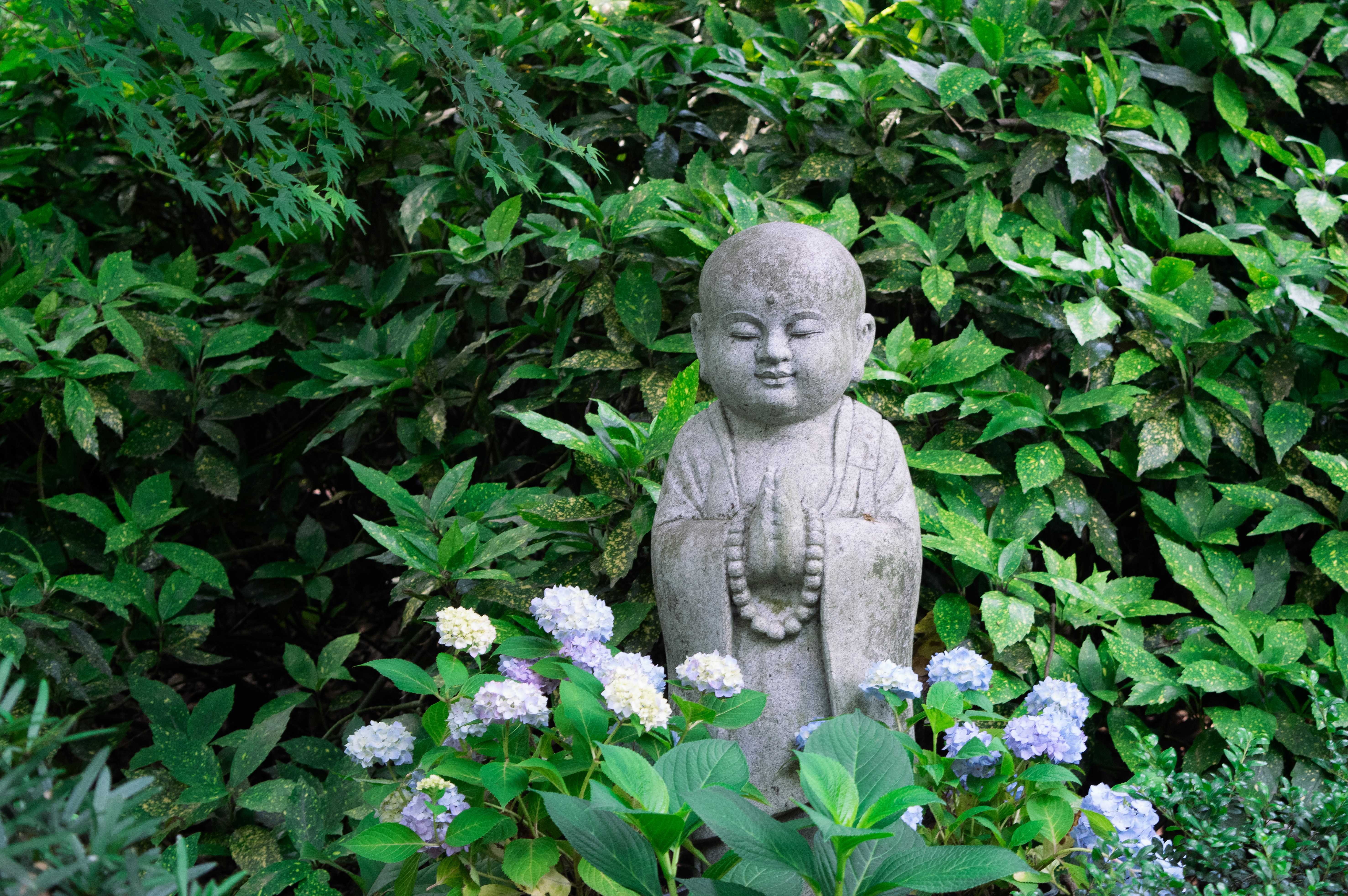
Image Credit: Photo by Charlotte Cowell on Unsplash
Gardening has long been valued for its beauty, productivity, and connection to the natural world, yet for many people it also offers something quieter and more deeply personal, creating a sense of calmness, restoration, and emotional grounding. In an increasingly fast-paced and digitally connected world, gardens have become meaningful spaces where people can slow down, reconnect with seasonal rhythms, and experience a gentler relationship with everyday life.
Gardening for wellbeing is not about creating perfect landscapes or highly curated outdoor spaces. Instead, it is about cultivating environments that support emotional balance, sensory connection, mindfulness, and a deeper appreciation for the restorative qualities of nature. Whether tending a small balcony garden, caring for indoor plants, or designing a layered outdoor sanctuary, the act of gardening can become a calming ritual that supports both mental and emotional wellbeing throughout the seasons.
The Restorative Nature of Gardens
Gardens naturally encourage presence and observation. They invite us to notice small seasonal changes through the emergence of new growth in spring, the softness of evening light through ornamental grasses, the scent of flowering herbs carried on warm air, or the quiet stillness of winter gardens resting between seasons. These slower observations can gently draw attention away from stress and overstimulation, creating moments of calm reflection within everyday life.
Unlike many modern environments that demand urgency and constant productivity, gardens move according to seasonal rhythms. Plants grow gradually, flowers bloom in their own time, and landscapes continuously evolve through cycles of growth, rest, and renewal. Spending time within these rhythms can help create a sense of emotional grounding and perspective, reminding us that nature does not rush and yet continues to flourish.
Even simple gardening activities such as watering plants, sowing seeds, harvesting herbs, or observing pollinators moving through the garden can become restorative daily rituals. These repeated actions encourage mindfulness and allow people to reconnect with slower and more intentional ways of living.
Gardening as a Sensory Experience
One of the most powerful aspects of gardening for wellbeing is its sensory nature. Gardens engage sight, sound, scent, movement, and touch in ways that help create immersive and emotionally calming environments.
Softly layered planting, natural textures, and movement within the landscape can all contribute to a more restorative atmosphere. Ornamental grasses swaying in the wind, fragrant lavender flowering in summer, rain falling onto foliage, or birdsong within the garden can all influence how outdoor spaces are emotionally experienced.
Sensory planting is often used within therapeutic and restorative garden design because it encourages people to engage more deeply with the present moment. Plants with fragrance, texture, movement, or seasonal interest can help create outdoor environments that feel calming and immersive rather than purely decorative.
Some commonly used wellbeing plants include:
- Lavender for fragrance and pollinator activity
- Chamomile for softness and calming sensory qualities
- Rosemary for scent and seasonal structure
- Ornamental grasses for movement and atmosphere
- Jasmine for evening fragrance
- Mint and lemon balm for refreshing sensory gardens
- Silver foliage plants for softness and light reflection
Gardens designed with sensory experience in mind often feel more emotionally restorative because they encourage slower observation and deeper interaction with the surrounding environment.
The Importance of Seasonal Living
Gardening naturally reconnects people with the changing seasons. In modern life it can be easy to lose awareness of seasonal transitions, particularly when daily routines remain largely unchanged throughout the year. Gardens gently restore this connection by making seasonal change visible and tangible.
Spring often brings feelings of renewal and optimism as bulbs emerge, fresh growth appears, and flowering trees begin to bloom. Summer gardens feel abundant and immersive, filled with colour, warmth, pollinator activity, and long evenings outdoors. Autumn introduces softness, texture, seed heads, and changing foliage, encouraging reflection and slower rhythms. Winter gardens create space for quietness, rest, and observation of structural planting and subtle seasonal detail.
Living more closely with these natural rhythms can create a greater sense of emotional balance and presence throughout the year. Seasonal gardening encourages acceptance of change, patience, and appreciation for gradual growth and renewal. Rather than resisting seasonal transitions, gardening helps people experience beauty within each phase of the cycle.
Gardening and Emotional Wellbeing
Many people are drawn to gardening because it provides a sense of calmness and escape from daily pressures. Spending time outdoors and engaging with plants can help create mental space away from screens, constant information, and overstimulation.
Gardening often supports emotional wellbeing through:
- creating calming routines
- encouraging mindfulness and focus
- reducing feelings of stress and overwhelm
- increasing connection with nature
- providing gentle physical activity
- encouraging creativity and self-expression
- fostering patience and emotional resilience
Importantly, gardening does not need to be large-scale or highly productive to offer these benefits. Even caring for a few indoor plants or spending quiet time observing seasonal change within a small outdoor space can help foster feelings of calmness and emotional connection.
Gardens also provide spaces for reflection and restoration. Many people find comfort in returning to familiar plants each year or observing seasonal changes within landscapes they know well. These repeated experiences create continuity and emotional grounding over time.
Creating a Garden for Wellbeing
Gardens designed for wellbeing often prioritise atmosphere, comfort, and sensory experience over perfection or complexity. The goal is not to create a flawless outdoor space but to cultivate an environment that feels restorative and emotionally supportive.
Some simple ways to create a more restorative garden include:
Introduce Layered Planting
Layered planting creates softness, movement, and visual immersion within the landscape. Combining different plant heights, textures, and seasonal interest helps gardens feel calmer and more natural.
Use Fragrant Plants
Fragrance adds emotional depth and sensory richness to gardens. Lavender, jasmine, rosemary, mint, thyme, and scented roses can all help create restorative outdoor spaces.
Create Spaces to Pause
Simple seating areas, quiet pathways, shaded corners, or sheltered garden nooks encourage slower observation and reflection within the landscape.
Incorporate Movement
Plants that move naturally in the wind such as ornamental grasses, salvias, cosmos, and gaura help gardens feel softer and more dynamic.
Encourage Wildlife
Pollinator-friendly planting and biodiversity create gardens that feel alive and connected to the surrounding ecosystem. Birds, bees, butterflies, and beneficial insects all contribute to a richer outdoor experience.
Embrace Seasonal Change
Allow gardens to evolve throughout the year rather than aiming for constant perfection. Seed heads, autumn foliage, flowering cycles, and winter structure all contribute to seasonal beauty.
Indoor Plants and Everyday Wellbeing
Gardening for wellbeing is not limited to outdoor spaces. Indoor plants can also help create calming and restorative environments within the home. Houseplants soften interiors, introduce natural textures, and encourage everyday connection with living things.
Plants such as peace lilies, pothos, monstera, ferns, and rubber plants can help create indoor spaces that feel more grounded and connected to nature. Even small collections of herbs on a windowsill can foster sensory engagement and seasonal awareness within daily routines.
Indoor gardening also provides accessible opportunities for people with limited outdoor space or those beginning their gardening journey. Caring for indoor plants can become a gentle and rewarding practice that supports mindfulness and emotional wellbeing over time.
Slow Gardening and Mindful Living
Gardening for wellbeing often aligns closely with slower and more intentional approaches to living. Gardens encourage patience, observation, and acceptance of gradual change — qualities that are increasingly valuable within modern life.
Slow gardening is not about achieving immediate results or constantly redesigning outdoor spaces. Instead, it embraces the idea that gardens evolve slowly over time through care, observation, and seasonal rhythm. This mindset can help reduce pressure and encourage a more reflective relationship with both gardening and everyday life.
Mindful gardening may involve:
- observing seasonal change
- gardening without urgency
- appreciating small details within nature
- spending quiet time outdoors
- reconnecting with natural rhythms
- allowing gardens to evolve gradually
This slower approach often creates deeper emotional connection with outdoor spaces because the focus shifts from perfection toward experience and presence.
The Emotional Atmosphere of Gardens
Perhaps one of the most overlooked aspects of gardening for wellbeing is the emotional atmosphere gardens can create. Some outdoor spaces feel energising and vibrant, while others feel soft, restorative, reflective, or deeply calming.
Garden atmosphere is shaped through:
- planting style
- texture and movement
- light and shade
- colour palettes
- sensory planting
- sound and wildlife activity
- spatial layering
Gardens that support wellbeing often feel immersive rather than highly controlled. They encourage exploration, comfort, and emotional ease rather than rigid structure or visual intensity.
Even small atmospheric details such as filtered evening light through grasses, the scent of herbs warming in the sun, or the sound of rain on foliage can contribute to how emotionally restorative a garden feels.
Reconnecting With Nature Through Gardening
At its heart, gardening for wellbeing is often about reconnection. Reconnecting with nature, with seasonal rhythms, and with slower ways of living. Gardens remind us to observe, nurture, and participate within the natural world rather than remaining separate from it.
This connection can be deeply grounding. Watching seeds germinate, pollinators visit flowers, or trees change through the seasons encourages awareness of cycles much larger than daily pressures and routines. Gardens create opportunities for reflection, creativity, and emotional restoration while helping people cultivate a greater sense of presence within everyday life.
Importantly, gardening for wellbeing does not require expertise, large landscapes, or perfect gardens. It begins simply through connection, observation, and care. Whether through a single indoor plant, a small courtyard garden, or a layered outdoor sanctuary, gardening can become a meaningful and restorative part of seasonal living.
Final Thoughts
Gardening for wellbeing is ultimately less about achieving perfection and more about creating connection. Connecting to nature, to the seasons, and to the quieter rhythms of everyday life. Gardens offer spaces where people can slow down, reflect, observe, and experience moments of calmness within increasingly busy worlds.
Through sensory planting, seasonal awareness, biodiversity, and intentional outdoor living, gardens can become restorative environments that support emotional wellbeing throughout the year. Whether large or small, structured or informal, gardens have the ability to nurture not only plants but also a deeper sense of grounding, mindfulness, and connection with the natural world.
In many ways, gardening gently reminds us that growth takes time, seasons continually change, and beauty is often found within the quieter moments of observation and care.
About the author
Cameron Graves is a horticultural scientist, writer and founder of Garden Lovers Collective. Drawing on more than two decades of experience in horticulture, he explores the relationship between plants, gardens, nature and human wellbeing.


Leave a Reply