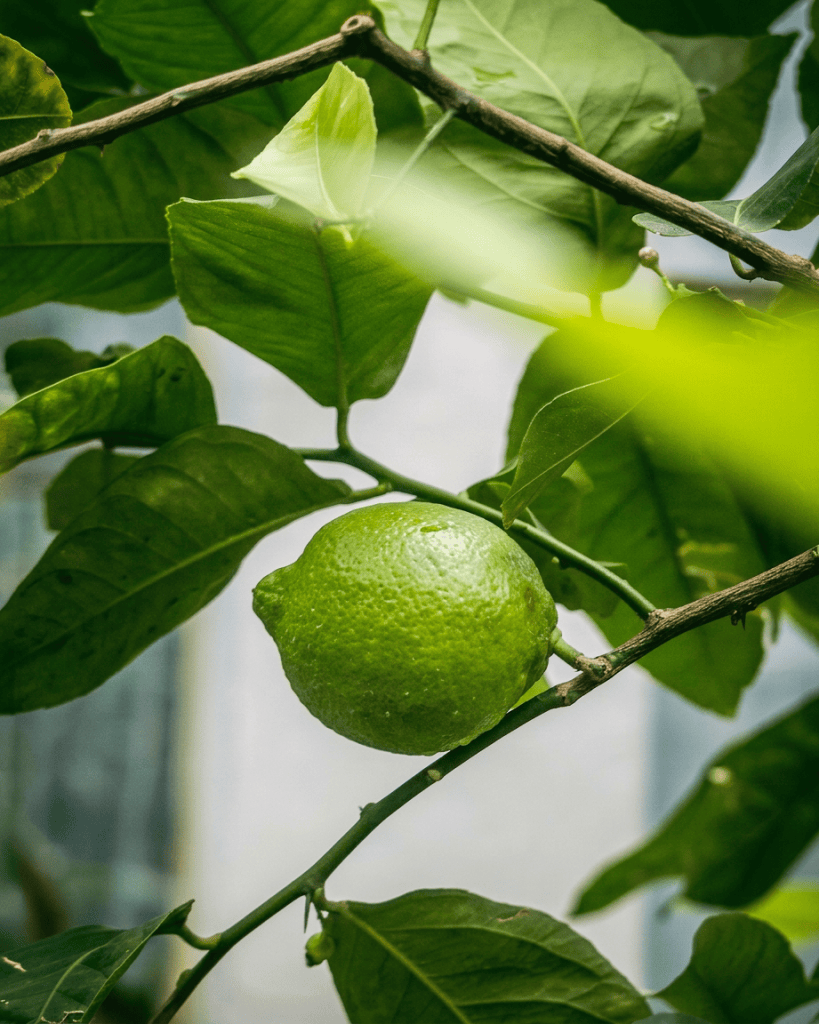
FRUIT TREES
Fruit trees bring together ornamental beauty and seasonal productivity, making them a valuable addition to both decorative and productive gardens. From spring blossom and fresh summer growth to autumn harvests and winter structure, fruit trees contribute year-round interest while also providing an opportunity to grow edible produce within the garden.
Many fruit trees produce beautiful seasonal displays, with delicate blossoms appearing in spring followed by developing fruit throughout the warmer months. Their changing seasonal character helps introduce rhythm and connection to the garden, while their branching structure and foliage contribute softness, depth, and natural atmosphere within outdoor spaces.
Fruit trees can be grown in a wide range of settings including orchards, kitchen gardens, courtyards, lawns, raised beds, and even containers where compact or dwarf cultivars are used. Depending on the species and variety, they may be grown as standalone feature trees, trained along walls and fences, or incorporated into mixed productive planting schemes alongside herbs, vegetables, and pollinator-friendly flowers.
Beyond their practical value, fruit trees also support biodiversity by attracting pollinators during flowering and providing habitat and seasonal food sources for wildlife. Their blossoms are particularly beneficial for bees and other beneficial insects during spring.
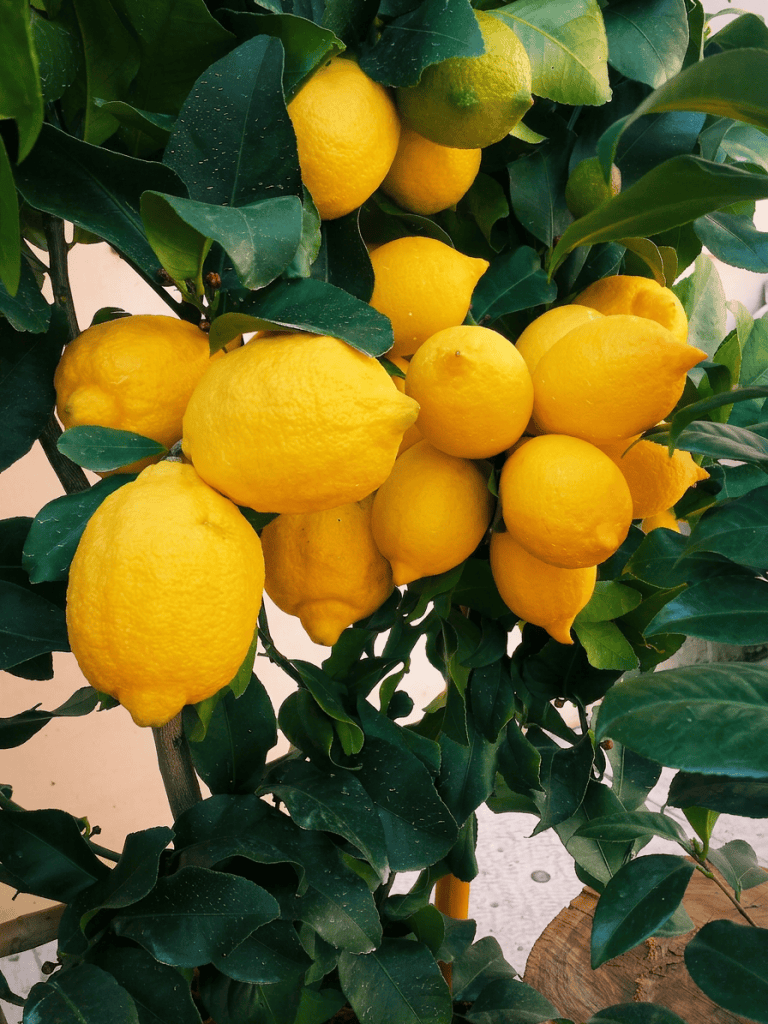
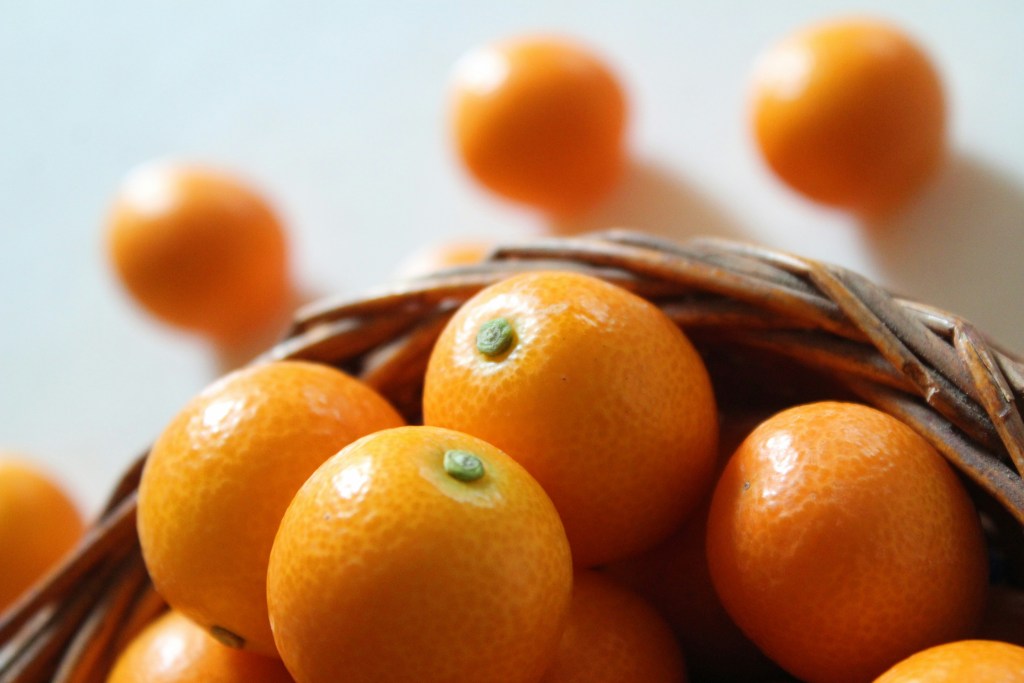
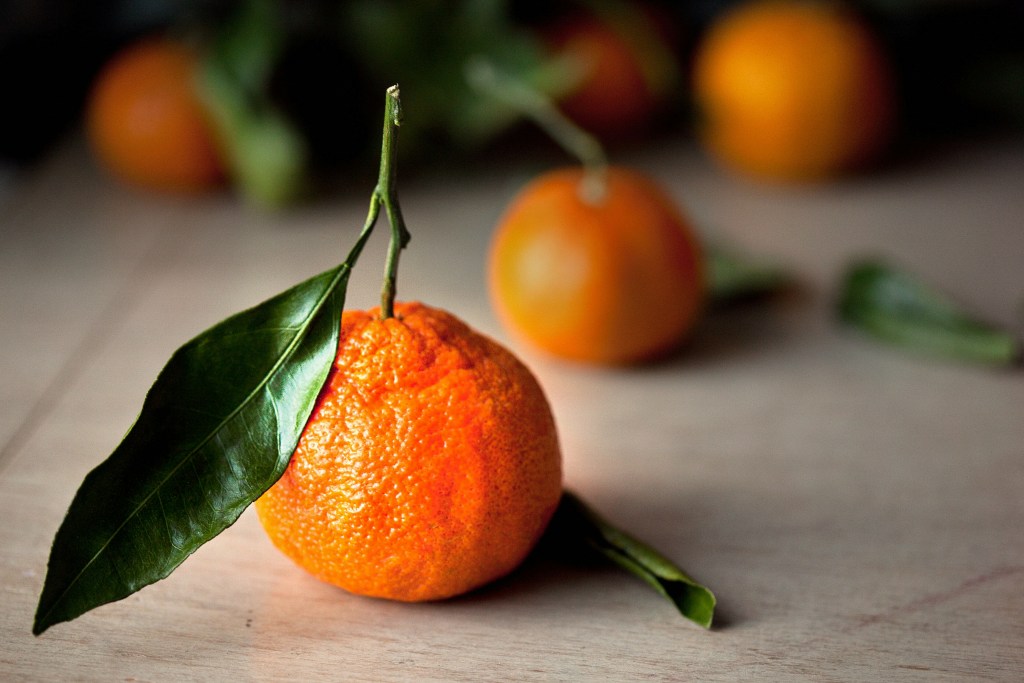
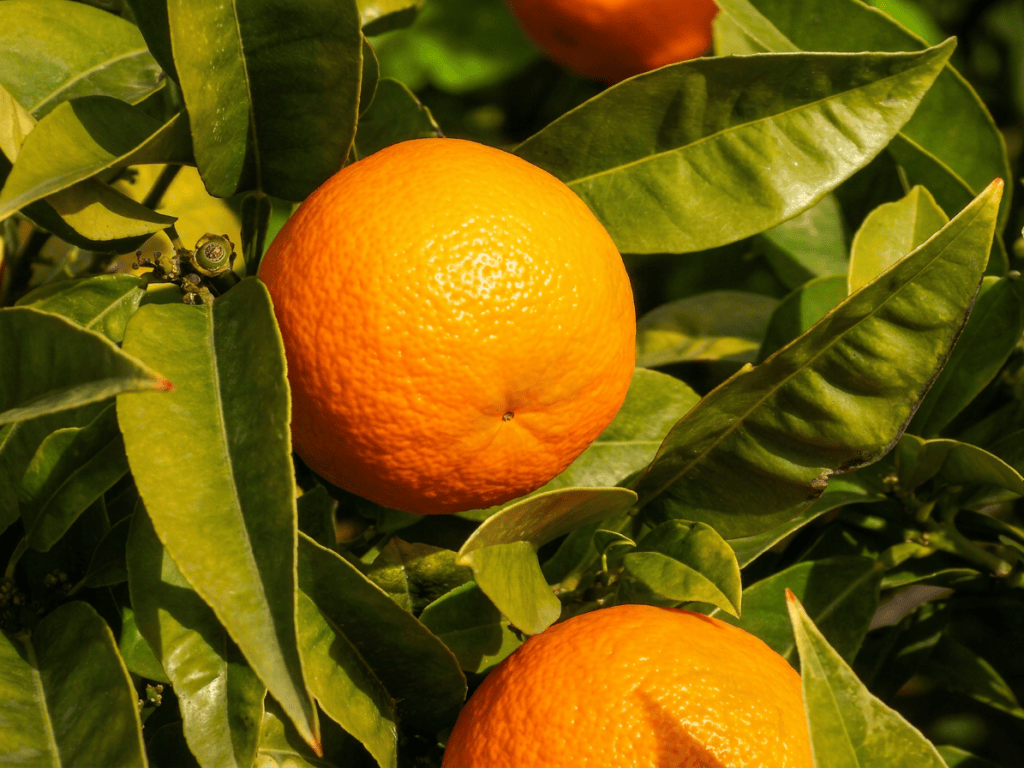
This section explores a range of fruit trees suited to different garden sizes, climates, and growing conditions, including apples, pears, plums, cherries, citrus, figs, and other seasonal favourites. Whether grown for harvest, seasonal blossom, or ornamental structure, fruit trees help create gardens that feel productive, abundant, and closely connected to the rhythm of the seasons.