Mandarin
Citrus reticulata
Plant Overview
Mandarin (Citrus reticulata) is a small evergreen citrus tree prized for its fragrant spring blossoms, glossy foliage, and sweet, easy-to-peel fruit. Believed to have originated in southern China and parts of Southeast Asia, mandarins have been cultivated for thousands of years and remain among the most widely grown citrus trees in home gardens throughout temperate and subtropical regions.
Unlike many larger citrus species, the Mandarin combines ornamental beauty with abundant productivity. Throughout the year, its rich green foliage provides structure and colour, while spring brings clouds of delicately scented white flowers that fill the surrounding air with a fresh citrus fragrance. As the seasons progress, these blossoms gradually develop into vibrant orange fruit, creating one of the most rewarding transformations in the garden.
Mandarins are well suited to gardens of many sizes. Their naturally compact growth makes them equally successful as feature trees, productive orchard specimens, or container plants on sunny patios and courtyards. Modern dwarf cultivars have further extended their suitability to smaller spaces, allowing even modest gardens to enjoy home-grown citrus.
There is a quiet anticipation in growing a Mandarin tree. The first blossoms promise the harvest still months away, while each developing fruit reflects the passing of the seasons. Watching the fruit slowly colour beneath the autumn sun reminds us that some of the sweetest rewards in the garden arrive only through patience and time.
Appearance & Growth Habit
Mandarin is a small evergreen tree that typically reaches between 3 and 5 metres in height, although dwarf selections often remain below 2 metres. It naturally develops a rounded, well-balanced canopy with dense branching that provides year-round structure.
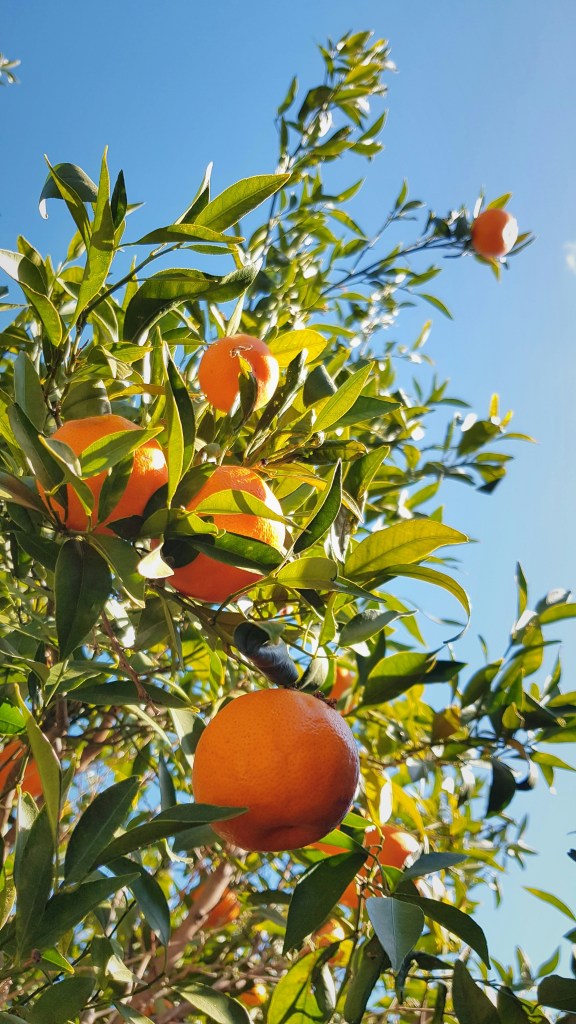
The leaves are glossy, deep green, and narrowly oval, remaining on the tree throughout the year. Their polished surface catches changing light beautifully, creating a fresh appearance even outside the fruiting season.
During spring, clusters of pure white, five-petalled flowers appear among the foliage. Richly fragrant and abundant in nectar, they attract bees and other pollinating insects while filling the surrounding garden with their unmistakable citrus perfume.
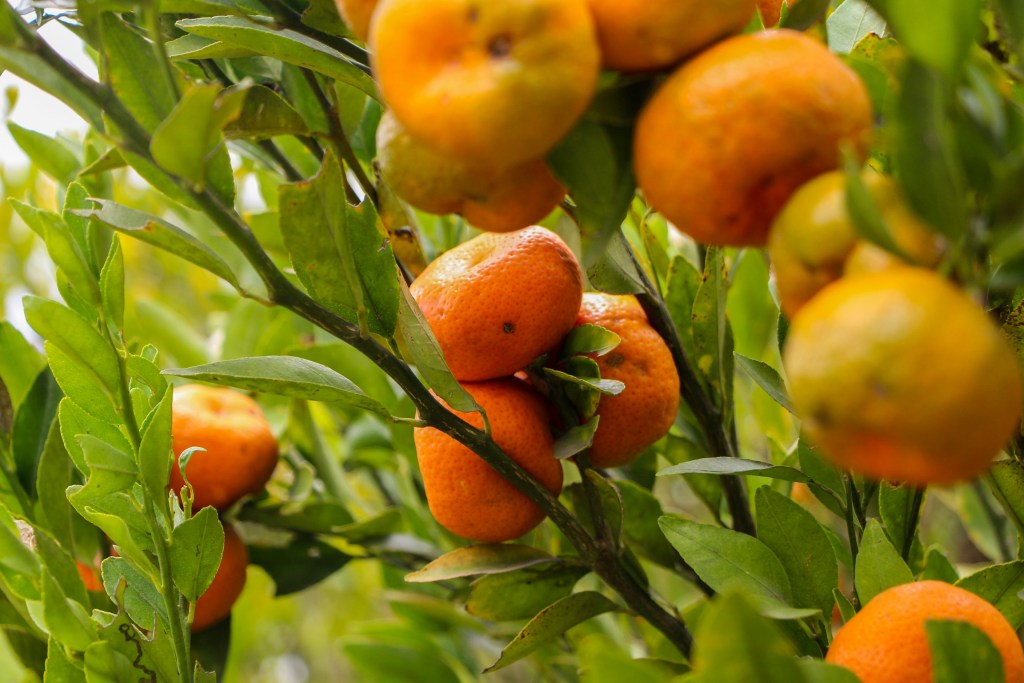
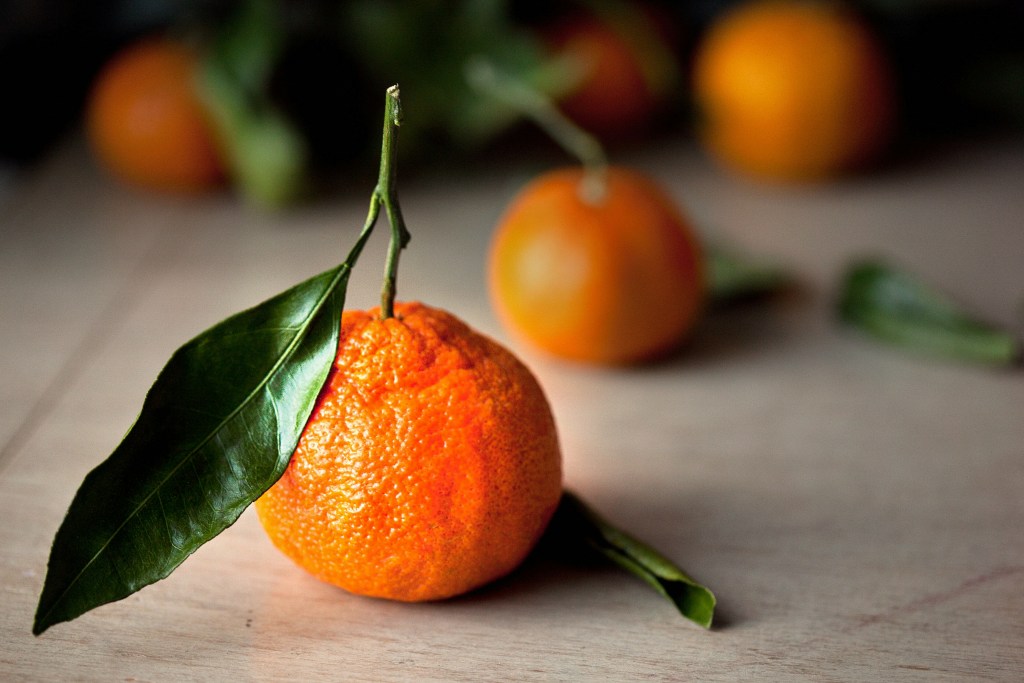
Following pollination, small green fruit gradually develops, enlarging throughout summer before ripening into bright orange mandarins during autumn or early winter, depending on the cultivar and climate. The fruit is typically easy to peel, with sweet, juicy segments that separate readily, making it one of the most popular citrus fruits for fresh eating.
Growing Conditions
Mandarin trees thrive in full sun and require at least six to eight hours of direct sunlight each day for healthy growth and reliable fruit production. Warm, sheltered positions protected from strong winds encourage abundant flowering and high-quality fruit.
They perform best in fertile, well-drained soils enriched with organic matter. Slightly acidic to neutral soils are ideal, while heavy clay should be improved to ensure good drainage around the root system.
Regular watering is particularly important during flowering, fruit development, and periods of prolonged dry weather. However, the soil should never remain waterlogged, as healthy roots require both moisture and oxygen.
Mandarins are well suited to home orchards, kitchen gardens, courtyards, and large containers where sunlight is plentiful. In cooler regions, selecting a sheltered microclimate or growing dwarf varieties in movable containers offers additional protection during winter.
Care & Maintenance
Mandarin trees respond well to consistent, uncomplicated care. Young trees benefit from regular watering while establishing, after which mature specimens require deep watering during dry periods, particularly when carrying fruit.
An annual application of compost combined with a balanced citrus fertiliser during spring and summer supports healthy foliage, flowering, and fruit production. Nutrient deficiencies, particularly of nitrogen, magnesium, or iron, are best corrected promptly to maintain vigorous growth.
Light pruning is generally all that is required. Removing dead, damaged, or crossing branches improves airflow while maintaining the tree’s naturally rounded form. Excessive pruning should be avoided, as mandarins fruit most reliably on healthy, mature growth.
Applying organic mulch around the base helps conserve moisture, regulate soil temperature, and gradually improve soil health. Care should be taken to keep mulch clear of the trunk to reduce the risk of disease.
With suitable care, Mandarin trees remain productive for many decades, often increasing their harvests as they mature.
Seasonal Notes
Spring marks one of the tree’s most memorable seasons as fragrant white blossoms emerge among fresh green foliage. Their perfume attracts pollinating insects and announces the beginning of another fruiting cycle.
Summer is a period of steady growth. The young fruit gradually enlarges while the tree continues producing healthy foliage beneath long, warm days.
Autumn brings the most anticipated transformation as the fruit slowly changes from green to rich orange. Cooler nights often enhance both colour and sweetness, making harvest a celebration of the passing season.
Winter sees many cultivars reaching full maturity. Bright fruit hanging among glossy evergreen leaves provides colour when much of the garden has become quieter. Even after harvest, the tree retains its graceful structure while already preparing for another spring flowering.
Uses
Mandarin is one of the most rewarding fruit trees for home gardens, combining ornamental beauty with generous harvests of sweet, easily peeled fruit. It is equally at home in orchards, productive kitchen gardens, sunny courtyards, and large decorative containers where both flowers and fruit can be enjoyed at close range.
The fragrant spring blossoms attract bees and other pollinating insects, contributing to the health and diversity of the wider garden ecosystem. Throughout the year, the evergreen canopy provides structure, while the colourful fruit adds seasonal interest long before it is harvested.
Fresh mandarins are enjoyed straight from the tree and are also used in salads, desserts, preserves, juices, baking, and marmalades. Their aromatic peel is valued in cooking and confectionery, while the tree itself becomes a lasting feature of productive landscapes.
A Mandarin tree teaches patience in the gentlest way. Spring offers fragrance, summer quietly nurtures the growing fruit, and autumn brings colour before winter finally rewards the months of waiting. Each stage is connected to the next, reminding us that the garden’s greatest harvests are rarely hurried. They are shaped by sunlight, seasons, and the quiet confidence of growth unfolding in its own time.