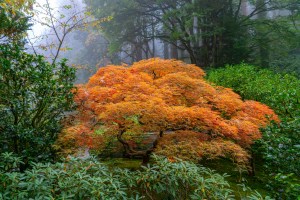
DECIDUOUS TREES
Deciduous trees bring seasonal change, movement, and evolving character into the garden, offering a dynamic presence that shifts throughout the year. From the emergence of fresh spring foliage and blossom to rich autumn colour and sculptural winter branches, these trees help strengthen a sense of connection to the natural rhythm of the seasons.
Many deciduous trees are valued for their ornamental beauty, providing seasonal interest through flowering displays, textured bark, vibrant foliage, or striking branch structures revealed during winter dormancy. Their changing appearance allows gardens to feel more immersive and responsive to seasonal transitions, introducing colour, light, and atmosphere throughout the year.
During spring and summer, deciduous trees provide shade, softness, and habitat, while in autumn many species produce dramatic displays of gold, amber, crimson, and copper-toned foliage before shedding their leaves for winter. This seasonal cycle can help create a garden that feels layered, evolving, and visually connected to the surrounding environment.
Deciduous trees are suitable for a wide range of garden settings, from smaller ornamental specimens in courtyards and urban gardens to larger canopy trees that contribute long-term structure and scale within the landscape. They can be used as feature trees, avenue planting, natural screening, or to provide dappled shade and depth within mixed planting schemes.
Beyond their ornamental value, many deciduous trees also support biodiversity by providing blossom for pollinators, shelter for birds and wildlife, and seasonal food sources throughout the year.
This section explores a variety of deciduous trees suited to different garden sizes, climates, and growing conditions. Whether selected for spring blossom, autumn foliage, graceful structure, or seasonal atmosphere, deciduous trees help create gardens that feel vibrant, grounded, and deeply connected to the changing seasons.