ORANGE
Citrus x sinensis


Plant Overview
The Orange is one of the world’s most widely cultivated fruit trees, valued for its fragrant blossoms, glossy evergreen foliage, and sweet, nutritious fruit. Believed to have originated in Southeast Asia, oranges have been grown for thousands of years and today form an important part of gardens, orchards, and landscapes throughout subtropical and Mediterranean climates.
Beyond their culinary appeal, orange trees bring a sense of abundance and vitality to the garden. Their evergreen nature provides year-round structure, while the combination of flowers, fruit, and foliage creates interest across multiple seasons. The delicate scent of orange blossom is particularly cherished and has long been associated with renewal, celebration, and wellbeing.
For gardeners, growing an orange tree offers a rewarding connection to seasonal cycles. Watching flowers develop into small green fruits and eventually ripen into vibrant oranges encourages patience and appreciation for the natural rhythms of growth. Whether planted in the ground or grown in a container, an orange tree can become a long-lasting and productive feature within the garden.
Appearance & Growth Habit
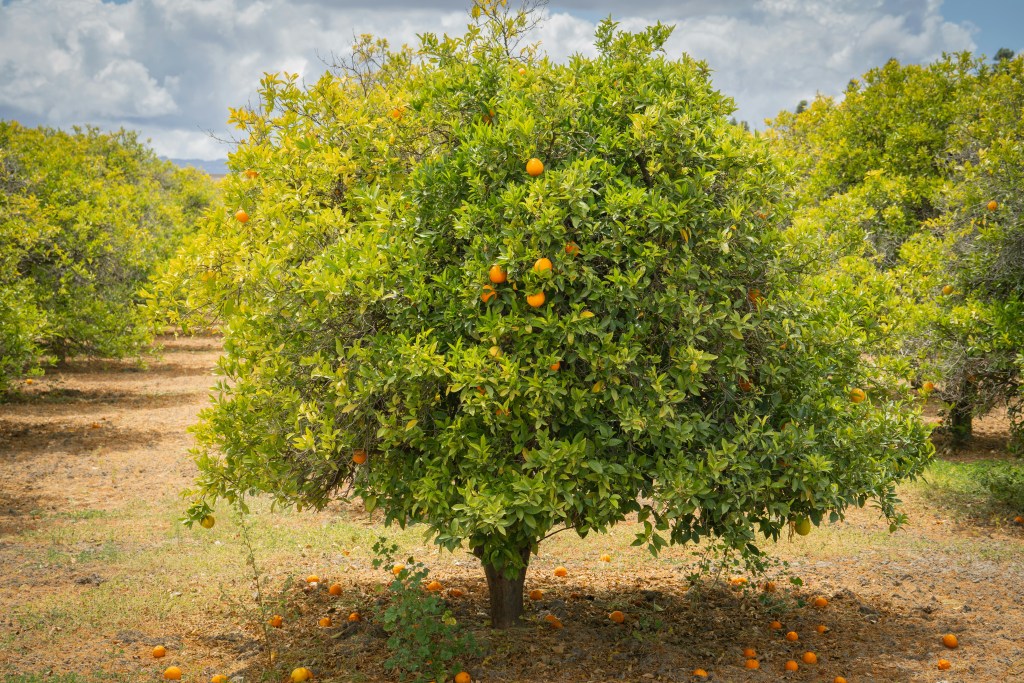
Orange trees are evergreen trees with a naturally rounded and attractive growth habit. Depending on the variety and growing environment, they typically reach between three and eight metres in height, although container-grown specimens generally remain more compact. Their dense canopy provides year-round interest and creates an appealing architectural presence within the garden.
The foliage consists of glossy, dark green leaves that remain on the tree throughout the year. New growth often emerges in lighter shades before deepening in colour as it matures. This evergreen character allows the tree to maintain its beauty even outside of the flowering and fruiting seasons.
One of the most captivating features of the orange tree is its blossom. In spring, clusters of small white flowers appear amongst the foliage. These blossoms are highly fragrant and often attract bees and other pollinating insects. Following successful pollination, small green fruits begin to develop. Over many months these gradually enlarge and change colour, eventually ripening to the familiar orange tones associated with the fruit.
The combination of glossy leaves, fragrant flowers, and colourful fruit often means that different stages of the tree’s life cycle can be observed simultaneously, creating continuous visual interest throughout much of the year.
Growing Conditions
Orange trees thrive in warm, sunny locations where they can receive at least six to eight hours of direct sunlight each day. Full sun is essential for strong flowering, healthy growth, and reliable fruit production. In cooler climates, selecting a sheltered position against a north or west-facing wall can help maximise warmth and protect the tree from cold winds.
Well-drained soil is critical for successful cultivation. Orange trees dislike waterlogged conditions and perform best in fertile soils enriched with organic matter. Slightly acidic to neutral soil conditions are generally preferred, although many varieties are adaptable provided drainage is adequate.
In regions with mild winters, orange trees can be grown successfully in the ground. In cooler climates, container cultivation is often preferred, allowing plants to be moved to a protected location during periods of frost. Large pots with excellent drainage provide flexibility while still allowing the tree to produce flowers and fruit.
Regular warmth throughout the growing season supports vigorous growth and helps fruit develop its characteristic sweetness. While mature trees can tolerate short periods of cooler weather, prolonged frost can damage foliage, flowers, and developing fruit.
Care & Maintenance
Orange trees are relatively straightforward to maintain once established, although they benefit from consistent care throughout the growing season. Young trees require regular watering while developing their root systems. Established trees are moderately drought tolerant but perform best when soil moisture is maintained during flowering and fruit development.
Feeding is particularly important for citrus trees. A specialised citrus fertiliser applied during spring and summer helps support healthy foliage, flowering, and fruit production. Nutrient deficiencies can occasionally appear as yellowing leaves, particularly when trees are grown in containers, making regular feeding an important part of ongoing maintenance.
Pruning requirements are generally minimal. Most pruning is limited to removing dead, damaged, or crossing branches and maintaining the desired shape of the tree. Excessive pruning can reduce flowering and fruiting, so a light approach is often best.
Container-grown specimens benefit from occasional repotting as they mature. Refreshing the growing medium and ensuring adequate drainage helps maintain long-term plant health. During colder months, protection from severe frost may be necessary, particularly in regions where winter temperatures regularly fall below freezing.
Seasonal Notes
The seasonal rhythm of an orange tree is one of its greatest attractions. Spring brings a flush of fragrant white blossoms that fill the garden with perfume and attract pollinating insects.
During summer, vigorous growth continues as small fruits begin to develop and expand. Autumn often sees fruit approaching maturity, while winter can provide the most rewarding display as ripe oranges contrast beautifully against the glossy green foliage.
In many climates, fruit remains on the tree for extended periods, allowing harvest over several weeks or even months. Because orange trees are evergreen, they continue to provide structure and colour throughout the year. Their steady presence offers continuity within the garden and serves as a reminder that growth and renewal occur across all seasons, even when change appears subtle.
Uses
Orange trees are valued for both their ornamental and practical qualities. In the garden they can be used as feature specimens, courtyard trees, patio plants, or productive additions to edible landscapes. Their attractive form and year-round foliage make them suitable for both formal and informal garden designs.
The fruit is enjoyed fresh, juiced, preserved, or used in cooking and baking. The aromatic zest is widely used in desserts, savoury dishes, and beverages, while the blossoms are prized for their fragrance and have traditionally been used in perfumes and floral waters. Beyond their practical applications, orange trees contribute to a garden’s atmosphere.
Their fragrance, colour, and seasonal progression encourage observation and appreciation of natural cycles. Watching blossoms transform into fruit over many months creates a deeper awareness of time, patience, and seasonal change. In this way, the orange tree offers not only nourishment for the body but also a meaningful connection to the rhythms and abundance of the natural world.