French Lavender
Lavandula dentata


Plant Overview
French Lavender (Lavandula dentata) is an evergreen aromatic shrub admired for its softly toothed foliage, long flowering season, and relaxed Mediterranean character. Native to the western Mediterranean, including Spain, Portugal, and parts of North Africa, it naturally inhabits dry hillsides, rocky slopes, and coastal landscapes where abundant sunshine, freely draining soils, and warm summers shape its growth.
Unlike many lavenders that flower in a single spectacular flush, French Lavender is notable for its extended blooming period. In mild climates, flowers may appear from late spring through autumn and even into winter, providing colour and fragrance across much of the year. This remarkable flowering habit, combined with its attractive evergreen foliage, has made it a favourite for gardens seeking long-lasting seasonal interest.
The plant possesses a softer appearance than many of its relatives. Its finely serrated leaves create gentle texture throughout the year, while upright flower spikes crowned with small violet bracts sway lightly above the foliage. Together they produce an informal elegance that feels equally at home in Mediterranean gardens, cottage gardens, and contemporary landscapes.
French Lavender has a naturally easy-going presence. It flowers generously without becoming overly formal, responding to sunlight and open air with quiet abundance. Whether planted beside a path, filling a container, or growing among herbs and flowering perennials, it brings both fragrance and a sense of warmth to the garden.
Appearance & Growth Habit
French Lavender is a compact evergreen shrub that typically grows between 60 centimetres and 1 metre in both height and spread. It naturally develops into a rounded, bushy plant with numerous branching stems arising from a gradually woody base.
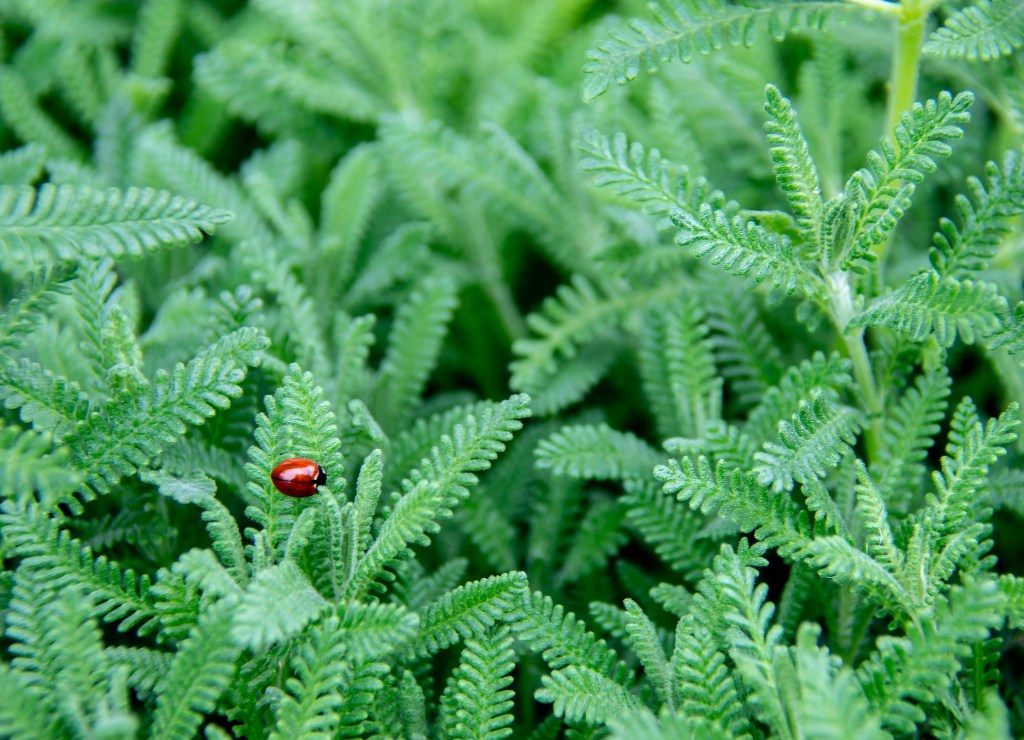
The foliage immediately distinguishes the species. Narrow grey-green leaves are softly covered with fine hairs and edged with delicate rounded teeth, giving rise to the botanical name dentata, meaning “toothed.” Their silvery colouring reflects sunlight beautifully while reducing moisture loss during hot weather.
Flower spikes emerge well above the foliage throughout the growing season. Each spike carries numerous tiny violet flowers topped by small purple bracts that provide additional colour and movement. Although less dramatic than those of Lavandula stoechas, the flowers are produced over a much longer period, allowing the shrub to remain colourful for many months.
As the plant matures, its woody framework becomes increasingly sculptural while fresh new shoots continually soften the overall form.
Growing Conditions
French Lavender thrives in full sun, where it receives at least six hours of direct sunlight each day. Bright, open positions encourage compact growth, abundant flowering, and the development of the aromatic oils that give the foliage its characteristic fragrance.
Excellent drainage is essential. The plant grows naturally in sandy, gravelly, and rocky soils where water drains rapidly after rainfall. Heavy clay soils should be improved before planting or avoided where winter wetness is prolonged.
Moderately fertile soils generally produce the healthiest plants. Excessively rich soils encourage vigorous leafy growth but often reduce flowering and produce a looser habit.
French Lavender performs particularly well in Mediterranean-style gardens, coastal landscapes, raised beds, gravel gardens, herb gardens, and containers where drainage can be carefully managed.
Care & Maintenance
French Lavender is a dependable shrub that requires relatively little maintenance once established. Young plants benefit from regular watering during their first growing season, while mature specimens become increasingly drought tolerant and usually require supplementary irrigation only during extended dry periods.
Light pruning after each major flush of flowers encourages repeat blooming and helps maintain the plant’s naturally rounded shape. Care should be taken to avoid cutting deeply into old woody stems, where regrowth may be limited.
A light application of compost during spring generally provides all the nutrients required for healthy growth. High-nitrogen fertilisers should be avoided, as they often encourage excessive foliage at the expense of flowers.
Container-grown plants should be repotted periodically into fresh, free-draining growing media to maintain healthy root systems. Good airflow around the foliage also helps reduce humidity-related diseases, particularly in regions with higher rainfall.
With suitable growing conditions, French Lavender remains an attractive evergreen feature for many years.
Seasonal Notes
Spring brings fresh silvery growth as new shoots emerge from the woody framework. Flower spikes soon follow, signalling the beginning of another extended flowering season.
Summer is the period of greatest abundance. Bees, butterflies, and numerous other pollinating insects visit the nectar-rich flowers throughout warm, sunny days, filling the garden with quiet activity. The aromatic foliage releases its fragrance most readily as the air warms.
Autumn often sees flowering continue long after many other perennials have finished. In regions with mild winters, fresh blooms may continue appearing well into the cooler months, extending the seasonal display.
Winter rarely leaves the shrub bare. The evergreen foliage continues to provide colour and structure, while the woody stems quietly prepare for another year of growth as daylight gradually begins to increase.
Uses
French Lavender is an exceptionally versatile shrub for Mediterranean gardens, herb gardens, coastal landscapes, gravel gardens, and informal borders. Its long flowering season provides continuous colour, while the aromatic foliage contributes year-round texture and fragrance to the landscape.
The nectar-rich flowers are highly attractive to bees, butterflies, and many other beneficial insects, making French Lavender an excellent addition to pollinator-friendly gardens. It also combines beautifully with rosemary, thyme, salvias, ornamental grasses, and drought-tolerant perennials that share its preference for sunny, free-draining conditions.
Fresh and dried stems are valued for floral arrangements, while the fragrant foliage lends itself to sachets, potpourri, and other decorative uses. The plant also performs exceptionally well in containers, allowing its fragrance to be enjoyed on patios, balconies, and terraces.
French Lavender teaches us that abundance is not always expressed through a single spectacular moment. Instead, it offers flowers steadily across the seasons, each one quietly replacing the last. It asks for little more than sunlight, open skies, and well-drained soil, yet rewards that simple partnership with months of colour, fragrance, and the gentle presence of a Mediterranean landscape brought a little closer to home.