By Cameron Graves

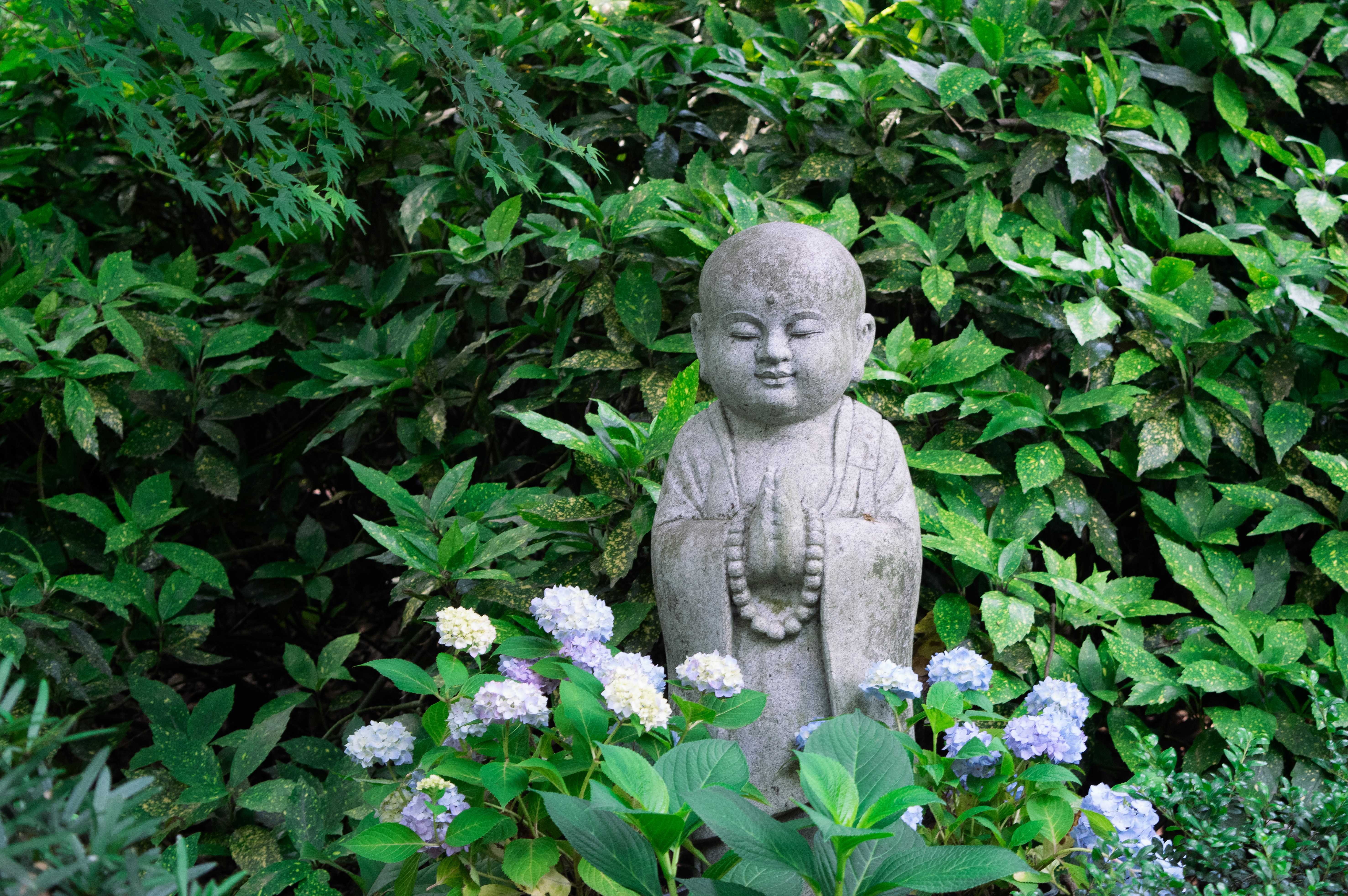
Credit: Photo by kuangkuang xia on Unsplash
How thoughtful planting can transform a garden into a place of quiet, restoration and everyday wellbeing.
A garden is experienced through far more than colour and flowers.
Long before we notice the name of a particular plant, we respond to the atmosphere it creates. We sense whether a space feels peaceful or busy, open or enclosed, inviting or overwhelming.
This response often happens instinctively.
A gently curving path encourages us to slow our pace. Soft grasses moving in the breeze bring a sense of movement without urgency. Repeated groups of planting create rhythm and familiarity, while a shaded seat beneath a tree invites us to pause.
The plants themselves certainly matter, but equally important is how they are arranged.
Planting design has the ability to shape not only the appearance of a garden but also the way we feel within it.
A thoughtfully designed planting scheme can encourage quiet reflection, support a sense of restoration and help transform even a small outdoor space into somewhere we genuinely enjoy spending time.
Creating calm through planting design is not about following strict rules or recreating a particular style. It is about understanding how plants, colour, texture, light and space work together to create an atmosphere that feels welcoming and restorative.
Looking Beyond Individual Plants
Many gardeners naturally focus on choosing individual plants.
We select favourite flowers, shrubs or trees because they remind us of another garden, attract wildlife or simply appeal to us.
While these choices are important, calm often comes from the relationship between plants rather than from any single specimen.
A garden filled with beautiful plants can still feel busy if every plant competes equally for attention.
In contrast, a simple combination of carefully repeated species may feel balanced and restful.
Instead of asking:
Which plants should I grow?
It can be helpful to ask:
How do I want this garden to feel?
The answer may guide every planting decision that follows.
Begin With the Feeling
Every garden has the opportunity to create a particular atmosphere.
Some spaces feel vibrant and energetic.
Others feel productive and practical.
Some invite exploration.
Others encourage stillness.
For a calming garden, the goal is not to eliminate interest but to reduce unnecessary visual noise.
This often begins by limiting the number of different planting ideas competing within the same space.
Repetition creates familiarity.
Consistency creates harmony.
Thoughtful simplicity creates calm.
When the eye is allowed to move comfortably through a planting scheme, the mind often follows.
The Quiet Power of Repetition
One of the simplest ways to create a peaceful planting design is through repetition.
Rather than planting one of everything, consider grouping the same plant in several places throughout the garden.
Repeated drifts of lavender.
Several clumps of ornamental grasses.
Groups of ferns beneath trees.
A recurring ribbon of catmint along a path.
These repeated elements create visual rhythm.
The garden becomes easier to understand because familiar shapes and colours appear again and again.
Repetition also allows individual plants to have greater impact.
Instead of competing with dozens of different neighbours, they become part of a larger composition.
Nature often works in this way.
Woodlands repeat ferns beneath trees.
Meadows repeat grasses and wildflowers.
Coastal landscapes repeat similar species adapted to local conditions.
Gardens that borrow this principle often feel more relaxed and natural.
Choosing a Softer Colour Palette
Colour influences atmosphere.
Bright combinations of red, orange and yellow can create energy and excitement.
This may be exactly what is desired in certain parts of the garden.
However, spaces intended for quiet reflection often benefit from softer combinations.
Whites.
Soft blues.
Gentle purples.
Muted pinks.
Silvery foliage.
Fresh greens.
These colours blend naturally and reflect changing light beautifully throughout the day.
Rather than demanding attention, they encourage closer observation.
The garden begins to reveal itself gradually.
That does not mean brighter flowers should never be included.
A single vibrant colour used thoughtfully can become a beautiful focal point within an otherwise gentle planting scheme.
Balance is often more important than restriction.
Working With Texture
Flowers often receive most of our attention, yet texture contributes just as much to atmosphere.
Fine ornamental grasses moving gently in the breeze.
Soft mounds of herbs.
The broad leaves of hostas.
The delicate fronds of ferns.
The smooth bark of birch trees.
The rough texture of weathered timber.
These different textures create interest throughout the year, even when flowers are absent.
Movement is especially important.
Plants that respond gently to wind add life without creating visual busyness.
Watching grasses sway or listening to bamboo leaves rustle quietly can become calming experiences in themselves.
Texture encourages us to notice through both sight and sound.
Layering Creates Depth
Natural landscapes rarely consist of a single height.
Trees form the upper canopy.
Shrubs create the middle layer.
Perennials, grasses and groundcovers occupy the lower levels.
This layering creates depth and enclosure.
Gardens benefit from a similar approach.
Rather than placing plants in isolated rows, think about how different heights work together.
Tall plants create structure.
Medium-sized shrubs soften transitions.
Lower planting connects the composition to the ground.
Layered planting also provides shelter for wildlife while making gardens feel more immersive.
The eye naturally travels through the different levels.
Instead of looking at the garden, we begin feeling surrounded by it.
Designing for Every Season
A calm garden should remain inviting throughout the year.
Flowers may dominate our attention in summer, but they represent only one season.
Evergreen shrubs provide winter structure.
Ornamental grasses catch frost and low winter light.
Seed heads offer texture long after flowering has finished.
Trees contribute changing foliage, bark and seasonal silhouettes.
When designing planting, ask not only:
What will this look like in summer?
but also:
What will this space offer in autumn? Winter? Spring?
Gardens that change gracefully with the seasons encourage us to return throughout the year.
Creating Places to Pause
Planting design is not only about the plants.
It is also about the spaces between them.
A winding path.
A small bench.
A clearing beneath a tree.
A seat overlooking a favourite border.
These spaces become invitations.
Without somewhere to stop, gardens can easily become places we simply walk through.
A place to sit changes our relationship with the planting.
We begin noticing details.
The movement of insects.
The changing light.
The scent of herbs.
The sounds carried by the wind.
Planting should frame these experiences rather than hide them.
Planting for the Senses
Calm is experienced through all the senses.
Fragrant lavender beside a path.
Rosemary releasing its scent when brushed.
The sound of grasses moving.
Soft leaves inviting touch.
The changing colours of foliage through the seasons.
A calming planting design considers these sensory experiences together.
Sometimes a single fragrant shrub near a doorway contributes more to wellbeing than a large collection of brightly coloured flowers.
Small moments often leave the deepest impressions.
Leaving Space
One of the most overlooked principles of planting design is restraint.
Not every space needs to be filled immediately.
Young gardens require time.
Plants need room to mature.
Open areas allow individual specimens to be appreciated.
Leaving space creates anticipation.
It also reflects confidence.
Nature is patient.
Gardens develop gradually.
Allowing plants to grow into their intended places often produces more harmonious results than overcrowding from the beginning.
Supporting Biodiversity
A calming garden is also a living garden.
Flowering herbs attract bees.
Native shrubs provide shelter.
Trees support birds.
Seed heads feed wildlife.
By selecting a diversity of plants with overlapping flowering periods, we create spaces that feel alive rather than static.
The gentle sound of bees visiting lavender or birds moving through shrubs contributes just as much to atmosphere as the planting itself.
Nature becomes part of the design.
Start Small
Creating calm does not require redesigning the entire garden.
Begin with one border.
One seating area.
One container.
One quiet corner.
Observe how it feels.
Notice which plants encourage you to pause.
Notice where you naturally spend time.
Notice which combinations bring a sense of balance.
The garden will gradually reveal what suits both the space and the way you enjoy living within it.
A Garden That Feels Like Home
Perhaps the greatest achievement of thoughtful planting design is not producing a beautiful photograph.
It is creating a place where people feel comfortable enough to linger.
Where conversation slows.
Where birds become more noticeable than traffic.
Where changing light becomes part of the day’s rhythm.
Where every season offers something worth returning for.
Calm does not come from perfection.
It grows through familiarity.
Through repeated planting.
Gentle colours.
Seasonal change.
Natural movement.
And the quiet confidence that a garden does not need to impress everyone.
It only needs to become a place where you feel at ease.
When we begin designing with atmosphere as carefully as we design with plants, our gardens become more than collections of species.
They become places that restore our attention, encourage reflection and invite us to reconnect with the natural world.
Sometimes the most meaningful planting design is not the one that receives the greatest admiration.
It is the one that quietly encourages us to stay a little longer, breathe a little more deeply and return again tomorrow.
About the author
Cameron Graves is a horticultural scientist, writer and founder of Garden Lovers Collective. Drawing on more than two decades of experience in horticulture, he explores the relationship between plants, gardens, nature and human wellbeing.


Leave a Reply