SNOW IN SUMMER
Cerastium tomentosum
Plant Overview
Snow-in-Summer (Cerastium tomentosum) is a low-growing perennial groundcover celebrated for its silvery foliage and dazzling display of white flowers. Native to mountainous regions of southern Europe, particularly the Alps and parts of Italy, it has become a popular garden plant wherever gardeners seek to soften edges, brighten dry spaces, or create flowing carpets of colour.
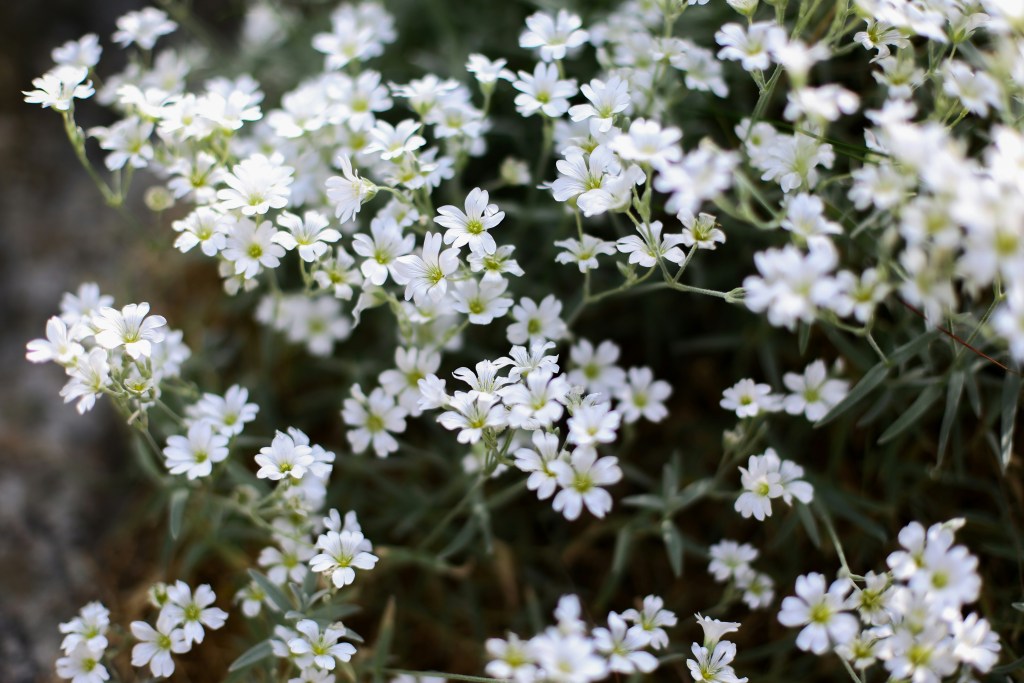
The common name perfectly captures the plant’s character. During late spring and early summer, masses of small white flowers can cover the foliage so completely that the plant appears dusted with fresh snow. This striking display creates a dramatic contrast against the silver-grey leaves and often transforms rockeries, borders, and retaining walls into luminous focal points.
Yet Snow-in-Summer offers more than a brief flowering spectacle. Throughout the year, its soft silver foliage provides texture, colour, and structure within the garden. The leaves reflect sunlight, brighten darker planting areas, and complement a wide range of other plants. Even when not in flower, the plant contributes a calming presence that helps unify planting schemes.
Snow-in-Summer reminds us that beauty can emerge from simplicity. Its low-growing habit, modest flowers, and understated foliage combine to create something far greater than the sum of its individual parts. It is a plant that rewards observation and demonstrates how texture, colour, and seasonal timing can work together to create memorable garden experiences.
Appearance & Growth Habit
Snow-in-Summer forms a spreading mat of densely packed foliage that hugs the ground and gradually expands over time. Mature plants typically reach between 15 and 30 centimetres in height when flowering, while spreading up to 60 centimetres or more across suitable sites.
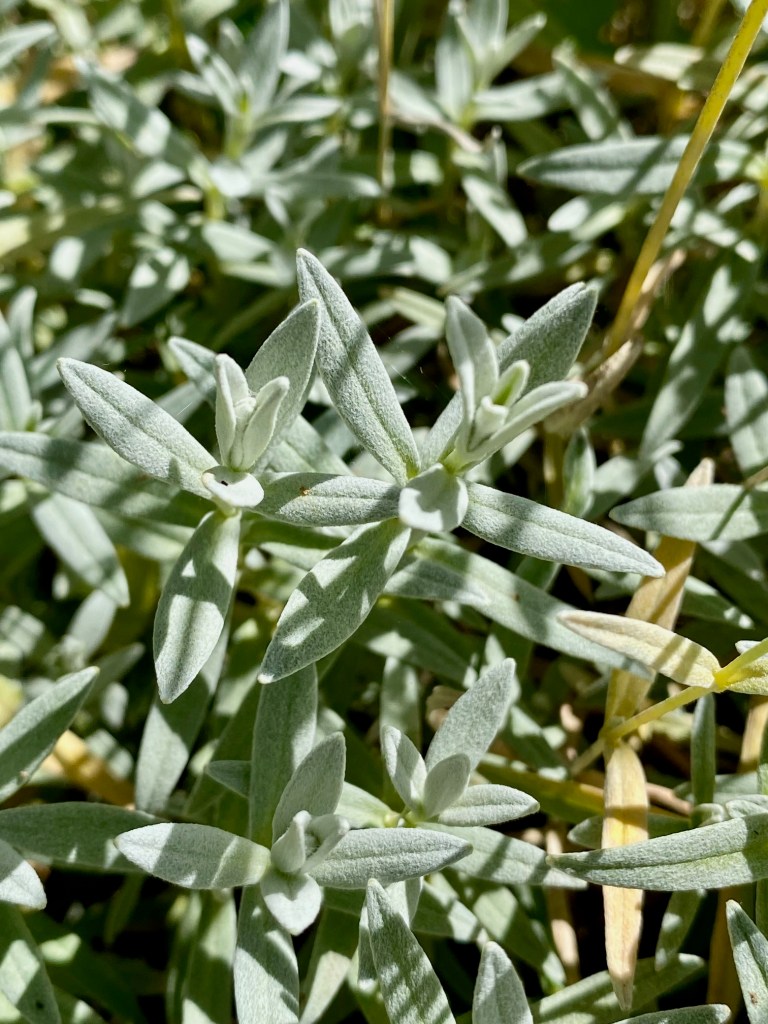
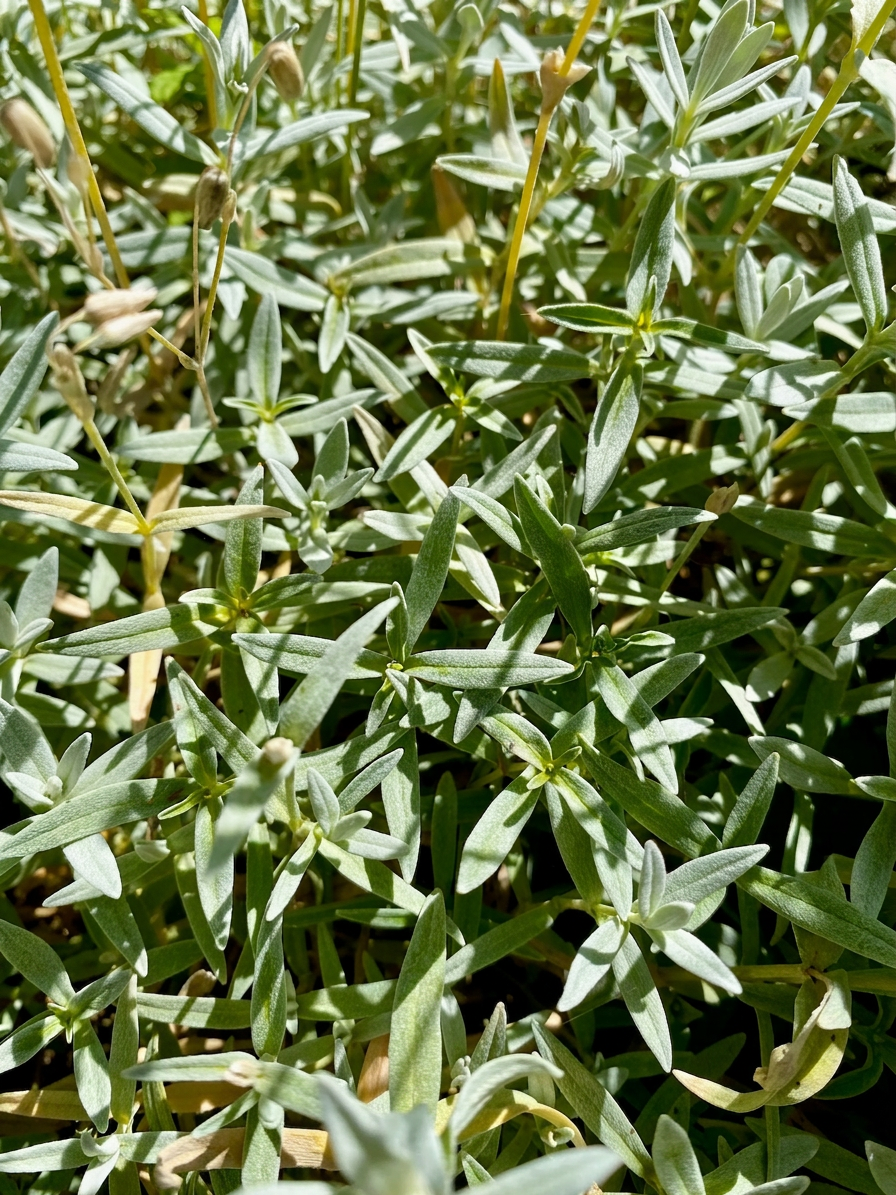
The foliage is one of the plant’s defining characteristics. Small, narrow leaves are covered with fine hairs that give them a distinctive silver-grey appearance. This silvery colouring reflects sunlight and helps the plant tolerate the bright, exposed conditions found in its native mountain habitats.
In late spring and early summer, upright flowering stems rise above the foliage carrying abundant clusters of star-shaped white flowers. Each flower consists of five petals that are deeply divided, creating the impression of ten delicate segments. Individually, the flowers are relatively small, but their sheer abundance creates a spectacular visual effect.
The combination of silver foliage and white flowers produces a cooling, luminous quality within the landscape. This effect is particularly striking when the plant cascades over stone walls, spills from raised beds, or spreads through gravel gardens.
Its overall habit is informal and flowing, allowing it to soften hard edges and create natural transitions between different garden elements.
Growing Conditions
Snow-in-Summer thrives in conditions that mimic its native alpine environment. It performs best in full sun, where its silver foliage develops the strongest colour and flowering is most abundant.
The plant requires well-drained soil and is particularly well suited to sandy, gravelly, or rocky sites. Good drainage is essential, as prolonged wet conditions can lead to root problems and reduce the longevity of the plant. In heavy clay soils, improving drainage before planting is often beneficial.
Once established, Snow-in-Summer demonstrates excellent drought tolerance. Its silver foliage helps conserve moisture and reflects excess sunlight, allowing it to perform successfully in dry locations where many other perennials struggle.
It is particularly well adapted to exposed positions, coastal gardens, rockeries, and slopes. In fact, overly rich or excessively moist soils can encourage lush growth at the expense of flowering and may reduce the plant’s overall performance.
Care & Maintenance
Snow-in-Summer is generally considered a low-maintenance perennial and is especially valuable for gardeners seeking reliable groundcover with minimal intervention.
Watering is most important during establishment. Once roots have developed, the plant typically requires little supplemental irrigation except during prolonged periods of extreme drought. Excessive watering should be avoided, particularly in poorly drained soils.
Fertility requirements are modest. Rich soils can encourage excessive foliage growth and reduce flowering performance. In many cases, no additional fertiliser is required once the plant is established.
Following flowering, lightly trimming or shearing the plant can help maintain a neat appearance and encourage fresh foliage growth. This simple maintenance task often rejuvenates the plant and prevents it from becoming untidy.
Over time, older clumps may benefit from division or selective thinning if growth becomes congested. Fortunately, Snow-in-Summer establishes readily and is often easy to propagate through division.
The plant is generally free from significant pest and disease problems when grown in suitable conditions with excellent drainage and adequate sunlight.
Seasonal Notes
The seasonal progression of Snow-in-Summer is subtle yet rewarding. Spring begins with the emergence of fresh silver growth that brightens the garden after winter.
Late spring and early summer bring the plant’s most celebrated display. Masses of white flowers appear above the silver foliage, creating the appearance of a blanket of snow spread across the landscape. This flowering period often lasts several weeks and can dramatically alter the character of a planting area.
During summer, once flowering has finished, the silver foliage remains attractive and continues to provide contrast and texture. The plant’s drought tolerance becomes particularly valuable during warm weather.
Autumn and winter reveal the enduring qualities of the foliage. In milder climates, the silver leaves often remain present throughout the year, maintaining visual interest even when many other herbaceous plants have disappeared from view.
These seasonal transitions demonstrate that Snow-in-Summer offers far more than a single flowering event. Its value lies equally in its foliage and its ability to provide year-round texture.
Uses
Snow-in-Summer is particularly effective as a groundcover in sunny locations where its spreading habit can be fully appreciated. It excels in rock gardens, gravel gardens, alpine plantings, retaining walls, and dry slopes where many other plants struggle to establish.
The plant is often used to soften the edges of pathways, stonework, and garden structures. When allowed to spill over walls or raised beds, it creates a natural, cascading effect that enhances the sense of movement within the landscape.
Its silver foliage pairs beautifully with lavender, salvia, ornamental grasses, and other drought-tolerant perennials. The cool tones also provide a valuable contrast to plants with darker foliage or vibrant flower colours.
From a wellbeing perspective, Snow-in-Summer contributes a sense of calm and brightness. The silver foliage reflects light in subtle ways, while the mass flowering display creates moments of seasonal wonder that encourage people to pause and appreciate the garden’s changing rhythms.