Rosemary
Salvia rosmarinus
(formerly known as Rosemarinus officinalis)

Plant Overview
Rosemary (Salvia rosmarinus), formerly known as Rosmarinus officinalis, is one of the world’s most treasured culinary and aromatic herbs. Native to the rocky coastlines and dry hillsides of the Mediterranean, it has been cultivated for thousands of years, valued not only for its distinctive fragrance and flavour but also for its beauty, resilience, and enduring place in gardens across many cultures.
Its name is often translated as “dew of the sea,” reflecting the wild populations that flourish along sunlit coastal landscapes where dry soils, fresh air, and long summers shape its character. These origins explain much of what makes rosemary such a dependable garden plant. It thrives where many others struggle, asking for sunlight, good drainage, and little else.
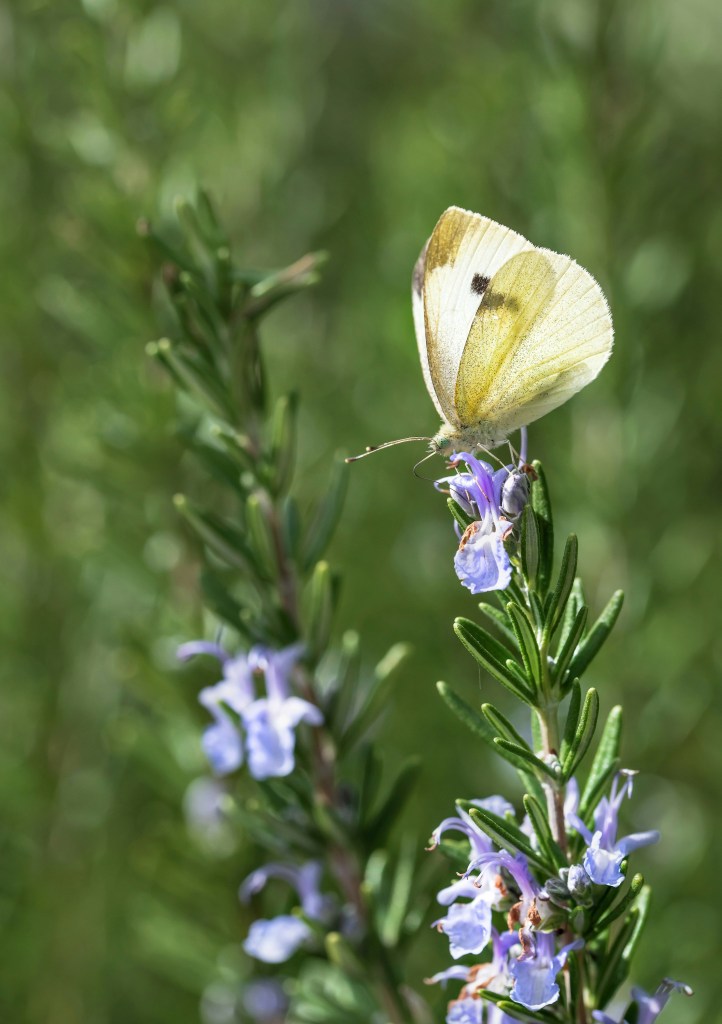
Throughout the year, rosemary provides structure as well as fragrance. Its evergreen foliage remains attractive in every season, while clusters of delicate blue, violet, pink, or white flowers appear from late winter into spring and often again at other times of the year in mild climates. These flowers attract bees and other pollinating insects, bringing movement and life to the garden even when relatively few plants are in bloom.
There is a quiet constancy about rosemary. It grows steadily rather than quickly, becoming more characterful with age as its stems gradually develop into a small, woody shrub. Whether growing beside a kitchen door, lining a pathway, or thriving in a sunlit container, it quietly weaves itself into the rhythm of everyday gardening.
Appearance & Growth Habit
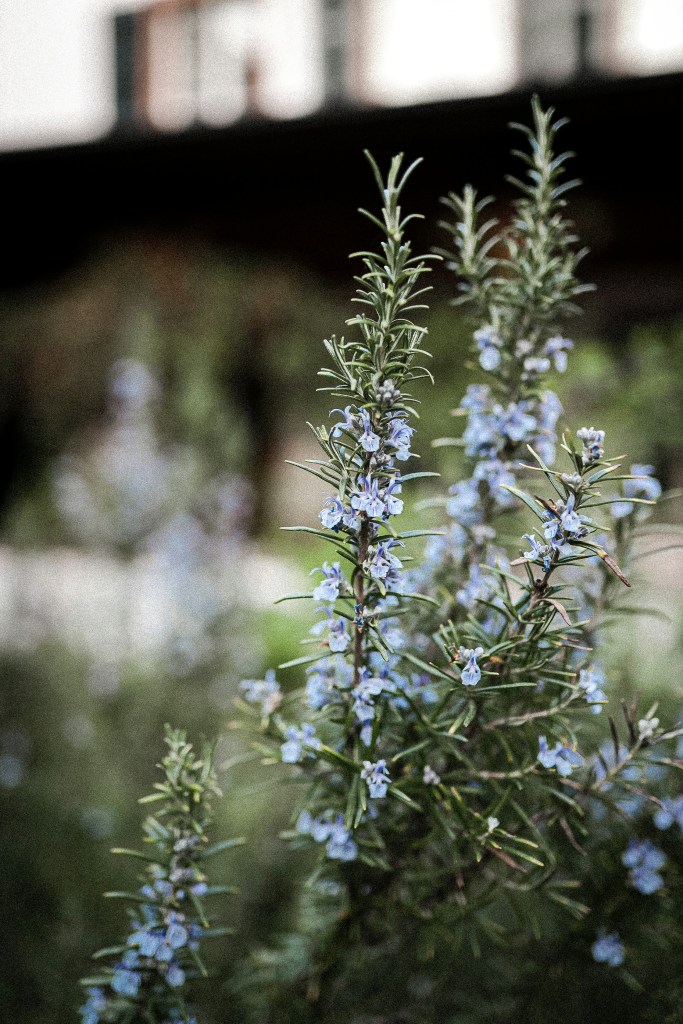
Rosemary is an evergreen woody shrub that typically grows between 1 and 2 metres in height and spread, although compact and prostrate varieties remain considerably smaller. Its naturally dense branching habit allows it to develop into a rounded shrub while responding well to gentle pruning.
The narrow, needle-like leaves are deep green above with silvery undersides, their surfaces containing aromatic oils that release a distinctive fragrance when brushed or gently crushed. The foliage remains attractive throughout the year, providing reliable colour even during winter.
Flowers appear along the stems in clusters, usually in shades of pale blue to deep violet, though white and pink-flowering cultivars are also widely available. Individual flowers are small but richly supplied with nectar, making rosemary an important early food source for bees and other beneficial insects.
As the plant matures, its stems gradually become woody and develop an attractive, weathered appearance. Older specimens often possess a sculptural quality, shaped over many years by careful pruning, changing seasons, and the natural rhythm of growth.
Growing Conditions
Rosemary thrives in full sun and performs best where it receives at least six hours of direct sunlight each day. Bright, open positions encourage compact growth, abundant flowering, and the highest concentration of aromatic oils within the foliage.
Excellent drainage is essential. In its native Mediterranean habitat, rosemary grows in rocky, sandy, and often relatively poor soils where excess water drains away quickly. Heavy clay soils should be improved with coarse grit or organic matter to reduce the risk of waterlogging.
Once established, rosemary is highly tolerant of drought, making it particularly valuable in water-wise gardens. Regular watering is beneficial during establishment, but mature plants generally require little supplementary irrigation except during prolonged dry periods.
The plant is well suited to herb gardens, cottage gardens, Mediterranean-style landscapes, coastal plantings, raised beds, and containers. Good air circulation further supports healthy growth, particularly in regions with higher rainfall.
Care & Maintenance
Rosemary is one of the easiest herbs to maintain once established. Young plants benefit from regular watering until a strong root system develops, after which watering should become less frequent, allowing the soil to dry between applications.
Light pruning after flowering encourages bushier growth while helping maintain a balanced shape. Older woody stems should generally not be cut back severely, as new shoots may not always regenerate from mature wood.
A light application of compost around the base of the plant each spring is usually sufficient to maintain healthy growth. Excessive fertiliser is rarely necessary and may reduce the intensity of the plant’s fragrance by encouraging overly soft growth.
Container-grown plants require slightly more frequent watering than those growing in the ground but should never be allowed to remain in saturated compost. Terracotta pots are particularly suitable, allowing excess moisture to evaporate naturally.
Rosemary is generally resistant to pests and diseases. Most problems arise from poor drainage rather than insect attack, making careful site selection the most important aspect of long-term care.
Seasonal Notes
Rosemary provides interest throughout every season. In late winter and early spring, clusters of delicate flowers appear among the evergreen foliage, bringing welcome colour while attracting some of the year’s earliest pollinating insects.
Spring continues with fresh shoots of aromatic growth, ideal for harvesting in the kitchen. The combination of new foliage and flowering creates one of the plant’s most attractive displays.
Summer highlights rosemary’s remarkable tolerance of heat and dry conditions. While many plants require regular watering, rosemary continues to flourish, filling the air with fragrance as warm days release its essential oils.
Autumn and winter reveal the plant’s enduring structure. Evergreen foliage continues to provide colour and texture while mature stems add character to the garden. Even on cool mornings, brushing against the leaves releases the familiar fragrance that has accompanied gardeners for centuries.
Uses
Rosemary is one of the most versatile herbs grown in home gardens. Fresh or dried leaves are widely used to flavour roasted vegetables, potatoes, breads, lamb, poultry, seafood, soups, stews, and infused oils. Its robust flavour remains distinctive even after cooking, making it one of the defining herbs of Mediterranean cuisine.
Beyond the kitchen, rosemary serves as an outstanding ornamental shrub for hedging, borders, pathways, rockeries, coastal gardens, and containers. Compact varieties create attractive low hedges, while trailing forms soften the edges of retaining walls and raised planters.
Its nectar-rich flowers provide an important food source for bees and other pollinating insects, particularly during the cooler months when floral resources may be limited. As a result, rosemary contributes not only to productive gardens but also to the wider ecological health of the landscape.
Harvesting rosemary is often as much about fragrance as flavour. A single sprig carried indoors fills the air with its unmistakable scent, recalling warm days and sunlit gardens even in the depths of winter. Over the years, a well-established rosemary shrub becomes more than simply an herb. It quietly marks the passing of the seasons, offering flowers for pollinators, leaves for the kitchen, and evergreen presence that remains constant while so much else in the garden changes.
