By Cameron Graves
 Image Credit: Photo by Serghey Savchuk on Unsplash
Gardens have the ability to engage us far beyond visual beauty alone.
The movement of grasses in the wind, the scent of flowering herbs warmed by afternoon sun, the texture of foliage beneath our hands, or the sound of rain falling through layered planting can all shape how a garden feels emotionally and physically. A sensory garden is designed to deepen this connection with nature by engaging the senses in gentle, immersive, and restorative ways.
While sensory gardens are often associated with therapeutic or accessible landscapes, the principles of sensory planting can enhance gardens of every size and style. Whether creating a small courtyard retreat, a balcony filled with fragrant herbs, or a larger layered landscape, sensory gardening encourages people to slow down, observe more deeply, and experience the atmosphere of outdoor spaces in a more mindful and meaningful way.
At its heart, a sensory garden is not about perfection or complexity. It is about creating spaces that feel calming, immersive, emotionally grounding, and alive with seasonal experience.
What Is a Sensory Garden?
A sensory garden is designed to engage one or more of the senses through thoughtful planting, texture, movement, fragrance, sound, and atmosphere. Rather than focusing solely on visual impact, sensory gardens encourage interaction and emotional connection with the surrounding environment.
The senses most commonly explored within sensory gardens include:
- sight
- scent
- touch
- sound
- movement
- occasionally taste through edible planting
Sensory gardens often feel softer and more immersive than highly formal landscapes because they prioritise experience and atmosphere over rigid structure. These spaces invite people to pause, observe, and reconnect with the natural rhythms of the garden.
Importantly, sensory gardens do not need to follow a specific style. They can be naturalistic, cottage-inspired, contemporary, Mediterranean, woodland, or even minimalist in design. The unifying element is the intention behind the planting and the emotional atmosphere created within the space.
The Emotional Benefits of Sensory Gardens
Sensory gardens are often deeply calming because they encourage presence and gentle observation. In modern life, attention is constantly pulled toward screens, noise, and overstimulation. Gardens that engage the senses in softer and slower ways can help create moments of quietness and emotional restoration.
Fragrance, texture, birdsong, filtered light, and natural movement all help shape how outdoor spaces are emotionally experienced. These subtle sensory layers encourage mindfulness by drawing attention back into the present moment.
Many people find sensory gardens restorative because they:
- encourage slower observation
- create calming routines
- support mindfulness and reflection
- foster connection with seasonal change
- reduce visual and sensory overwhelm
- provide gentle immersion in nature
Even small sensory details such as brushing hands through herbs, listening to ornamental grasses rustle in the wind, or observing bees visiting flowers can become grounding everyday experiences.
Using Fragrance Within the Garden

Image Credit: Photo by Margo Evardson on Unsplash
Scent is often one of the most emotionally powerful aspects of sensory gardening. Certain fragrances can immediately evoke feelings of calmness, comfort, nostalgia, or seasonal memory.
Fragrant plants work beautifully when positioned near:
- pathways
- seating areas
- entrances
- windows
- outdoor dining spaces
This allows their scent to be experienced naturally while moving through the garden.
Some popular fragrant plants for sensory gardens include:
Chamomile
Chamomile adds delicate texture and gentle fragrance while contributing to calming cottage-style planting schemes.
Jasmine
Jasmine creates beautiful evening fragrance and works particularly well near outdoor seating or sheltered courtyards
Lavender
Lavender is widely loved for its calming fragrance, pollinator-friendly flowers, and soft silvery foliage. It works beautifully within Mediterranean gardens, sensory borders, and restorative outdoor spaces.
Lilac
Lilac is a beautifully fragrant flowering shrub cherished for its richly scented spring blooms, which fill gardens with a soft, nostalgic perfume and attract pollinators throughout the season.
Mint & Lemon Balm
These herbs provide refreshing scent and interactive sensory experience, particularly when brushed or handled.
Rosemary
Rosemary provides fragrance, evergreen structure, and edible use while also attracting pollinators when flowering.
Scented Roses
Many traditional rose varieties offer rich fragrance while contributing softness and seasonal beauty to the landscape.
Fragrance often becomes even more immersive during warmer weather, creating emotional atmosphere throughout the garden during spring and summer.
Texture and Touch in Sensory Planting
Texture plays a significant role within sensory garden design. Soft foliage, feathery grasses, textured leaves, and layered planting encourage tactile interaction and visual softness throughout outdoor spaces.
Contrasting textures help gardens feel richer and more immersive. Combining broad-leaved plants with delicate grasses, fine foliage, or velvety leaves creates visual and sensory depth within the landscape.
Some excellent textural plants include:
- Lamb’s Ear (Stachys byzantina) for soft velvety foliage
- Ornamental grasses for movement and softness
- Ferns for woodland texture
- Silver foliage plants for softness and light reflection
- Salvias for fine movement and pollinator activity
- Cosmos for airy seasonal texture
- Heuchera for layered foliage contrast
Texture also changes throughout the seasons, helping sensory gardens evolve naturally over time.
The Importance of Movement
Movement is one of the most overlooked elements in garden design, yet it contributes enormously to atmosphere and emotional experience. Gardens that move gently with the wind often feel softer, calmer, and more alive than rigidly static spaces.
Ornamental grasses are particularly valuable within sensory gardens because they:
- soften planting schemes
- create natural movement
- catch light beautifully
- provide seasonal texture
- create gentle sound in the wind
Plants such as:
- Miscanthus
- Pennisetum
- Stipa tenuissima
- Panicum
- Molinia
all add softness and flowing movement to the landscape.
Flowering perennials such as gaura, cosmos, salvias, and verbena bonariensis also contribute movement while attracting pollinators into the garden.
Movement encourages sensory immersion because it constantly changes how the garden is experienced throughout the day and across the seasons.
Sound Within the Garden
Sound adds another important sensory layer to outdoor spaces. Gardens filled with birdsong, rustling grasses, buzzing pollinators, or gently moving water often feel deeply restorative and calming.
Some ways to introduce sound into sensory gardens include:
Wildlife-Friendly Planting
Pollinator-friendly flowers, native planting, and layered habitats encourage birds, bees, butterflies, and beneficial insects.
Ornamental Grasses
Grasses create subtle sound when moving in the wind, adding atmosphere to quieter garden spaces.
Water Features
Even small water bowls or subtle fountains can introduce calming natural sound into outdoor environments.
Trees and Bamboo
Trees and bamboo leaves and stems moving through wind can create soft natural sound and seasonal atmosphere.
Sound often works most effectively when layered subtly within the landscape rather than dominating the space.
Creating Spaces to Pause
Sensory gardens are most meaningful when they encourage people to slow down and spend time within them. Seating areas, pathways, sheltered corners, and small garden retreats all help create opportunities for reflection and observation.
A simple bench positioned beneath a tree, surrounded by grasses, or near fragrant planting can transform the emotional experience of a garden. These quieter spaces allow people to notice:
- seasonal change
- wildlife activity
- fragrance
- movement
- shifting light throughout the day
Creating opportunities to pause within the garden is often just as important as the planting itself.
Sensory Gardens Through the Seasons
One of the most beautiful aspects of sensory gardening is how the experience evolves throughout the year. Seasonal change creates continual variation in texture, fragrance, movement, sound, and atmosphere.
Spring
Spring sensory gardens feel fresh and awakening. Flowering bulbs, blossom trees, emerging foliage, and pollinator activity all contribute to feelings of renewal.
Summer
Summer gardens often feel immersive and abundant, filled with fragrance, movement, flowering perennials, herbs, and long evenings outdoors.
Autumn
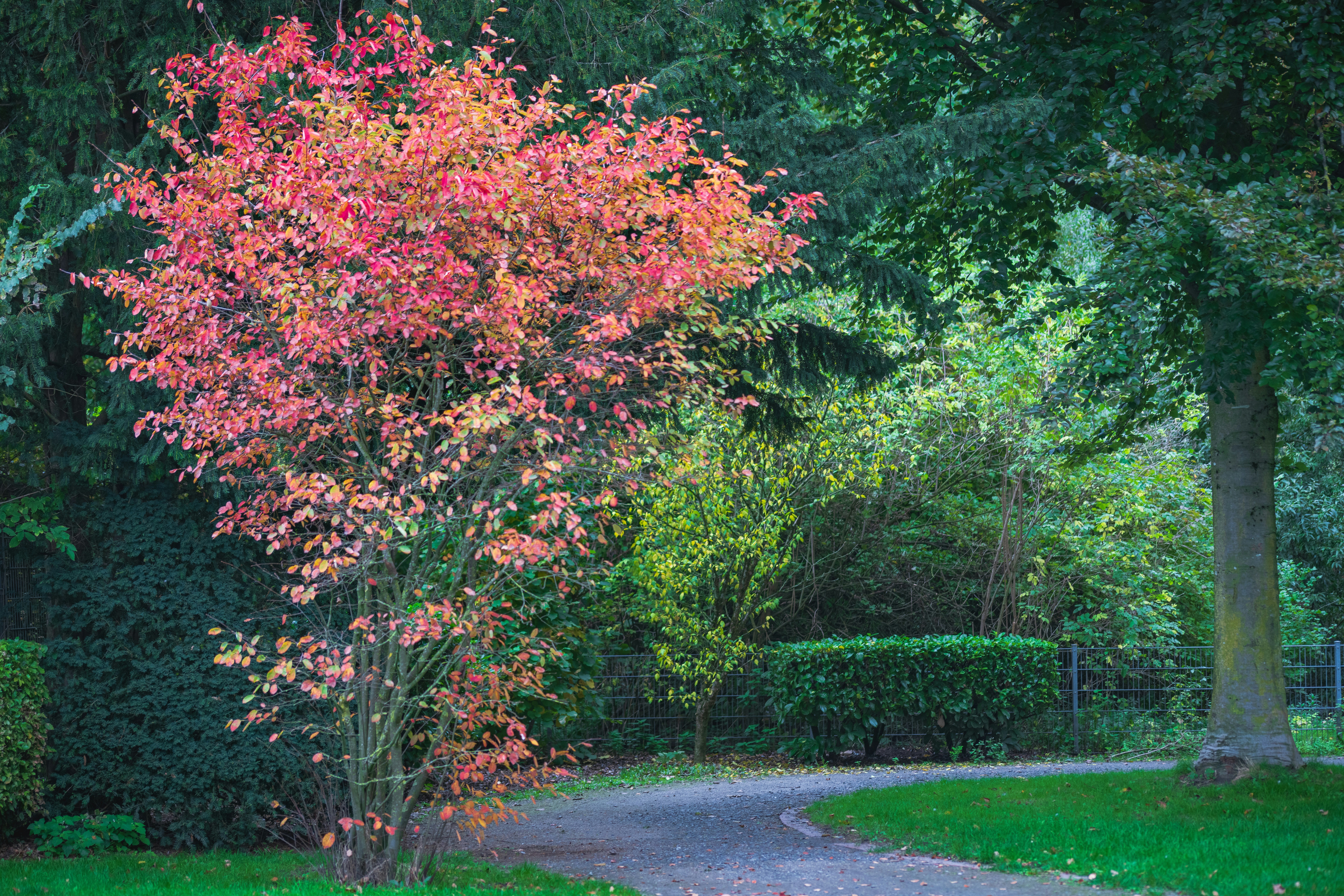
Autumn introduces warm light, ornamental seed heads, changing foliage, grasses, and softer seasonal textures.
Winter
Winter sensory gardens become quieter and more reflective, highlighting structure, bark, evergreen foliage, frost, and subtle atmospheric detail.
Designing for year-round sensory experience helps gardens remain emotionally engaging throughout every season.
Sensory Gardens in Small Spaces
Sensory gardening is not limited to large landscapes. Even very small outdoor spaces can become immersive and restorative when designed intentionally.
Balconies, courtyards, patios, and compact urban gardens can all benefit from:
- fragrant herbs
- layered containers
- textured planting
- soft lighting
- pollinator-friendly flowers
- comfortable seating
Small sensory spaces often feel especially intimate because the sensory experience becomes concentrated and immersive.
Container gardens filled with lavender, rosemary, mint, jasmine, ornamental grasses, and flowering annuals can create beautiful sensory experiences even within limited space.
Biodiversity and Sensory Connection
Sensory gardens often naturally support biodiversity because they rely heavily on layered planting, pollinator-friendly flowers, and ecological richness. Gardens filled with birds, bees, butterflies, and beneficial insects feel more emotionally alive and connected to nature.
Wildlife activity contributes enormously to sensory atmosphere through:
- movement
- sound
- seasonal rhythm
- ecological interaction
Creating spaces that support biodiversity not only benefits local ecosystems but also deepens emotional connection between people and the natural world.
Designing a Sensory Garden for Wellbeing
Gardens designed for wellbeing are often those that feel:
- immersive
- calming
- layered
- natural
- emotionally restorative
Rather than focusing solely on visual perfection, sensory gardens encourage slower interaction with outdoor spaces and a deeper appreciation for everyday seasonal beauty.
When designing a sensory garden, it can help to consider:
- how the space feels emotionally
- how people move through it
- where fragrance will be experienced
- how light changes throughout the day
- where movement occurs within planting
- what seasonal changes will be visible over time
These softer design considerations often create more meaningful and restorative outdoor environments.
Final Thoughts
Creating a sensory garden is ultimately about cultivating connection, connecting to nature, seasonal rhythm, atmosphere, and the quieter beauty found within outdoor spaces. Through fragrance, texture, movement, sound, and layered planting, sensory gardens encourage people to slow down and engage more deeply with the natural world.
Whether large or small, highly planted or beautifully simple, sensory gardens offer opportunities for mindfulness, restoration, and emotional wellbeing throughout the seasons. They remind us that gardens are not only spaces to look at, but places to experience, observe, and feel.
In many ways, sensory gardening gently shifts attention away from perfection and toward presence, encouraging a slower, softer, and more meaningful relationship with the landscapes we create around us.
About the author
Cameron Graves is a horticultural scientist, writer and founder of Garden Lovers Collective. Drawing on more than two decades of experience in horticulture, he explores the relationship between plants, gardens, nature and human wellbeing.


Leave a Reply