By Cameron Graves

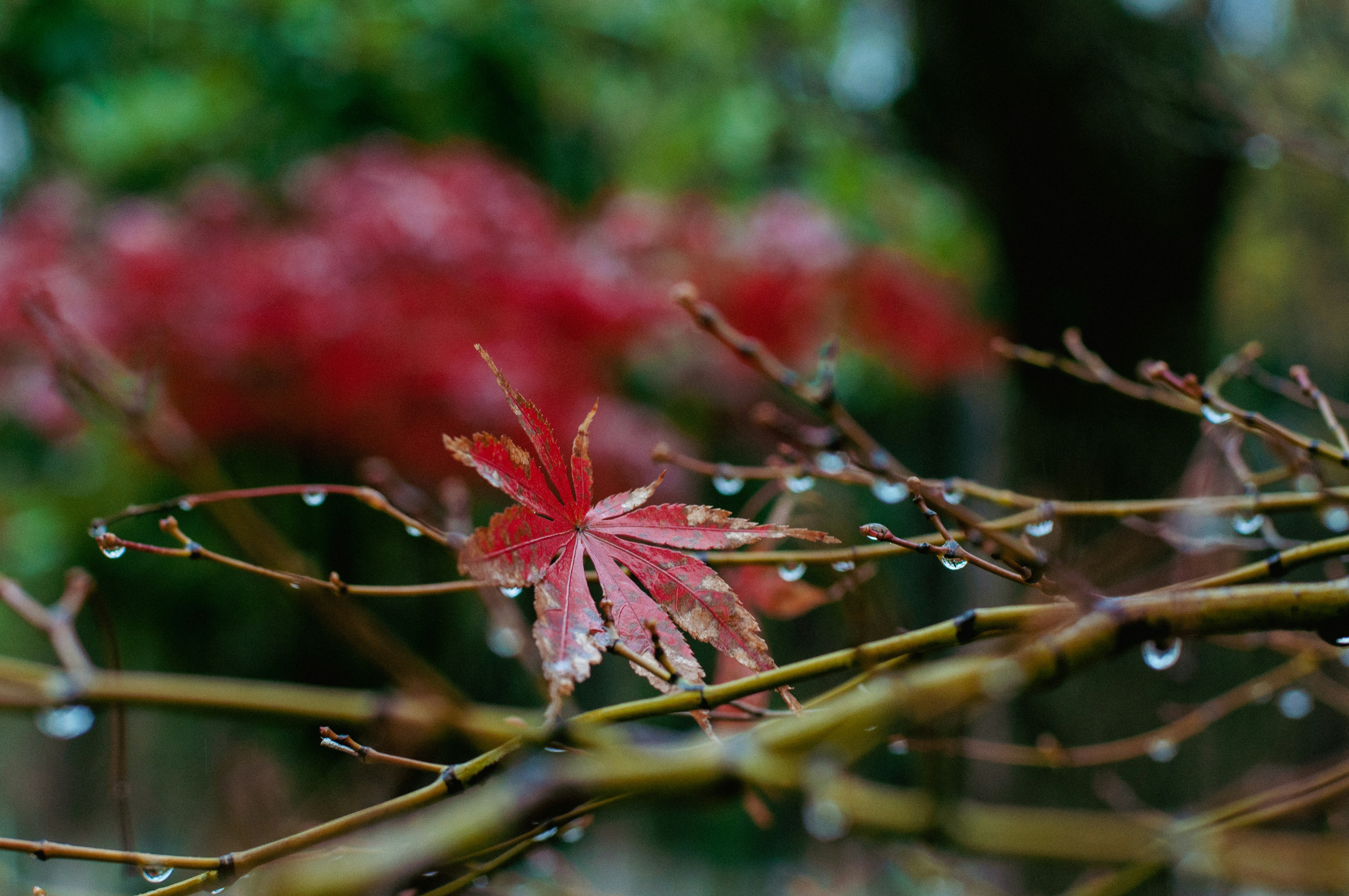
Image Credit: Photo by kuaileqie RE on Unsplash
After a long, dry summer, the return of rain feels like more than a change in the weather. It is a reminder of how quickly a garden can respond, recover and begin again.
There are times when rain is something we tolerate.
In Ireland, perhaps more than many places, it can feel so familiar that we barely notice it. It interrupts plans, keeps us indoors and turns garden paths wet beneath our feet. We talk about waiting for a dry spell rather than waiting for rain.
But after a long, hot and unusually dry summer, rain feels different.
This year, I found myself waiting for it.
The garden had become increasingly dry. Lawns that would normally remain green through an Irish summer had faded to straw. The soil hardened. Plants that would usually manage without much attention began showing signs of stress. Even established planting seemed to carry the effects of weeks with too little moisture.
There was a stillness to the garden during the driest periods, but it wasn’t quite the peaceful stillness we often seek.
It felt more like waiting.
Then the rain returned.
Not dramatically at first. Just the familiar sound of water falling onto leaves, roofs and dry ground.
Yet after so much dryness, it felt significant.
Standing at the window and watching it fall, I realised how much I had missed the rain.
And how quickly the garden seemed to welcome it back.
When the Familiar Becomes Precious
We often value things differently when they become scarce.
Rain is a good example.
Living in Ireland, rainfall usually forms part of the background of life. It shapes our landscapes, gardens and extraordinary range of greens. It is so ordinary that it can easily become something we complain about rather than appreciate.
A dry summer changes that relationship.
When rain does not arrive for long periods, you begin to notice what it normally does quietly and without recognition.
You notice how much water a garden needs.
You notice the difference between watering individual plants and rain soaking an entire landscape.
You notice the soil.
You notice the lawn.
You notice which plants cope and which struggle.
Most of all, you begin watching the sky differently.
A forecast showing rain no longer feels disappointing.
It feels promising.
There is something humbling about that reversal.
The weather has not changed its meaning. Our circumstances have changed the way we experience it.
The Smell of Rain on Dry Ground
There is a particular smell when rain reaches dry ground after a long period without it.
It seems to rise from the earth itself.
The air changes. Dust settles. Leaves darken. Stone and timber deepen in colour. Surfaces that have looked bleached by summer suddenly become rich again.
The sensory experience of the garden changes almost immediately.
Rain creates sound where there had been stillness.
Droplets gather on foliage.
Water runs along branches.
Leaves move under the weight of it.
The garden feels different before anything has even had time to grow.
Perhaps this is one reason the first meaningful rain after drought feels so restorative.
We do not have to wait weeks to see its effect.
The transformation begins while the rain is still falling.
Watching the Garden Drink
Watering a garden during dry weather can keep plants alive, but it rarely feels the same as rain.
With a hose or watering can, our attention is necessarily selective. We water pots, vegetables, newly planted shrubs and anything visibly struggling.
Rain makes no such distinction.
It falls across the entire garden.
Onto the lawn.
Through hedges.
Beneath trees.
Across borders.
Into cracks and corners we would never think to water.
It washes dust from leaves and begins softening the surface of dry soil.
There is something deeply satisfying about knowing that, for a while at least, the responsibility for watering has been taken out of our hands.
The garden is receiving what it needs directly from the weather.
For someone who gardens, that can bring an unexpected sense of relief.
You can almost imagine the garden drinking.
The Return of Green
One of the most remarkable changes has been the grass.
For much of the summer, areas that would normally have been green had become dry and brown. At first, the change was unsettling. Irish landscapes are so strongly associated with green that seeing grass lose its colour makes drought unusually visible.
Yet grass has its own strategies for surviving dry conditions.
What looks lifeless can simply be waiting.
And then the rain arrives.
Within a surprisingly short time, hints of green begin appearing through the brown.
A little more rain falls.
The colour deepens.
What seemed exhausted begins to recover.
The transformation feels almost miraculous, even when we understand the biology behind it.
There is life beneath what appears dormant.
It was not gone.
It was waiting for the conditions to change.
One Last Flourish
What I find particularly moving about the return of rain at this point in the year is its timing.
This is not spring rain arriving ahead of months of increasing light and growth.
Autumn is approaching.
The days are already becoming shorter. Mornings feel different. Evenings close in earlier. The light has begun to soften, and there are small signs in the garden that summer is beginning to loosen its hold.
The rain has not returned at the beginning of the growing season.
It has arrived towards its closing chapters.
And yet the garden responds.
Grass greens.
Plants regain some freshness.
Late flowers continue opening.
Foliage seems revived.
The whole garden appears to take a final breath before the cooler, darker months ahead.
I like the idea of this as one last period of renewal.
Not a return to spring.
Not an attempt to begin the year again.
Simply another expression of life while the conditions allow it.
Rain as a Sign of Seasonal Change
We often think of autumn through colour.
Red leaves.
Golden trees.
Berries.
Seed heads.
But the transition into autumn is also something we feel.
Cooler air.
Damp mornings.
Dew.
Mist.
The smell of wet leaves and soil.
Rain returning after summer.
These sensory changes can tell us as much about the season as anything we see.
This year, after such prolonged dryness, the return of rain feels particularly connected with the turning of the season.
Summer is releasing its hold.
The atmosphere is changing.
The garden is changing with it.
There is a temptation to think of that as summer ending and therefore something being lost.
But standing in a garden becoming green again makes the transition feel less like an ending.
It feels like movement.
Gardens Are Always Responding
One of the things I find endlessly interesting about gardens is that they are never static.
Even when we think nothing is happening, plants and soil are responding to temperature, moisture, light and season.
The dry summer revealed one version of the garden.
The rain reveals another.
The same lawn can move from lush green to straw and towards green again within one season.
Plants can droop during a hot afternoon and recover after water.
Leaves that looked dusty and tired can appear completely different after rainfall.
We often think of ourselves as the people creating gardens.
We plant them.
Design them.
Prune them.
Feed them.
Water them.
But weather continually reminds us that much of what happens in a garden remains outside our control.
Perhaps that is part of gardening’s value.
A garden is not something we complete.
It is something we participate in.
What Drought Makes Us Notice
The dry summer has also made me look at the garden differently.
Extended dry weather exposes patterns that are easy to overlook during more typical seasons.
You notice where the soil dries first.
Which plants remain resilient.
Where shade protects moisture.
Which areas are particularly exposed to sun and wind.
How quickly containers dry.
How much water we use.
And perhaps which plants are genuinely suited to the conditions in which we have placed them.
These observations matter increasingly as weather patterns become less predictable.
But they also reinforce a much older gardening principle: observation comes before intervention.
The garden is constantly providing information.
We simply have to notice it.
A difficult growing season can teach us things that an easy one does not.
The Garden After Rain
There is something about walking through a garden after rain that encourages closer attention.
Colours appear richer.
Tree trunks become darker.
Droplets collect along the edges of leaves.
Spider webs reveal themselves.
Flowers bow slightly beneath the weight of water.
The smell of soil becomes stronger.
Sounds seem different too.
Water continues dripping from trees long after the rain has stopped.
Birds begin moving again.
There may be a quietness that follows a shower, but unlike the stillness of drought, it feels full.
Everything seems refreshed.
These are small observations.
But they are precisely the kind of experiences that can deepen our relationship with a garden.
We begin noticing not only plants, but atmosphere.
Rain Changes Our Pace
Rain also changes the way we behave in gardens.
During dry weather, gardening can become dominated by maintenance.
Watering.
Checking containers.
Protecting newly planted specimens.
Watching forecasts.
Trying to conserve moisture.
When steady rain finally arrives, some of that urgency disappears.
There is little point rushing outside with a list of jobs.
Instead, we watch.
Listen.
Wait.
Perhaps that is another reason rain can feel calming after prolonged dry weather.
For a while, the garden does not need us to fix anything.
It simply needs to receive.
And we are allowed to observe.
Appreciating What We Usually Resist
There is an interesting contradiction in our relationship with weather.
We often want whatever we do not currently have.
After weeks of rain, we long for sunshine.
After weeks of sunshine, we watch the horizon for clouds.
Gardening makes this particularly obvious because weather has consequences.
Too much rain creates problems.
Too little rain creates different ones.
Neither extreme is ideal.
The garden depends upon balance, even if nature rarely delivers that balance according to our preferred schedule.
Perhaps this makes gardening a useful practice in appreciation.
Not forced gratitude for every weather condition, but a greater awareness of what each contributes.
Rain can ruin an afternoon outdoors.
It can also revive an entire landscape.
Both things can be true.
A Different Kind of Autumn Beginning
There is something especially beautiful about seeing green return just as the year begins moving towards autumn.
Usually, we associate revival with spring.
This is different.
The garden is not beginning a long season of expansion.
The days ahead will become shorter.
Temperatures will fall.
Deciduous trees will begin withdrawing from their leaves.
Growth will slow.
Eventually, much of the garden will rest.
That makes this late burst of green feel precious.
It does not need to last forever to matter.
Perhaps some experiences are more beautiful because we know they are temporary.
The revived grass will eventually slow.
The last flowers will fade.
Leaves will fall.
But today, after the rain, the garden is green again.
That is enough.
A Garden Does Not Need to Stay the Same
We can become attached to particular versions of our gardens.
The fresh garden of spring.
The abundant garden of summer.
The colourful garden of autumn.
But the real garden exists through all of these stages.
It is green and brown.
Wet and dry.
Growing and resting.
Abundant and sparse.
The dry lawn was not separate from the garden we enjoy now.
It was another expression of the same landscape responding to different conditions.
This is something gardens teach particularly well.
Change does not always require our intervention.
Sometimes conditions change, and life responds in its own way.
Standing at the Threshold of Autumn
September occupies an interesting place in the garden.
Summer has not entirely disappeared, but autumn is becoming increasingly difficult to ignore.
There may still be warm afternoons.
There may still be flowers.
There may still be moments that feel unmistakably like summer.
And then the rain falls.
The morning is cooler.
The evening arrives sooner.
A leaf changes colour.
The year shifts almost imperceptibly.
I have come to appreciate these periods between seasons.
They remind us that nature rarely changes according to neat divisions on a calendar.
There is overlap.
Summer remains while autumn begins.
Growth continues while dormancy approaches.
Green returns even as leaves elsewhere prepare to fall.
The garden can hold all of these things at once.
The Feeling of Rain
Perhaps that is why the rain feels so different this time.
After this hot, dry summer, it feels less like bad weather and more like a return.
A familiar sound.
A familiar smell.
A landscape receiving something it has been missing.
I look across grass that only recently appeared dry and exhausted and see green beginning to move through it again.
I notice leaves washed clean.
The soil darkening.
Plants lifting.
The garden coming alive once more.
And yet I know where the year is heading.
Soon the days will shorten further.
Autumn colours will deepen.
Temperatures will fall.
Growth will slow.
The garden will begin its gradual movement towards winter.
But not yet.
For this brief moment between the dryness of summer and the coolness of autumn, the rain has given the garden something unexpected.
One last greening.
One last period of growth.
One last reminder that renewal does not belong exclusively to beginnings.
Sometimes it arrives near the end of a season.
Quietly.
Falling from the sky.
And all we have to do is notice.
About the author
Cameron Graves is a horticultural scientist, writer and founder of Garden Lovers Collective. Drawing on more than two decades of experience in horticulture, he explores the relationship between plants, gardens, nature and human wellbeing.

Leave a Reply