By Cameron Graves
 Credit: Photo by Stacy on Unsplash
Discovering a deeper connection with nature by noticing, understanding and embracing the changing rhythms of the garden.
Modern life allows us to move through much of the year without paying close attention to the seasons.
Artificial light extends our days. Heating and air conditioning soften changes in temperature. Food travels across continents, making many fruits and vegetables available regardless of when they would naturally grow nearby. Our routines often remain much the same whether it is spring, summer, autumn or winter.
Yet beyond our windows, the natural world continues to change.
Daylight lengthens and shortens.
Birds arrive, nest and migrate.
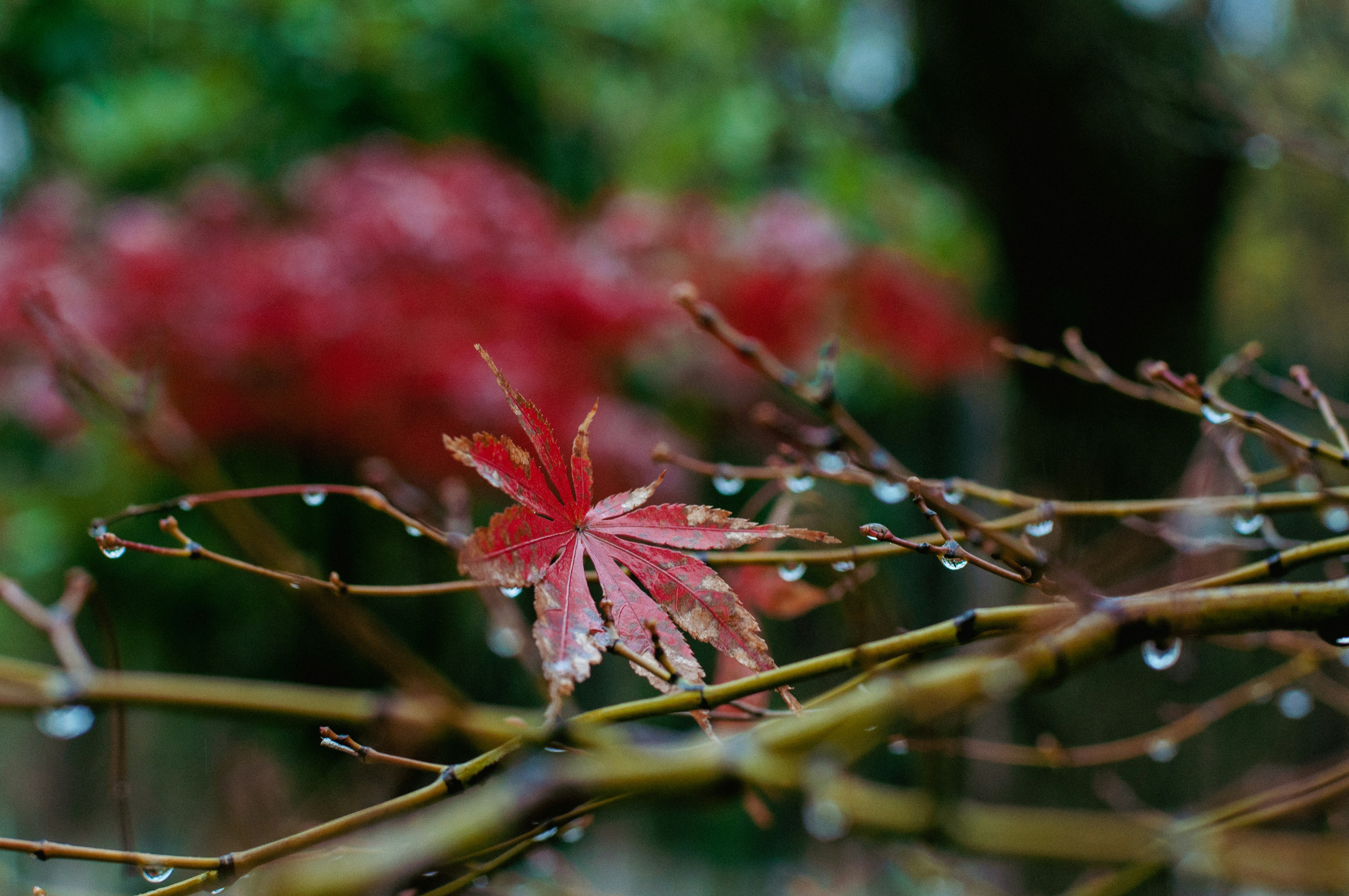
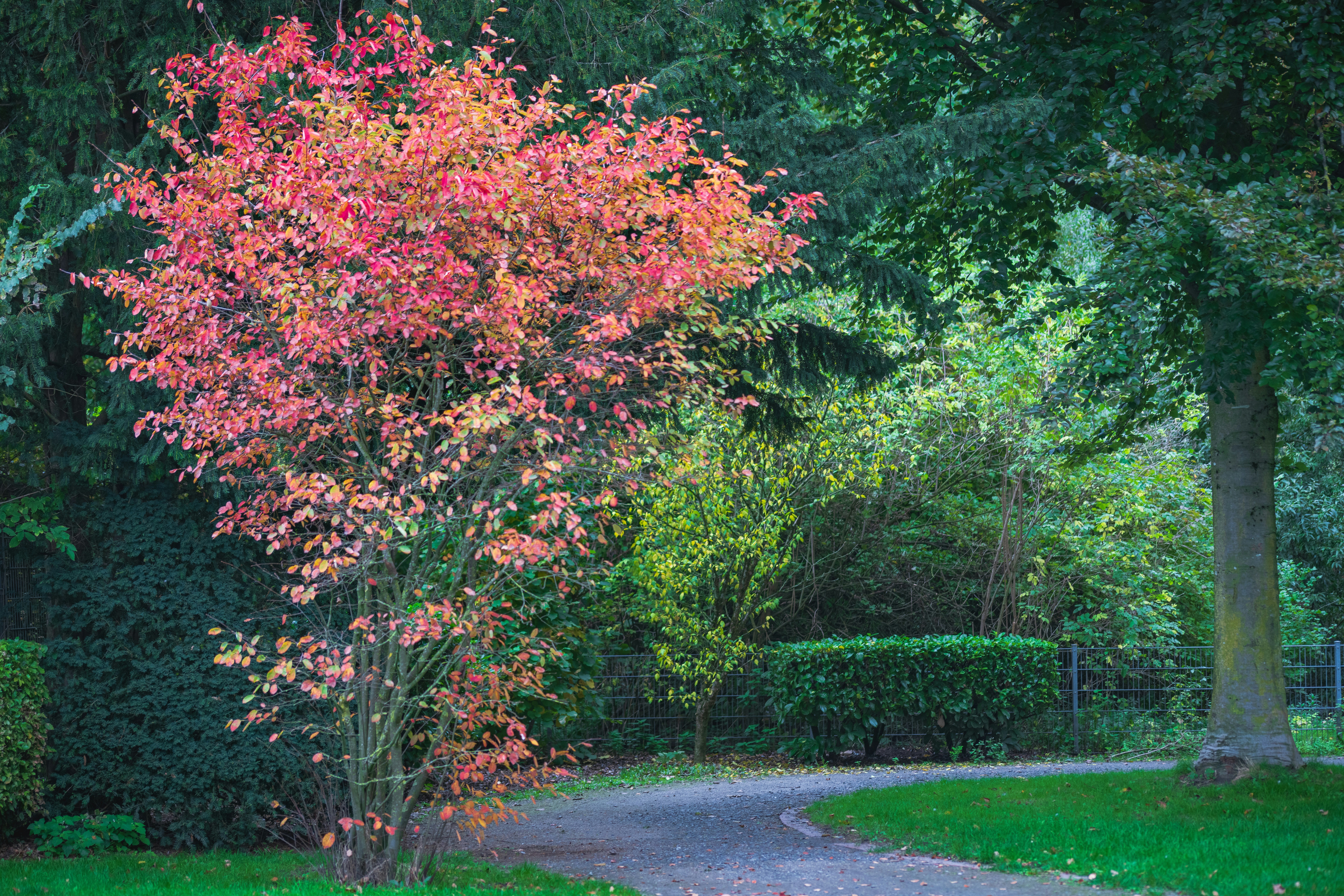
Trees move from bare branches to new leaves, then into autumn colour.
Flowers emerge, bloom and fade.
The garden responds continually to subtle changes in light, temperature, rainfall and weather. It does not follow the calendar in a rigid way. Instead, it responds to the conditions of each place and each year.
Gardening brings us closer to these rhythms.
When we care for plants, we begin to notice changes that may otherwise pass unseen. We anticipate the first shoots of spring bulbs, recognise the scent of warm soil after rain and observe the gradual slowing of growth as cooler weather approaches.
Over time, the seasons become more than divisions on a calendar.
They become experiences.
Rediscovering Nature’s Calendar
Most of us organise the year by dates.
We know when a new month begins, when holidays occur and when appointments are scheduled. Yet nature follows a different kind of calendar.
Spring does not begin everywhere on the same day.
One year may bring early blossom and mild temperatures. Another may hold onto winter for several weeks longer.
The appearance of certain plants and animals can reveal more about the changing season than a date alone.
The first snowdrop.
The opening of apple blossom.
The arrival of swallows.
The flowering of lavender.
The first autumn leaf.
The morning when frost settles across the lawn.
These recurring natural events form part of what is known as phenology: the study of seasonal changes in plants and animals and how they are influenced by climate and environmental conditions.
Gardeners often practise informal phenology without realising it.
We remember that daffodils flowered earlier than usual.
We notice when bees first become active.
We compare the timing of autumn colour from one year to the next.
These observations create familiarity with place.
The garden becomes a living calendar, revealing the year through colour, scent, growth and change.
The Garden as a Seasonal Guide
Every season asks something different of the garden.
Spring invites preparation and possibility.
Summer encourages growth and abundance.
Autumn brings harvest, transition and renewal.
Winter offers rest, structure and reflection.
Gardening helps us recognise that no season exists in isolation. Each prepares the way for the next.
Bulbs planted in autumn become spring flowers.
Seeds collected at the end of summer hold the possibility of future growth.
Leaves falling from trees return nutrients to the soil.
Winter pruning shapes growth that may not appear for several months.
The work of one season often becomes visible in another.
This encourages patience.
Gardening reminds us that not every action produces an immediate result and that meaningful growth often develops gradually.
Spring: A Season of Emergence
Spring often arrives quietly.
Before gardens become filled with colour, subtle changes begin beneath the surface.
Buds swell.
Roots become active.
Shoots push through cold soil.
Birdsong grows more noticeable as daylight increases.
The first signs may be small, but they carry a sense of possibility.
For gardeners, spring is often associated with sowing, planting and planning. Seed packets are opened. Garden beds are prepared. New ideas begin to take shape.
Yet spring can also be a season of observation.
Which plants survived winter?
Where does morning light now reach?
What has changed since the previous year?
Which flowers are attracting early pollinators?
Rather than rushing to complete every task, spending time noticing these changes helps us understand the garden more deeply.
Spring teaches that beginnings do not always arrive dramatically.
Sometimes growth begins quietly, long before it becomes visible.
Summer: A Season of Abundance
By summer, the garden often feels full.
Leaves expand.
Flowers open.
Vegetables ripen.
Insects move between plants, and long evenings create more opportunities to spend time outdoors.
Summer can be a busy season for gardeners. Plants require watering, weeds continue growing and flowers may need deadheading. The abundance of the garden can create an equally abundant list of tasks.
Yet summer also invites enjoyment.
It reminds us to experience what we have helped create.
To sit beneath a tree.
To notice fragrance carried by warm air.
To eat outdoors.
To watch pollinators move between flowers.
To enjoy a garden without searching for the next job.
There can be a tendency to view the garden as something that will be enjoyed once the work is finished.
But gardens are never truly finished.
Summer encourages us to participate in the present moment rather than continually preparing for the future.
Autumn: A Season of Gathering and Release
Autumn changes the atmosphere of the garden.
Light softens.
Evenings arrive earlier.
Leaves move from green to shades of yellow, amber and red.
Growth begins to slow.
For many gardeners, autumn is a season of gathering.
Fruit is harvested.
Seeds are collected.
Leaves are composted.
Tender plants are protected.
It is also a season of preparation.
Spring bulbs are planted beneath the soil, creating hope for a season that has not yet arrived.
Autumn demonstrates that endings and beginnings often exist together.
As leaves fall, buds for the following year may already be forming.
As annual plants complete their life cycles, seeds remain.
As the visible garden slows, future growth is quietly being prepared.
Living seasonally means recognising value in this transition rather than viewing autumn only as the end of summer.
Winter: A Season of Rest and Observation
Winter is sometimes described as an empty season.
Flowers are fewer.
Trees stand bare.
Growth slows or disappears from view.
Yet the winter garden is not without life.
Beneath the soil, roots remain.
Seeds wait for suitable conditions.
Insects shelter in stems, leaf litter and quiet corners.
Evergreen plants continue providing colour and structure.
Without the abundance of summer, other qualities become easier to notice.
The shape of branches.
The texture of bark.
The movement of grasses.
The silhouette of seed heads.
The low angle of winter light.
Winter encourages a different kind of attention.
It asks us to appreciate structure rather than abundance and stillness rather than activity.
For gardeners, this can be a time for reflection.
What worked well during the year?
Which plants struggled?
What brought the most enjoyment?
What might be changed?
Winter reminds us that rest is not inactivity.
It is part of the cycle that supports renewal.
Gardening With the Season Rather Than Against It
Living more closely with the seasons does not mean following strict rules.
It means becoming more responsive to the conditions around us.
Instead of planting because a date has arrived, we might observe soil temperature and weather.
Instead of watering according to habit, we might check the soil first.
Instead of removing every fallen leaf, we might allow some to remain beneath hedges or use them to enrich the garden.
This approach encourages us to work with natural processes rather than constantly trying to control them.
A garden suited to its climate, soil and local conditions is often easier to care for and more resilient over time.
Choosing plants that naturally thrive in a particular place can reduce the need for excessive watering, feeding and intervention.
Seasonal gardening becomes less about imposing a fixed vision and more about developing a relationship with the garden as it changes.
Eating With the Seasons
Growing even a small amount of food can deepen our awareness of the year.
A home-grown strawberry tastes connected to early summer.
Tomatoes carry the warmth of long days.
Apples signal the arrival of autumn.
Fresh herbs mark changes in growth and flowering.
Seasonal food creates anticipation.
We wait for particular flavours because they are not available from the garden all year.
This waiting can increase appreciation.
A single ripe strawberry may feel more meaningful when we have watched the plant flower, observed pollinators visiting and waited for the fruit to develop.
Growing food also reveals the conditions required for each crop.
We begin noticing rainfall, sunlight, temperature and soil health.
Food becomes connected not only to the kitchen but to place, weather and time.
Creating Seasonal Rituals
Seasonal living does not require major lifestyle changes.
Small rituals can help us acknowledge the changing year.
These might include:
- Photographing the same tree at the beginning of each month
- Recording the first flowers of spring
- Planting bulbs each autumn
- Gathering leaves to make leaf mould
- Collecting seeds from favourite plants
- Bringing seasonal flowers or foliage indoors
- Eating the first home-grown harvest outdoors
- Taking a quiet walk through the garden at the beginning of each season
The value of these rituals lies in attention.
They encourage us to recognise transition rather than allowing one season to pass unnoticed into another.
Over time, they create memories associated with the garden.
A particular scent may remind us of summer evenings.
The appearance of a flower may connect us with people or places.
Seasonal rituals create continuity while allowing change.
Keeping a Seasonal Garden Journal
A garden journal can become a record of both the garden and our relationship with it.
It does not need to be detailed or technical.
A few observations may be enough.
What is flowering?
Which birds are visiting?
What is the weather like?
What has changed since last week?
What did you notice today?
Photographs, sketches, pressed leaves and seed packets can also become part of the record.
Looking back reveals patterns.
We may discover that spring arrives differently each year or that certain plants consistently attract wildlife.
We may notice how our own interests change.
The journal becomes a conversation between seasons.
It helps transform fleeting observations into a deeper understanding of place.
Learning to Appreciate Every Season
Most people have a favourite season.
Some welcome the energy of spring.
Others enjoy the warmth of summer, the colours of autumn or the quiet of winter.
Yet gardening can help us appreciate qualities in every part of the year.
A garden without winter would lose its sense of renewal.
A garden without autumn would miss its transformation.
A garden without spring would lack anticipation.
A garden without summer would lose much of its abundance.
Each season gives meaning to the others.
Living more closely with the seasons does not require us to enjoy every kind of weather or every gardening task.
It simply asks us to remain curious.
What is distinctive about this moment?
What is happening now that will not happen in quite the same way again?
A Deeper Relationship With Place
Gardening connects us not only with seasons but with the particular place where we live.
Climate differs between regions.
Soils vary.
Rainfall changes.
Plants respond differently.
The same species may flower weeks apart in two locations.
By observing these differences, we develop local knowledge.
We learn where frost settles.
We recognise the warmest corner of the garden.
We know which areas remain damp after rain.
We notice where birds gather and where the first spring flowers appear.
This knowledge cannot always be learned from books.
It develops through attention and experience.
The garden becomes familiar not because it remains the same, but because we come to understand how it changes.
Living Seasonally in Any Space
A large garden is not necessary.
A balcony can reveal the seasons through flowering containers.
A windowsill herb can respond to changing light.
A nearby park can provide opportunities to observe trees, birds and weather.
Even one plant can become a seasonal companion.
We may notice new growth in spring, flowers in summer, fading leaves in autumn and rest in winter.
Seasonal connection begins with attention rather than space.
Wherever we live, the natural world continues changing around us.
The invitation is simply to notice.
Returning to Nature’s Rhythm
Living more closely with the seasons does not mean rejecting modern life.
It means allowing natural rhythms to become visible again.
Gardening gives us a way to participate.
We sow.
We wait.
We nurture.
We harvest.
We release.
We begin again.
Through these repeated actions, the year becomes more textured and meaningful.
We learn that growth has seasons.
That rest has value.
That change is constant.
That anticipation can deepen appreciation.
The garden does not ask us to hurry.
It invites us to observe what is happening now.
To notice the first bud.
The lengthening evening.
The scent of rain.
The turning leaf.
The quiet garden resting beneath winter skies.
When we begin to recognise these moments, the seasons become more than weather or dates on a calendar.
They become part of how we understand the world around us.
And perhaps, through gardening, part of how we understand ourselves.
About the author
Cameron Graves is a horticultural scientist, writer and founder of Garden Lovers Collective. Drawing on more than two decades of experience in horticulture, he explores the relationship between plants, gardens, nature and human wellbeing.

Leave a Reply