By Cameron Graves

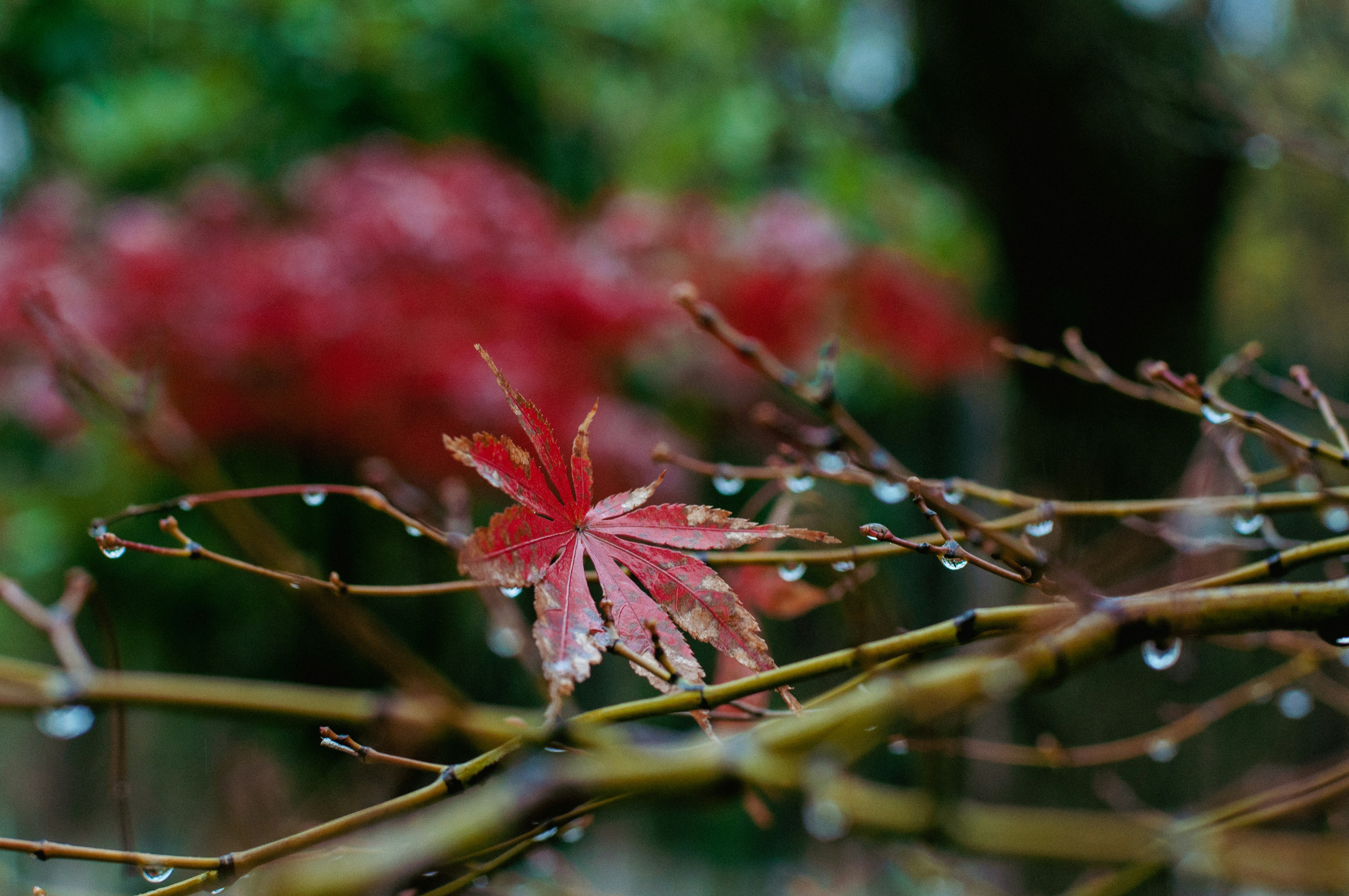
Image Credit: Photo by Raul Popadineți on Unsplash
In a world that encourages us to hurry, the garden offers another way of understanding time.
There are few places where time becomes as visible as it does in a garden.
We see it in the opening of a flower.
In the lengthening shadow of a tree.
In the first leaves appearing in spring and the same leaves returning to the earth months later.
We see it in plants that emerge quickly and disappear within a season, and in trees that grow so slowly that their transformation can be difficult to notice from one year to the next.
A garden contains many different measures of time at once.
Hours.
Days.
Seasons.
Years.
Sometimes generations.
Perhaps this is one reason gardens can feel so different from much of modern life.
Beyond the garden gate, time is often something we organise, measure and try to use efficiently. We divide our days into appointments and deadlines. We look for ways to save time. We worry about wasting it. We notice how quickly it seems to pass.
The garden offers another perspective.
Here, time cannot always be managed.
Some things simply take as long as they take.
And if we stay with a garden long enough, it begins to teach us something about patience, change and the value of paying attention along the way.
A Different Kind of Clock
Gardens have their own clocks.
They do not measure time in minutes.
They measure it through change.
A crocus emerging through cold soil tells us that winter is beginning to loosen its hold.
The first unfurling leaves of a tree mark another point in the year.
The arrival of bees among spring flowers signals something different again.
Later come roses, long evenings and the abundance of summer.
Then berries ripen.
Seed heads form.
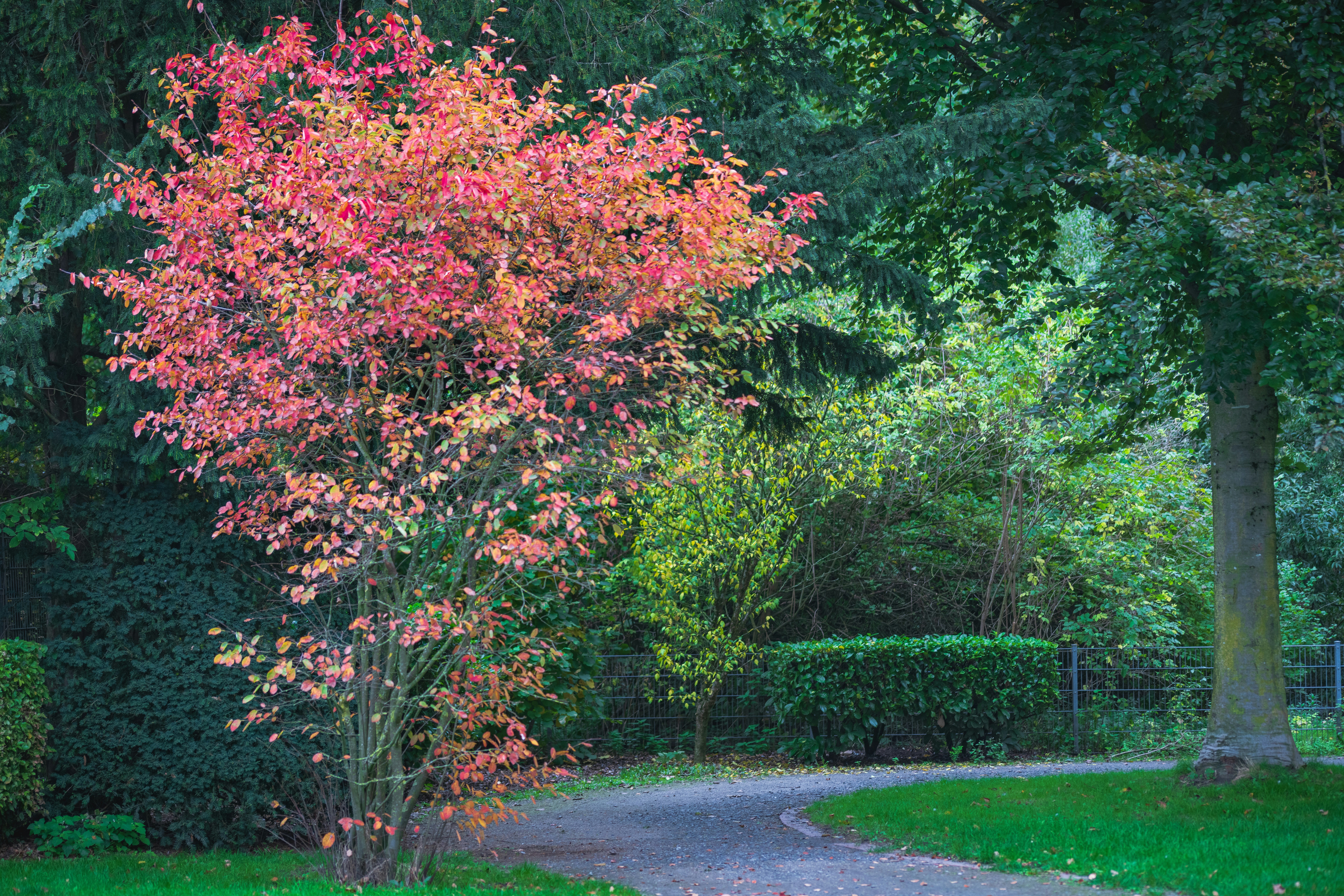
Leaves begin to change.
Eventually, branches become bare and the garden grows quiet.
None of these events happens at precisely the same moment every year.
Weather shifts.
Temperatures vary.
Rain arrives early or late.
Yet the sequence remains familiar enough that gardeners begin recognising the signs.
We learn to read time through the living world.
The Garden Cannot Be Hurried
One of gardening’s simplest lessons is also one of its most difficult.
Growth takes time.
We can improve soil.
Provide water.
Choose the right position.
Feed plants when necessary.
Protect young growth.
But we cannot command a seed to germinate tomorrow.
We cannot persuade a tree to mature in a season.
We cannot make spring arrive because we are tired of winter.
The gardener can create conditions for growth.
The growing itself belongs to the plant.
This requires patience.
For someone beginning a new garden, that patience can be difficult.
A newly planted border may look sparse.
A young hedge offers little privacy.
A small tree seems almost insignificant within the landscape.
The temptation is to fill every gap and expect immediate results.
But gardens reward those who can imagine what is not yet there.
We plant partly for today and partly for a future we cannot see.
Some Things Need Years
Certain gardening experiences can only be understood over time.
Watching a young tree develop its character.
Seeing a hedge become dense enough for birds to nest within it.
Discovering which plants gradually find their own places in a border.
Observing how shade changes as trees mature.
Noticing how the garden itself develops a sense of permanence.
These things cannot be accelerated.
There is something reassuring about that.
We live in a culture where so much is available almost immediately. Information arrives in seconds. Purchases can appear the following day. Entertainment begins at the touch of a screen.
Gardens resist this expectation.
They remind us that some worthwhile things develop slowly.
And perhaps their value is partly created by the waiting.
Planting for Someone We Have Not Yet Become
To plant a tree is an unusual act.
We place something relatively small into the ground while imagining what it might become years or decades later.
We may sit beneath its shade one day.
We may watch birds nest in its branches.
We may see its trunk become broad and textured.
Or perhaps someone else will.
Gardening frequently asks us to think beyond the present version of ourselves.
A person planting fruit trees imagines future harvests.
Someone planting spring bulbs in autumn imagines flowers months away.
A gardener dividing perennials sees the border they may eventually fill.
There is hope within these actions.
Not dramatic hope.
Something quieter.
We do the work now because we trust that another season will come.
Learning to Wait
Gardening contains a surprising amount of waiting.
Waiting for seeds to germinate.
Waiting for rain.
Waiting for fruit to ripen.
Waiting for a newly planted shrub to establish.
Waiting to see whether something survived winter.
At first, waiting can feel like inactivity.
But the garden teaches us that waiting and doing nothing are not necessarily the same thing.
Beneath the soil, roots may be developing.
Inside a bud, next season’s growth may already be forming.
A dormant plant may appear lifeless while remaining completely alive.
Not everything meaningful is immediately visible.
That lesson reaches beyond gardening.
Progress can be occurring even when we cannot yet see its results.
The Importance of the Right Moment
Although gardens teach patience, they also teach timing.
There is a time to sow.
A time to prune.
A time to harvest.
A time to divide.
A time to leave alone.
Doing the right thing at the wrong time can produce very different results.
Experienced gardeners gradually develop a feel for these moments.
Not simply because a calendar tells them what month it is, but because they begin observing conditions.
The soil feels warmer.
Daylight is increasing.
A particular plant begins growing.
Frost becomes less likely.
Seeds start ripening.
Gardening becomes a conversation between knowledge and observation.
We stop asking only, “What date is it?”
We begin asking, “What is happening now?”
That is a subtle but important difference.
Seasons Change Our Sense of Time
Each season seems to move differently.
Spring can feel full of anticipation.
Every few days something new appears.
Buds swell.
Shoots emerge.
Birdsong changes.
The garden seems to accelerate.
Summer often feels expansive.
Long evenings stretch the day, and growth can become almost overwhelming.
Then autumn begins to slow things down.
Light changes.
Growth softens.
Leaves fall.
Winter strips the garden back to structure.
These seasonal rhythms influence our own behaviour too.
We may feel more energetic in spring.
Spend longer outdoors during summer.
Begin withdrawing indoors as evenings shorten.
Gardening makes these changes difficult to ignore.
It reconnects our lives with a calendar much older than the one hanging on the wall.
There Is a Season for Rest
Gardens remind us that growth is not continuous.
Winter can appear inactive.
Branches are bare.
Perennials disappear underground.
Flowers become scarce.
But this apparent stillness is not failure.
Many plants require dormancy.
Seeds wait for the correct conditions.
Trees conserve resources.
Soil life continues beneath the surface.
The garden rests because rest is part of its cycle.
This can be a useful counterpoint to the idea that we should always be productive.
Nature does not produce flowers twelve months of the year.
A tree does not apologise for losing its leaves.
The garden demonstrates that periods of activity and rest belong together.
One makes the other possible.
Flowers Teach Us About Impermanence
Perhaps no part of the garden demonstrates the passage of time more beautifully than flowers.
We wait months for some of them.
Then they arrive.
A peony bud slowly opens.
A rose reaches perfection.
Cherry blossom fills the branches.
For a brief period, the garden seems transformed.
And then the petals fall.
The moment passes.
Gardeners understand that this does not make the flowering less valuable.
If anything, its temporary nature may make us pay closer attention.
We go outside because the magnolia is flowering now.
We stop beside the peonies because we know they will not look exactly like this next week.
Impermanence encourages attention.
The garden teaches us that something does not need to last forever to matter.
Noticing Makes Time Feel Different
There are days that disappear almost unnoticed.
One task follows another.
Morning becomes evening.
A week becomes a month.
Gardens interrupt this movement.
A new flower makes us stop.
A bird lands nearby.
Rain gathers on a leaf.
The scent of a plant catches our attention as we pass.
These moments may last only seconds.
Yet they give shape to time.
Perhaps this is one reason being in a garden can make an afternoon feel different from one spent moving rapidly between tasks.
We remember what we notice.
And the more carefully we notice, the richer our experience of time can become.
The Same Garden Is Never the Same
We may walk through the same garden every morning.
Yet it is never quite the same garden.
A flower has opened.
Another has faded.
A spider has constructed a web overnight.
Wind has moved a branch.
A mushroom has appeared after rain.
A leaf has begun turning yellow.
Much of this change is subtle.
If we visit occasionally, we may miss it.
But repeated observation reveals how dynamic even a familiar place can be.
This is one of gardening’s great rewards.
Familiarity does not necessarily make a place less interesting.
Sometimes it allows us to see more.
Gardens Hold Memory
Time in a garden does not only move forward.
It also accumulates.
A tree may remind us of the day it was planted.
A rose may have come from a parent’s garden.
A cutting may have travelled between friends.
A particular scent may suddenly return us to childhood.
Gardens can become repositories of memory.
Plants outlive moments.
Sometimes they outlive people.
They connect one period of our lives with another.
This is why moving away from a garden can feel unexpectedly emotional.
We are not simply leaving plants behind.
We are leaving years of attention, experience and memory embedded within a place.
Plants Can Connect Generations
Some gardens contain plants whose origins are almost forgotten.
An old apple tree planted by a previous owner.
A lilac that has flowered beside a house for decades.
A perennial divided repeatedly and passed between generations.
Seeds saved year after year.
These plants create continuity.
Someone cared for them before us.
We care for them now.
Someone else may care for them later.
Gardening can therefore stretch our understanding of time beyond an individual lifespan.
We become temporary custodians of living things that may continue without us.
There is humility in that.
A Mature Garden Cannot Be Bought
It is possible to create an impressive garden quickly.
Large plants can be purchased.
Trees can be transplanted.
Borders can be professionally designed and installed.
But there is one quality that cannot be delivered on a lorry.
Time.
Mature gardens possess layers that develop gradually.
Trees cast established shade.
Plants have found their relationships with one another.
Moss settles onto stone.
Edges soften.
Wildlife discovers the space.
The garden develops history.
This does not mean young gardens are somehow less valuable.
Quite the opposite.
Their beauty lies partly in possibility.
But mature gardens remind us that time itself is one of the materials from which gardens are made.
Gardening Changes as We Change
Our relationship with gardens evolves too.
As children, gardens may be places of exploration.
Later, we may become interested in growing plants or creating beautiful spaces.
At another stage of life, the garden may become somewhere we seek quiet.
Our physical relationship with gardening may change as well.
Tasks that once seemed effortless may eventually require adaptation.
Interests shift.
Priorities change.
The garden accompanies us through these stages.
It does not remain fixed because neither do we.
Perhaps that is why a garden tended for many years can feel so personal.
We have grown alongside it.
There Will Always Be Another Season
Gardening contains disappointment.
A crop fails.
A favourite plant dies.
A storm damages a tree.
A late frost destroys young growth.
A summer does not unfold as we imagined.
But gardeners learn something important.
There will usually be another season.
We can sow again.
Replant.
Move something.
Try another variety.
Learn from what happened.
Begin differently next year.
The garden continually offers another attempt.
This does not mean every loss is easily replaced.
A mature tree, for example, may represent decades of growth.
But the larger rhythm continues.
Growth follows dormancy.
Flowers return.
Seeds germinate.
Life finds another way forward.
The Garden Asks Us to Be Present
Gardens contain the past and continually point towards the future.
Yet the only moment in which we can actually experience them is now.
Today’s rose cannot be saved for next month.
This evening’s light will not fall across the garden in precisely the same way tomorrow.
The bird singing from the hedge may disappear the moment we turn away.
Gardening teaches planning.
But it also teaches presence.
There is always another task we could be doing.
Another border to weed.
Another plant to prune.
Another improvement to make.
Sometimes the better choice is to stop.
To look.
To listen.
To experience the garden as it is rather than continually working towards what it might become.
Time Is Part of the Garden
Perhaps we often think of a garden as plants arranged within a physical space.
But time belongs within the design too.
A garden is not only what we plant.
It is what those plants become.
It is spring following winter.
Shade gradually deepening beneath a tree.
Stone becoming weathered.
A hedge becoming dense.
A border changing as plants compete, spread and disappear.
It is the accumulation of seasons.
When we understand this, the idea of finishing a garden begins to feel strange.
There is no final version.
There is only the garden today.
And the garden that follows.
Learning to Live at the Garden’s Pace
The garden does not tell us to stop planning.
Nor does it suggest that time is unlimited.
Perhaps it teaches almost the opposite.
Time matters precisely because it passes.
Flowers fade.
Seasons change.
Trees grow older.
So do we.
But the garden does not respond to this reality with urgency.
It continues.
Quietly.
A seed germinates when conditions are right.
A leaf unfolds.
A flower opens.
Fruit ripens.
Leaves fall.
The cycle begins again.
Living closely with gardens can gradually change the way we understand time.
We begin to recognise that not everything needs to happen quickly.
That waiting can have value.
That rest is part of growth.
That change does not always need to be resisted.
That something temporary can still be deeply meaningful.
And that paying attention may be one of the simplest ways of making our experience of time feel richer.
Perhaps this is ultimately what gardens teach us.
We cannot stop time.
We cannot hurry everything within it.
But we can notice it.
A bud opening.
A tree growing.
A season turning.
A garden changing.
And ourselves changing quietly alongside it.
About the author
Cameron Graves is a horticultural scientist, writer and founder of Garden Lovers Collective. Drawing on more than two decades of experience in horticulture, he explores the relationship between plants, gardens, nature and human wellbeing.

Leave a Reply