by Cameron Graves

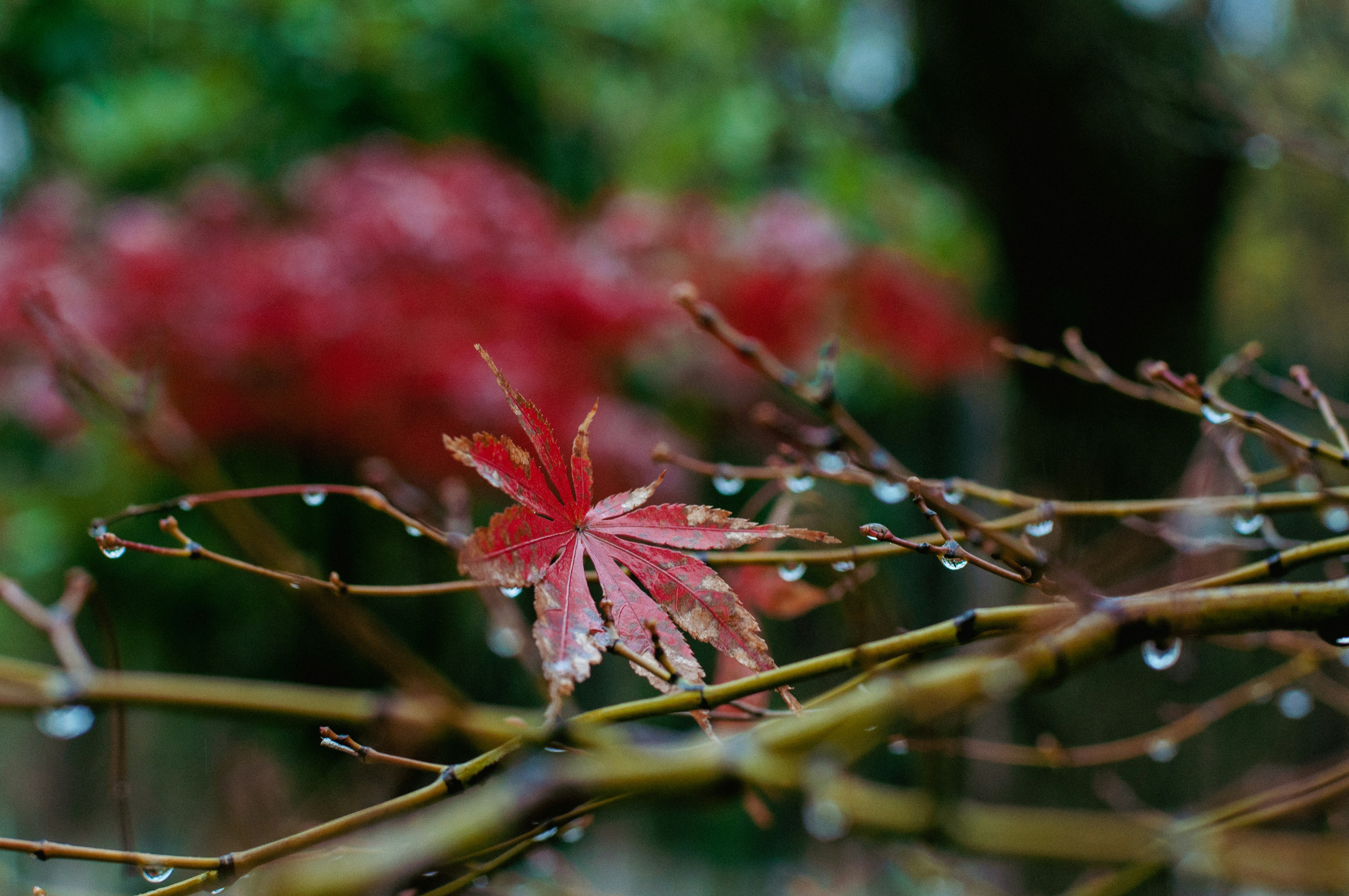
Image Credit: Photo by Justin Zhu on Unsplash
Finding beauty, balance and a gentler way of gardening by allowing nature a little more room.
There is always something unfinished in a garden.
A weed appears between paving stones.
A rose finishes flowering.
Leaves gather beneath a hedge.
Grass grows slightly longer than intended.
A perennial leans into its neighbour.
A border that looked carefully composed in spring becomes fuller and less predictable by midsummer.
For many gardeners, these small changes immediately become jobs.
Something needs cutting back.
Something needs tidying.
Something needs controlling.
We can become so accustomed to seeing the garden through the lens of what needs to be done that we stop noticing what is already happening around us.
Yet a garden was never meant to remain still.
It grows, changes, fades, reproduces and eventually returns to the soil.
Perhaps one of the most liberating lessons of slow gardening is learning that we do not have to control every part of that process.
A beautiful garden does not need to be a perfect garden.
And sometimes, when we allow a little imperfection, the garden becomes richer because of it.
Where Does the Idea of a Perfect Garden Come From?
Our idea of what a garden should look like is shaped by many influences.
Garden shows.
Magazines.
Social media.
Plant catalogues.
Television programmes.
Beautifully photographed gardens often appear at precisely the right moment: flowers at their peak, lawns freshly cut and borders carefully maintained.
These images can be wonderfully inspiring.
But they capture a moment.
A real garden exists every day.
It experiences rain, wind, heat and frost. Plants become damaged. Flowers fade. Leaves fall. Weeds arrive. Wildlife feeds on foliage. Some plants flourish while others struggle.
Gardens are living systems, not permanent photographs.
When we expect them to remain visually perfect, gardening can gradually become less about enjoyment and more about correction.
There is always something that fails to match the picture in our minds.
Slow gardening invites us to question that expectation.
Instead of asking whether the garden looks perfect, we might ask:
Does this garden feel alive?
That is a very different measure of success.
A Garden Is Always Becoming
One of the most fascinating qualities of gardening is that nothing remains finished.
Plant a tree and it changes the space for decades.
Create a perennial border and the relationships between the plants evolve each year.
A seed falls into an unexpected place and produces a flower the following season.
A shrub grows wider and changes the amount of shade beneath it.
The garden we see today is only one stage in an ongoing process.
This can be frustrating if our goal is permanence.
But it can be deeply rewarding when we learn to appreciate change.
Instead of continually trying to return the garden to an imagined finished state, we can begin responding to what it is becoming.
Perhaps a plant has self-seeded into a better position than the one we chose.
Perhaps a shaded area has developed beneath a maturing tree.
Perhaps moss has appeared somewhere grass continually struggles.
These changes are not necessarily failures.
Sometimes the garden is showing us another possibility.
Imperfection Is Often Evidence of Life
A leaf with a hole in it may not be perfect.
But something may have eaten it.
A seed head may look untidy.
But a bird may feed from it.
A pile of fallen leaves may seem ready for removal.
But beneath them, countless small organisms may be finding food and shelter.
When we look at gardens purely through an aesthetic lens, signs of ecological activity can appear as problems.
Biodiversity changes that perspective.
If we want butterflies, we must accept caterpillars.
If we want birds, we need insects.
If we want healthy soil, we need decomposition.
If we want natural cycles, we need to allow some plants to flower, fade and return to the earth.
A completely immaculate garden can sometimes leave surprisingly little room for these processes.
Letting go of perfection does not mean abandoning the garden.
It means recognising that life can be untidy.
Rethinking the Perfect Lawn
Few parts of the garden carry as many expectations as the lawn.
The traditional ideal is familiar: dense, evenly green, closely cut and free from anything that is not grass.
Maintaining that appearance can require considerable time and resources.
Regular mowing.
Watering during dry periods.
Feeding.
Removing weeds.
Repairing damaged areas.
There is nothing wrong with enjoying a formal lawn. In some gardens, it provides valuable space for recreation and creates an important visual structure.
But we can also question whether every lawn needs to meet the same standard.
Daisies appearing among the grass are not necessarily a problem.
Clover can provide flowers for pollinators.
Slightly longer grass may create habitat.
A lawn that becomes brown during prolonged dry weather may simply be responding naturally to the conditions.
Reducing our expectations can reduce our interventions.
And that can make gardening more sustainable.
Allow Some Areas to Be Different
Letting go of perfection does not require the entire garden to become wild.
In fact, contrast can be very effective.
A neatly maintained path beside looser planting immediately makes the planting look intentional.
A clipped hedge can provide structure behind a more naturalistic border.
A mown path through longer grass creates a clear sense of design.
A tidy terrace can sit beside a more relaxed wildlife area.
This approach allows us to decide where control matters and where nature can have more freedom.
It is sometimes described as creating a framework for wildness.
The garden still feels cared for.
It simply does not require every square metre to receive the same level of intervention.
This can dramatically reduce maintenance while creating more varied habitats.
Learn to Look Before You Act
Gardening often becomes habitual.
We see a faded flower and immediately reach for the secateurs.
We see fallen leaves and find the rake.
We notice an insect and wonder whether it is a pest.
Slow gardening introduces a useful pause.
Before doing something, ask:
Does this actually need to be changed?
Sometimes the answer will be yes.
Diseased material may need removing.
Paths need to remain safe.
Certain weeds need controlling.
Plants may require pruning for health or structure.
But sometimes intervention is simply habit.
A seed head can remain.
Leaves can stay beneath a hedge.
A self-seeded flower can be allowed to grow.
A small patch of moss can remain where it naturally thrives.
Observation before action reduces unnecessary work.
It also gives us an opportunity to understand the garden better.
Faded Flowers Still Have Beauty
Gardens are often celebrated at their moment of peak flowering.
But plants remain interesting long after petals fall.
Seed heads create structure.
Grasses turn golden.
Hydrangea flowers soften and fade.
Perennial stems catch frost.
Bare branches reveal shapes hidden during summer.
When we immediately remove everything that has passed its flowering peak, we lose part of the seasonal story.
Allowing selected plants to remain standing can also provide food and shelter for wildlife.
It creates winter interest.
And it reminds us that beauty does not exist only in new growth.
There is beauty in ageing.
In fading.
In changing form.
In the quiet transition from one season to another.
The Freedom of Fewer Tasks
One of the greatest benefits of accepting imperfection is surprisingly practical.
There is less to do.
Not every leaf needs gathering.
Not every flower needs deadheading.
Not every area of grass needs mowing every week.
Not every self-seeded plant needs removing.
This creates time.
And what we do with that time matters.
We might sit in the garden.
Observe wildlife.
Grow food.
Spend time with family.
Read beneath a tree.
Or simply garden at a pace that feels enjoyable rather than exhausting.
A garden should not become an endless list of tasks that prevents us from experiencing the place we are working so hard to maintain.
Sometimes doing less allows us to receive more from the garden.
Working With Plants Rather Than Against Them
Perfection can also influence plant choice.
We may try repeatedly to grow plants that are poorly suited to our soil, climate or conditions because they fit an image we have of how the garden should look.
The result can be constant intervention.
More watering.
More feeding.
More protection.
More replacement.
A slower and more sustainable approach begins with the conditions already present.
What thrives naturally?
Which plants cope well with the soil?
Where is the garden naturally damp?
Which areas receive full sun?
Where does shade remain throughout the day?
Choosing plants suited to those conditions often creates a more resilient garden.
Plants require less support.
Resources are used more efficiently.
And the gardener spends less time fighting against the character of the site.
The garden becomes a collaboration rather than a battle.
Accepting That Plants Sometimes Fail
Every gardener loses plants.
Sometimes the reason is obvious.
Sometimes it remains a mystery.
A winter is unexpectedly cold.
A summer becomes unusually dry.
Drainage is poor.
A plant simply fails to establish.
It is tempting to view these losses as mistakes.
But failure is part of gardening.
Experienced gardeners do not succeed because every plant survives.
They succeed because they observe, learn and adapt.
A plant that fails teaches us something about the conditions.
A planting combination that becomes overcrowded teaches us about spacing.
A vegetable crop damaged by pests teaches us about timing, protection or ecological balance.
Gardening knowledge develops through experience, and experience includes things going wrong.
Perfection leaves little room for learning.
Gardening With the Seasons, Not Against Them
The desire for perfection can make us resistant to seasonal change.
We want the garden to remain colourful.
We want leaves to stay on trees.
We want flowers to continue.
We want growth without decline.
But gardens have periods of abundance and periods of rest.
Winter is not an unsuccessful summer.
Autumn is not a garden deteriorating.
They are necessary parts of the cycle.
Seasonal gardening means allowing the garden to look different throughout the year.
Spring may feel fresh and open.
Summer becomes abundant.
Autumn softens.
Winter reveals structure.
When we accept these changes, we stop expecting the garden to perform continuously.
And perhaps we become a little more accepting of changing rhythms in our own lives too.
Sustainability Often Begins With Enough
Gardening can easily become centred around acquiring more.
More plants.
More containers.
More tools.
More products.
More improvements.
There will always be another plant that could fill a gap.
Another feature that could transform a corner.
Another product promising a better lawn or healthier flowers.
Slow gardening encourages another question:
What if what we already have is enough?
Dividing established perennials can create new plants.
Compost can return garden material to the soil.
Seeds can be collected.
Containers can be reused.
Existing plants can be moved rather than replaced.
The most sustainable purchase is often the one we decide we do not need.
This does not mean never buying plants or enjoying garden centres.
It simply means allowing our choices to become more intentional.
Leave Room for Surprise
Some of the most memorable moments in gardens are unplanned.
A foxglove appears where we never planted one.
A bird nests in an unexpected shrub.
A wildflower arrives in the lawn.
A plant combination occurs by accident and works beautifully.
Gardens become interesting when they contain an element of surprise.
If every plant is controlled and every spontaneous occurrence removed, we lose some of that possibility.
Allowing a little uncertainty creates room for discovery.
We remain gardeners.
But we are not the garden’s only authors.
Weather, wildlife, soil and chance contribute too.
Your Garden Does Not Need to Impress Anyone
Gardens can become deeply personal spaces.
They contain memories.
Plants received as gifts.
Trees planted to mark occasions.
Cuttings carried from previous homes.
Flowers that remind us of childhood.
A garden’s value cannot always be measured by conventional standards of design.
It may not photograph perfectly.
The lawn may contain clover.
The borders may be slightly crowded.
A favourite old shrub may occupy more space than good design principles would recommend.
And yet the garden may mean something.
That matters.
The most successful garden is not necessarily the one that receives the greatest admiration.
It may simply be the one in which you feel most at home.
A Gentler Standard of Care
Letting go of perfection does not mean letting go of care.
Perhaps it means redefining care.
Care can mean pruning a tree correctly rather than constantly shaping it.
It can mean protecting soil rather than keeping every surface bare.
It can mean allowing flowers to feed insects.
It can mean conserving water.
It can mean choosing plants that will thrive without excessive intervention.
And sometimes care means leaving something alone.
A slower garden is still a cared-for garden.
The difference is that every action has a reason.
Notice What Happens When You Do Less
Choose one small area of the garden and experiment.
Leave some seed heads.
Allow a few daisies in the lawn.
Let autumn leaves remain beneath a hedge.
Wait before removing a self-seeded plant.
Reduce mowing in one area.
Then observe.
Does anything change?
Do more insects appear?
Do birds investigate?
Does the garden feel different?
Perhaps most importantly, do you feel different?
Gardening with less pressure can change our experience of the space.
We stop continually scanning for imperfections.
We begin noticing life.
Let the Garden Be a Garden
A garden will never remain exactly as we intend.
That is not its failure.
It is its nature.
Plants will grow beyond their boundaries.
Leaves will fall.
Flowers will fade.
Insects will eat.
Seeds will travel.
Weather will intervene.
And every year the garden will become slightly different from the year before.
We can spend enormous energy resisting this.
Or we can participate in it.
We can guide without controlling everything.
Care without constantly correcting.
Design while leaving room for spontaneity.
Maintain what matters and allow other things to soften.
The result may not be perfect.
But perhaps perfection was never the most interesting goal.
A garden with a few weeds, weathered leaves and unexpected seedlings can still be beautiful.
A lawn containing clover can still invite bare feet.
A faded seed head can still catch the evening light.
A fallen leaf can still nourish the soil.
When we stop asking the garden to remain immaculate, we begin seeing it differently.
We notice its rhythms.
Its relationships.
Its resilience.
Its imperfections.
And somewhere within that acceptance, gardening itself becomes gentler.
There is less pressure to finish.
Less urgency to control.
More opportunity to observe.
More room for nature.
And more time simply to enjoy being in the garden.
Perhaps letting go of perfection is not about caring less.
Perhaps it is about learning what is truly worth caring for.
About the author
Cameron Graves is a horticultural scientist, writer and founder of Garden Lovers Collective. Drawing on more than two decades of experience in horticulture, he explores the relationship between plants, gardens, nature and human wellbeing.

Leave a Reply