by Cameron Graves

Credit: Photo by Mika Baumeister on Unsplash
Discovering how even the smallest garden can become part of a richer, more connected living landscape.
When we hear the word biodiversity, our thoughts may travel somewhere wild.
A rainforest filled with extraordinary species. A meadow alive with butterflies. Ancient woodland. Wetlands, mountains or remote landscapes protected for their ecological importance.
We do not always think of the garden outside the kitchen window.
Yet biodiversity exists wherever different forms of life interact.
It can be found beneath a hedge, among the flowers of a border, inside the soil of a vegetable bed and around a small garden pond. It is present in the bee visiting lavender, the earthworm moving through the soil and the bird searching for insects among the branches of a tree.
Even an ordinary garden can contain a remarkable network of life.
And when we begin to notice those relationships, the garden becomes something more than a space belonging only to us.
It becomes part of a much larger living landscape.
What Do We Mean by Biodiversity?
Biodiversity simply describes the variety of life.
That includes the plants and animals we readily notice, but also fungi, microorganisms and countless other organisms that may remain largely unseen.
Within a garden, biodiversity can exist at many levels.
There are different species of plants.
Different insects visiting those plants.
Birds feeding on insects, fruits or seeds.
Earthworms and other organisms breaking down organic matter.
Fungi forming relationships with plant roots.
Microorganisms contributing to the complex processes taking place within healthy soil.
These organisms do not exist independently.
They interact.
A flowering plant may provide nectar for an insect.
That insect may become food for a bird.
Fallen leaves may provide shelter before gradually decomposing and returning nutrients to the soil.
The more closely we observe a garden, the more these relationships become visible.
Biodiversity is not simply about having many species.
It is also about the connections between them.
The Everyday Garden Matters
A single garden may seem insignificant when compared with a woodland, nature reserve or national park.
But gardens do not exist in isolation.
Across towns, cities, villages and rural landscapes, individual gardens collectively create substantial areas of green space.
A hedge in one garden may connect with trees in another.
A flowering front garden may provide food for an insect travelling between larger habitats.
A small pond may become a source of water.
A mature tree may provide nesting sites, shelter and food.
A balcony filled with flowering plants may offer a temporary stopping point for pollinators moving through an urban environment.
Seen individually, these spaces may appear small.
Seen together, they can form a network.
This is one of the reasons everyday gardening choices matter.
We may not be able to create large wildlife habitats individually, but we can make our own spaces more welcoming.
Begin With What Is Already There
Supporting biodiversity does not necessarily begin with buying more plants.
It begins with observation.
Spend a little time looking carefully at your garden.
Which birds visit?
Where do bees gather?
Are there butterflies?
What happens around flowering herbs?
Which areas remain damp?
Where do leaves naturally collect?
What lives beneath a stone or fallen branch?
We often notice the most colourful or charismatic wildlife first, but some of the garden’s most important activity happens quietly.
Look at the soil.
Observe decaying leaves.
Watch insects moving among plants.
Notice spiders building webs.
Listen for birds hidden within shrubs.
Once we begin looking, a garden that previously seemed familiar can become surprisingly complex.
Observation changes our relationship with the space.
Instead of immediately asking what needs to be changed, we begin by understanding what is already happening.
Plants Form the Foundation
Plants provide much of the structure upon which garden biodiversity depends.
Trees offer shelter, nesting opportunities and food.
Shrubs create protected spaces.
Flowers provide nectar and pollen.
Grasses offer cover.
Climbing plants can create habitat against walls and fences.
Ground-cover plants protect the soil.
A garden containing different forms and layers of vegetation can provide more opportunities for wildlife than one dominated by a single type of planting.
This does not mean every garden needs to become densely planted.
Rather, consider variety.
A tree above shrubs.
Perennials beneath.
Ground cover at soil level.
Climbers extending vertically.
Different layers create different habitats.
They also make gardens visually interesting and immersive for people.
Once again, good ecological gardening and thoughtful garden design do not need to be opposing ideas.
They can support one another.
Flowers Are More Than Decoration
Flowers bring colour and beauty into our gardens, but to many insects they represent food.
Nectar provides energy.
Pollen provides important nutrients.
Different insects are adapted to different types of flowers, which is why diversity in flower shape can be valuable.
Open flowers provide easy access for many insects.
Tubular flowers suit others.
Umbel-shaped flower heads offer numerous small feeding opportunities.
Flowering herbs can be particularly valuable.
Allowing thyme, oregano, rosemary, chives or mint to flower can transform familiar culinary plants into busy feeding areas.
Flowering across a long season is also important.
A garden filled with flowers for three weeks may be beautiful, but a garden offering something from early spring into autumn can provide a more continuous source of food.
Native and Garden Plants Can Work Together
Native plants can play an important role in supporting biodiversity because local wildlife has often developed relationships with them over long periods.
Some insects depend on particular native plants for food or reproduction.
Native trees and shrubs can be especially valuable.
However, supporting biodiversity does not necessarily mean removing every non-native garden plant.
Many introduced ornamental plants provide useful nectar, pollen, shelter or seasonal food.
A thoughtful garden can contain both.
The important questions are:
Does the plant provide something useful?
Is it appropriate for the local conditions?
Does it extend the flowering season?
Does it create shelter?
Could it become invasive in the surrounding environment?
Plant choice becomes less about categorising everything as simply good or bad and more about understanding the role a plant plays within the garden.
The Importance of Trees and Hedges
Few garden features offer as many ecological opportunities as trees.
A mature tree creates habitat vertically as well as horizontally.
Its flowers may support insects.
Leaves provide food and shelter.
Branches create nesting and resting places.
Bark supports lichens, mosses and invertebrates.
Fallen leaves contribute organic matter to the soil.
Trees also create shade, moderate temperatures and influence the atmosphere of the garden.
Hedges can be equally valuable.
Unlike a solid fence, a living hedge provides food, shelter and movement corridors.
Birds can nest within dense branches.
Insects use foliage and flowers.
Small animals may move beneath the cover.
Where space permits, retaining established trees and hedges can be one of the most valuable things we do for garden biodiversity.
Healthy Soil Is Alive
Much of a garden’s biodiversity exists beneath our feet.
Healthy soil is not simply material that holds plants upright.
It is a living ecosystem.
Earthworms create channels.
Fungi interact with plant roots.
Microorganisms break down organic matter.
Tiny invertebrates participate in decomposition and nutrient cycling.
When we continually disturb soil or leave it exposed, these communities can be disrupted.
A gentler approach can help.
Add compost or other suitable organic matter.
Use mulches.
Allow plant roots to remain in the soil where appropriate.
Avoid unnecessary digging.
Protect bare soil with plants or organic material.
These practices support soil life while often improving moisture retention and plant health.
A biodiverse garden begins underground.
Water Changes Everything
Adding water can dramatically increase the variety of life a garden supports.
A pond, even a relatively small one, creates an entirely different habitat.
It may attract aquatic insects, birds and other wildlife.
Dragonflies may visit.
Birds may drink or bathe.
In suitable locations, amphibians may eventually appear.
But a large pond is not essential.
A shallow water source can also be useful, particularly during dry weather.
The important consideration is safety and accessibility.
Wildlife should be able to approach and leave the water easily.
Clean water, shallow edges and stones that provide landing points can make small water features more useful.
Water introduces another layer of habitat into the garden.
Dead Wood Is Full of Life
A fallen branch may look lifeless.
Ecologically, it can be anything but.
As wood begins to decay, it becomes habitat for fungi, beetles and numerous other organisms.
These organisms contribute to decomposition, gradually returning nutrients to the environment.
Where space allows, consider leaving a small log pile in a quiet corner.
It does not need to dominate the garden.
Logs can be placed beneath shrubs, behind a shed or within a less formal area.
Old wood can also become an attractive design feature when incorporated thoughtfully.
A garden does not need to remove every sign of decay.
Decay is part of the cycle that supports new life.
Fallen Leaves Have a Purpose
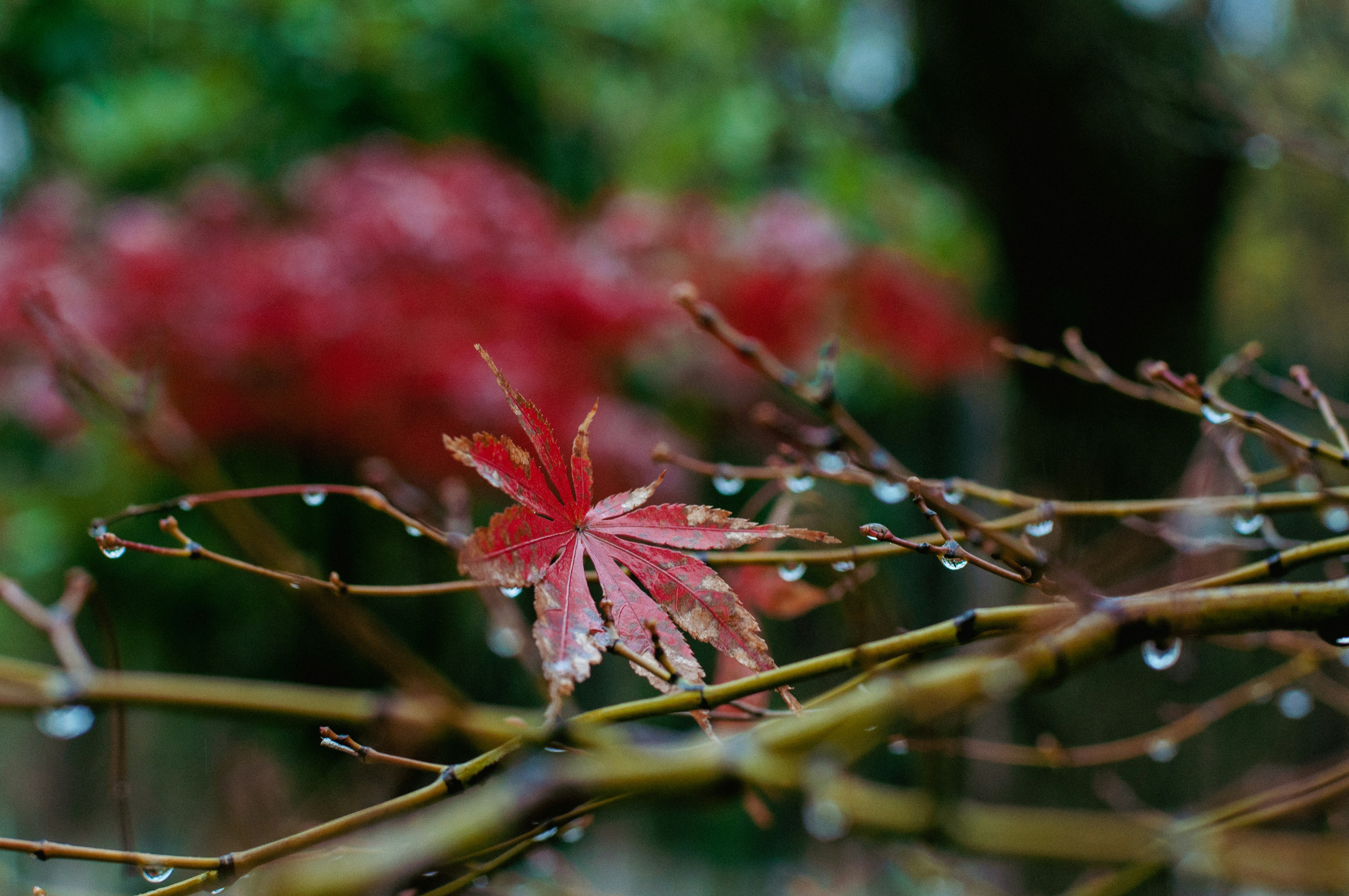
Autumn leaves are often treated as waste.
We gather them, bag them and remove them.
Yet fallen leaves perform important ecological functions.
They protect soil.
They provide shelter.
They gradually break down.
They return organic matter to the ground.
Leaves may need to be removed from paths, lawns or areas where they create practical problems, but they do not necessarily need to leave the garden.
They can be composted.
Turned into leaf mould.
Used as mulch where appropriate.
Or simply left beneath hedges and trees.
Allowing natural processes to continue in selected areas reduces work while supporting biodiversity.
A Little Untidiness Can Be Valuable
The idea of a well-maintained garden has traditionally been associated with neatness.
Lawns closely cut.
Leaves removed.
Borders cleared.
Dead stems cut down.
Every corner controlled.
But wildlife often needs exactly the things we remove.
Longer grass provides habitat.
Seed heads provide food.
Hollow stems offer shelter.
Leaves protect organisms at ground level.
Dense vegetation creates hiding places.
This does not mean abandoning the garden.
The answer can be intentional untidiness.
Keep the terrace tidy.
Maintain paths.
Shape the areas closest to the house.
Then allow another part of the garden to behave differently.
A patch of longer grass.
A quiet corner beneath a hedge.
A group of perennial stems left standing through winter.
Ecological richness and good design can coexist.
Rethinking the Lawn
Lawns provide valuable places for recreation and create visual openness within a garden.
They do not need to disappear.
But not every piece of grass needs to be maintained in exactly the same way.
Allowing selected areas to grow longer can create habitat and allow plants such as clover or daisies to flower.
Even changing mowing patterns can make a difference.
A neatly cut path through longer grass can look intentional while providing a more varied habitat.
Edges can remain short while quieter areas grow.
The result can be visually attractive as well as ecologically useful.
The goal is not necessarily to stop mowing.
It is to ask whether every part of the lawn needs the same treatment.
Reduce Unnecessary Chemical Intervention
A biodiverse garden contains insects.
Some will feed on our plants.
That can be difficult to accept.
Yet insects are also part of the food web we are trying to support.
Aphids may attract ladybirds and hoverfly larvae.
Caterpillars feed birds and eventually become moths or butterflies.
Not every damaged leaf represents a problem requiring immediate treatment.
Before intervening, observe.
Is the plant genuinely at risk?
Could natural predators help?
Can the affected area simply be tolerated?
Where action is necessary, choose the least disruptive approach appropriate to the situation.
A garden filled with wildlife cannot also be completely free from the signs that wildlife is present.
Sometimes a few imperfect leaves are evidence of a functioning ecosystem.
Biodiversity Through the Seasons
A wildlife-friendly garden should not exist only in summer.
Spring flowers provide early food.
Summer offers abundance.
Autumn brings fruit, seeds and shelter.
Winter structure provides protection during the most difficult months.
Thinking seasonally changes the way we garden.
Instead of cutting every perennial to the ground in autumn, we may leave seed heads.
Instead of removing every berry, we may leave some for birds.
Instead of clearing all leaves, we may allow some to remain.
The garden continues providing habitat even when we are spending less time outdoors.
Biodiversity is a year-round relationship.
Small Gardens Still Matter
It is easy to assume biodiversity gardening requires a large space.
It does not.
A small courtyard can contain flowering containers.
A balcony can grow herbs.
A window box can provide nectar.
A climbing plant can create vertical habitat.
One small tree can provide shade, flowers and shelter.
What matters is not simply the size of the garden but what it offers.
A small patch of habitat can become a stepping stone between larger green spaces.
For an insect travelling through a built-up area, a balcony filled with flowers may be exactly where it needs to stop.
Biodiversity Connects Us With Place
Supporting biodiversity has another effect.
It changes the way we experience our gardens.
When we begin recognising different visitors, the garden becomes more interesting.
We notice when the first bumblebees appear.
We recognise the return of a familiar bird.
We watch butterflies arrive with warmer weather.
We begin understanding which flowers attract the greatest activity.
The seasons become visible through wildlife as well as plants.
These observations create familiarity.
And familiarity creates connection.
The garden stops being merely something we look at.
It becomes somewhere we belong.
You Do Not Need to Identify Everything
There can be pressure to know the name of every species we encounter.
Identification can certainly deepen understanding.
But it is not a requirement for connection.
You can notice an unfamiliar bee without knowing its species.
You can appreciate a beetle without identifying it.
You can watch a bird before reaching for a field guide.
Curiosity can come first.
Knowledge can follow.
Sometimes simply recognising that another living thing shares our garden is enough to change how we treat the space.
Start With One Change
Creating a more biodiverse garden does not require an immediate transformation.
Choose one thing.
Plant a flowering herb.
Add a small water source.
Leave a patch of grass longer.
Plant a native shrub.
Allow some autumn leaves beneath a hedge.
Stop cutting back one group of perennials until spring.
Create a small log pile.
Then observe.
What changes?
What arrives?
What do you notice that you did not notice before?
One action often leads naturally to another.
From Garden to Living Landscape
Perhaps the greatest shift happens when we stop thinking about biodiversity as something we need to create from nothing.
Life is already trying to enter our gardens.
Seeds arrive on the wind.
Birds cross our boundaries.
Insects search for flowers.
Fungi colonise fallen wood.
Plants emerge in unexpected places.
Our role does not always need to be one of constant intervention.
Sometimes it is simply to make room.
To provide food.
To provide water.
To provide shelter.
To tolerate a little imperfection.
And to notice what happens next.
An everyday garden will never contain every species, nor should that be the goal.
What it can become is one small piece of a much larger network of living spaces.
A flower in one garden connects with a hedge in another.
A tree connects with a nearby park.
A pond becomes part of a wider landscape of water and shelter.
Individually, these choices may appear modest.
Collectively, they matter.
And perhaps there is another benefit too.
When we begin paying attention to the life sharing our gardens, we start seeing familiar places differently.
A flower becomes a source of food.
A fallen leaf becomes shelter.
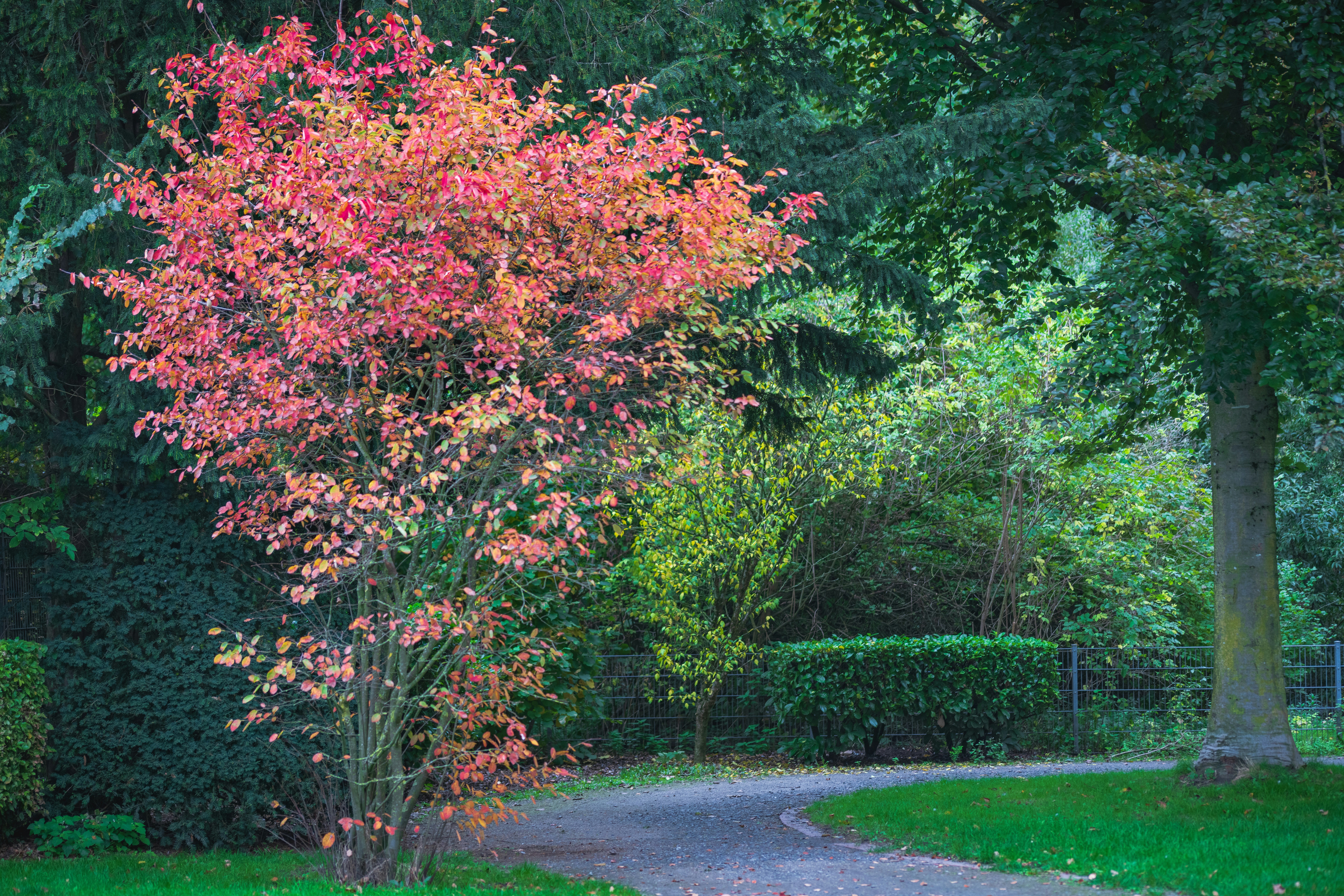
A tree becomes habitat.
A slightly untidy corner becomes somewhere life can continue undisturbed.
The garden becomes richer, not because we have filled it with more things, but because we have learned to recognise what was already there.
That is one of the quiet gifts of biodiversity.
It teaches us to notice.
And when we notice the living world around us, we begin to understand how deeply our own lives are connected with it.
About the author
Cameron Graves is a horticultural scientist, writer and founder of Garden Lovers Collective. Drawing on more than two decades of experience in horticulture, he explores the relationship between plants, gardens, nature and human wellbeing.

Leave a Reply