by Cameron Graves
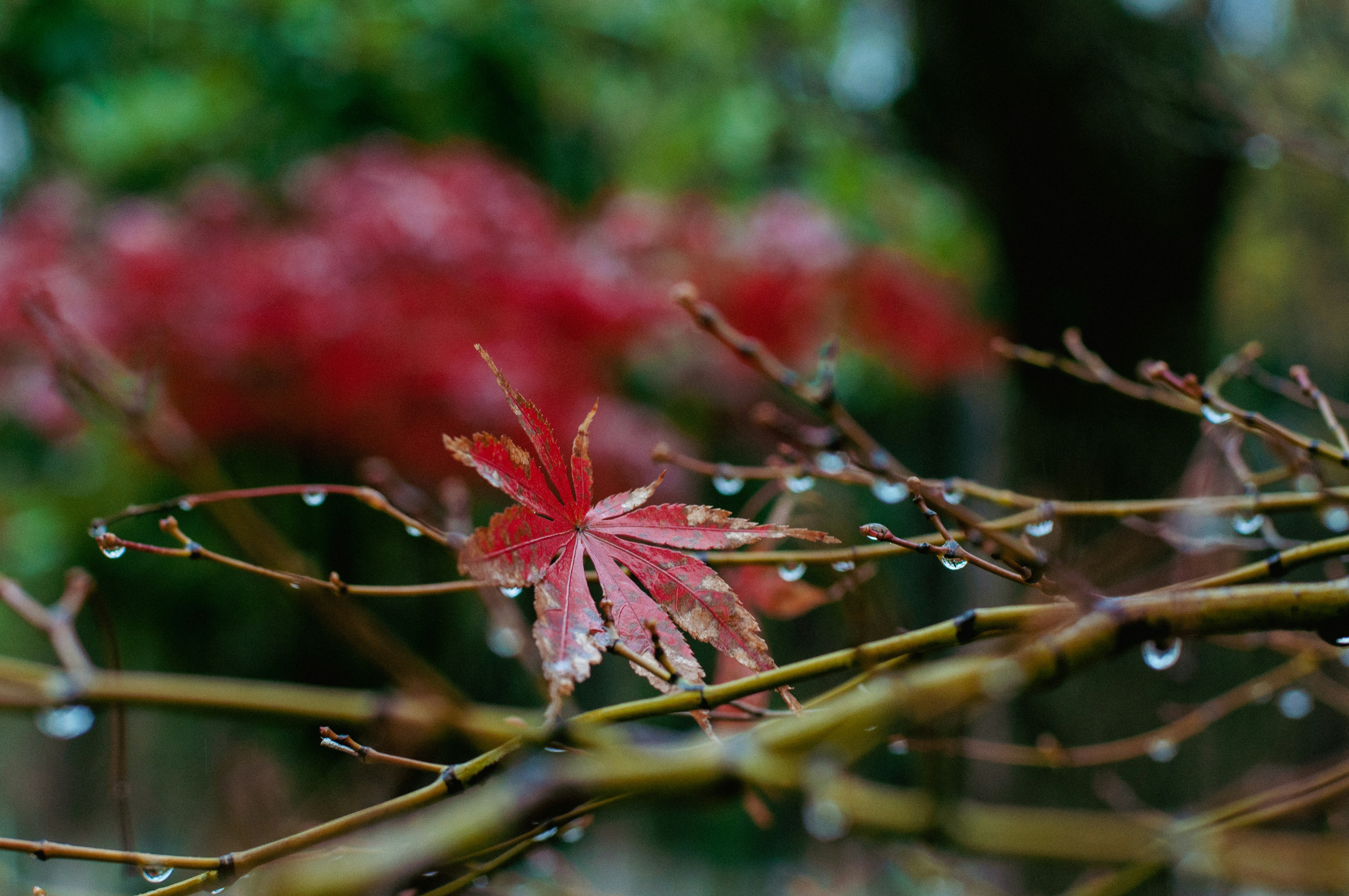
 Image © Garden Lovers Collective.
Exploring the quiet relationship between gardens, emotions and everyday life.
There are moments when a garden offers exactly what words cannot.
A quiet morning spent watering containers before the day begins. The familiar scent of rosemary carried on warm air. The satisfaction of watching the first seedling emerge after weeks of patient waiting. A robin following closely as the soil is gently turned.
These moments rarely announce themselves as significant.
Yet many gardeners recognise them instinctively.
They describe feeling calmer after spending time outdoors. They notice their thoughts becoming less hurried while pulling weeds or pruning shrubs. They find comfort in returning to familiar seasonal tasks, even during periods when other parts of life feel uncertain.
Gardening cannot remove every difficulty we face.
It cannot prevent loss, disappointment or stress.
What it can offer is something quieter.
It provides opportunities to slow down, reconnect with the present moment and participate in rhythms that are older and steadier than ourselves.
For many people, that experience becomes an important source of emotional wellbeing.
Understanding Emotional Wellbeing
Emotional wellbeing is not about feeling happy all the time.
Every life includes moments of joy, frustration, sadness, excitement, uncertainty and hope.
Rather than eliminating difficult emotions, emotional wellbeing is often described as our ability to experience these feelings while remaining connected to ourselves, other people and the world around us.
Some days we feel resilient.
Other days we feel overwhelmed.
This is part of being human.
Gardening does not promise constant happiness.
Instead, it offers an environment where many people discover moments of calm, purpose and gentle restoration.
Those moments may seem small.
Together, they can become meaningful.
The Garden Encourages Us to Slow Down
Much of modern life rewards speed.
Messages arrive instantly.
Schedules become increasingly full.
Many tasks are measured by efficiency and productivity.
Gardens operate differently.
Seeds cannot be hurried.
Trees mature over years rather than weeks.
Bulbs remain hidden beneath the soil until the conditions are right.
Flowers bloom according to weather, daylight and season—not according to our deadlines.
This slower pace invites us to adjust our own.
When we kneel to plant seedlings or gently water containers, attention naturally shifts towards the task itself.
Our breathing often slows.
Our focus narrows.
The future becomes less urgent.
The present becomes easier to notice.
Many gardeners recognise this change without consciously seeking it.
The garden gently encourages a different rhythm.
A Place Where Attention Finds Rest
Our attention is continually being asked to move from one thing to another.
Emails.
Phones.
Traffic.
Conversations.
News.
Notifications.
Gardens offer another kind of attention.
Rather than demanding immediate responses, they invite quiet observation.
The movement of grasses in the breeze.
A bee visiting lavender.
Light passing through leaves.
Water soaking slowly into the soil.
These experiences do not require analysis.
They simply ask us to notice.
Researchers have explored how natural environments may help restore directed attention after periods of mental fatigue. While gardening itself involves focus, it often does so in a gentle and varied way that many people find refreshing rather than exhausting.
The garden becomes somewhere our attention can settle instead of continually reacting.
Working With Our Hands
Gardening is deeply physical.
Hands touch soil.
Seeds are scattered.
Leaves are trimmed.
Branches are supported.
Tools become familiar through repeated use.
There can be something reassuring about this practical engagement.
Many gardening tasks have a beginning, a middle and an end.
A bed is prepared.
A plant is watered.
A weed is removed.
A container is refreshed.
These simple acts provide a sense of completion that is sometimes missing from modern work, where projects may continue for weeks or months without visible progress.
The body becomes involved as well as the mind.
Movement, fresh air and purposeful activity combine in ways that many people experience as deeply satisfying.
Finding Meaning in Small Successes
Gardens teach patience.
Not every seed germinates.
Not every plant thrives.
Weather changes unexpectedly.
Pests appear.
Mistakes happen.
Yet gardens also provide countless opportunities for small successes.
A cutting develops roots.
A rose flowers beautifully.
The first tomato ripens.
A newly planted tree begins producing fresh growth.
These achievements may appear modest, but they often carry genuine emotional value.
They remind us that care can lead to growth.
That effort can produce visible results.
That progress often occurs gradually rather than dramatically.
Gardening encourages us to celebrate small moments.
Over time, this can influence how we view progress elsewhere in life.
The Comfort of Seasonal Rhythms
Gardens move through familiar cycles.
Spring brings emergence.
Summer offers abundance.
Autumn encourages gathering and preparation.
Winter provides rest.
These rhythms continue regardless of what is happening elsewhere.
For many people, this continuity offers comfort.
During periods of personal change or uncertainty, the return of familiar seasonal events can create a sense of stability.
Snowdrops emerge.
Birds begin nesting.
Leaves change colour.
Bulbs are planted.
The garden reminds us that change is natural.
Nothing remains exactly the same.
Yet neither does anything remain permanently difficult.
Each season eventually gives way to another.
This perspective does not solve life’s challenges, but it can make them feel easier to carry.
Nature Reminds Us That We Are Part of Something Larger
It is easy to become absorbed by our own concerns.
Gardens gently expand our perspective.
A bee gathering nectar.
A blackbird collecting worms.
Earthworms improving the soil.
Fungi breaking down fallen leaves.
Flowers opening to pollinators.
Every visit reveals relationships that exist independently of us.
We begin recognising that gardens are living communities rather than collections of individual plants.
This awareness can create a sense of connection.
Instead of feeling separate from nature, we become participants within it.
Many people describe this as grounding.
The garden reminds us that life continues through countless small interactions unfolding every day.
Gardening Creates Gentle Routine
Routine often supports emotional wellbeing.
Gardens naturally encourage repeated acts of care.
Morning watering.
Weekly harvesting.
Seasonal pruning.
Checking seedlings.
Walking through the garden after work.
These activities become familiar.
They provide structure without feeling rigid.
Unlike many routines imposed by necessity, gardening routines are often chosen.
They become moments we look forward to rather than obligations we simply complete.
The repetition itself becomes comforting.
Learning Acceptance
Gardening teaches lessons that cannot easily be learned from books.
Some plants flourish.
Others struggle despite our best efforts.
Storms damage carefully tended borders.
Unexpected seedlings appear in places we never intended.
The garden asks us to respond rather than control everything.
Over time, many gardeners develop greater acceptance of uncertainty.
Weather cannot be managed.
Seasons cannot be rushed.
Growth cannot always be predicted.
Rather than creating frustration, this often encourages flexibility.
We adapt.
We observe.
We begin again.
The garden continually demonstrates that setbacks are part of growth rather than evidence of failure.
The Value of Quiet Observation
Not every visit to the garden needs to involve work.
Sometimes the most valuable thing we can do is simply sit.
Notice the changing light.
Listen to birdsong.
Watch butterflies move through the flowers.
Observe shadows crossing a lawn.
These moments may appear unproductive.
Yet they allow the garden to become more than a workplace.
It becomes somewhere to be rather than somewhere to achieve.
Many people discover that these quiet periods become among the most memorable parts of gardening.
Creating Spaces That Support Wellbeing
Different gardens support emotional wellbeing in different ways.
Some people feel restored in colourful cottage gardens filled with flowers.
Others prefer minimalist planting with grasses and simple forms.
Some enjoy productive vegetable gardens.
Others are drawn towards woodland planting or shaded courtyards.
There is no single design that suits everyone.
What matters is creating a space that feels welcoming to you.
This may include:
- A comfortable place to sit.
- Fragrant plants beside a path.
- Gentle movement created by ornamental grasses.
- Flowers that attract bees and butterflies.
- Trees providing shade.
- Seasonal colour that changes throughout the year.
The atmosphere matters as much as the individual plants.
Gardening Together
Although gardening is often experienced as a solitary activity, it can also strengthen relationships.
Families planting together.
Neighbours exchanging seedlings.
Community gardens bringing people together.
Garden clubs sharing knowledge.
Friends walking through a garden.
These shared experiences create conversation naturally.
Gardens provide common ground.
Plants become the starting point for connection.
The emotional benefits of gardening therefore arise not only from our relationship with nature, but also from the relationships gardening helps create with other people.
There Is No Perfect Garden
One of the quiet lessons gardening offers is that perfection is neither possible nor necessary.
Leaves develop blemishes.
Flowers fade.
Plants self-seed unexpectedly.
Lawns become uneven.
The garden remains alive precisely because it changes.
When we accept this, we often become kinder towards ourselves as well.
Our own lives need not be perfect before they become meaningful.
Growth includes mistakes.
Beauty includes imperfection.
The garden demonstrates this every season.
Gardening in Difficult Times
Many people turn towards gardens during periods of stress, grief or uncertainty.
Not because gardens provide simple answers.
But because they continue offering familiar rhythms.
There is comfort in watering a plant.
In sowing seeds.
In watching something grow.
In returning to the same tree each morning.
These activities do not replace professional support when it is needed.
However, they may provide valuable moments of steadiness alongside other forms of care.
The garden asks very little of us.
Only that we arrive.
Gardening in Small Spaces
Emotional wellbeing does not depend on owning a large garden.
A balcony filled with herbs.
A windowsill planted with basil.
A courtyard containing a favourite shrub.
A collection of containers.
Even a single plant can encourage observation and care.
What matters is not the size of the space.
It is the relationship we develop with it.
Connection grows through attention rather than acreage.
A Lifelong Conversation
Perhaps one of gardening’s greatest gifts is that it continues changing alongside us.
A young gardener notices different things from someone who has tended plants for decades.
Children delight in seeds becoming flowers.
Experienced gardeners recognise subtle seasonal changes.
Older gardeners often find satisfaction in slower observation and accumulated knowledge.
The garden evolves.
So do we.
Each season adds another chapter to the relationship.
A Quiet Source of Wellbeing
Gardening does not ask us to become different people.
It simply invites us to spend time with growing things.
To notice the changing seasons.
To care for living plants.
To observe rather than rush.
To participate rather than control.
Over time, these small acts can influence how we experience everyday life.
We become more patient.
More attentive.
More accepting of gradual change.
More connected with the natural world.
Emotional wellbeing rarely develops through one dramatic moment.
More often, it grows quietly through repeated experiences.
A morning spent watering seedlings.
A flower opening after weeks of waiting.
The scent of lavender on a warm afternoon.
A robin appearing beside freshly turned soil.
The first signs of spring after winter.
These moments may seem ordinary.
Yet they remind us of something important.
Life continues to grow, often quietly and gradually.
The garden reflects that truth every day.
And perhaps that is why so many people return to it, season after season—not only to care for plants, but to discover that, in gentle and unexpected ways, the garden is also caring for them.
About the author
Cameron Graves is a horticultural scientist, writer and founder of Garden Lovers Collective. Drawing on more than two decades of experience in horticulture, he explores the relationship between plants, gardens, nature and human wellbeing.

Leave a Reply