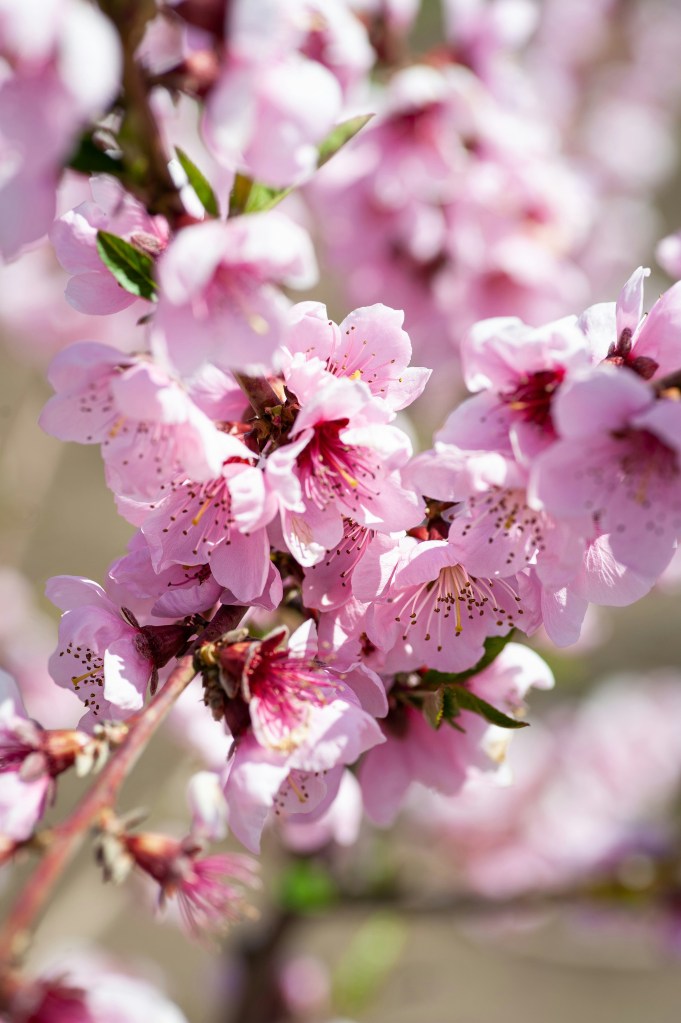
SPRING INTEREST PLANTS
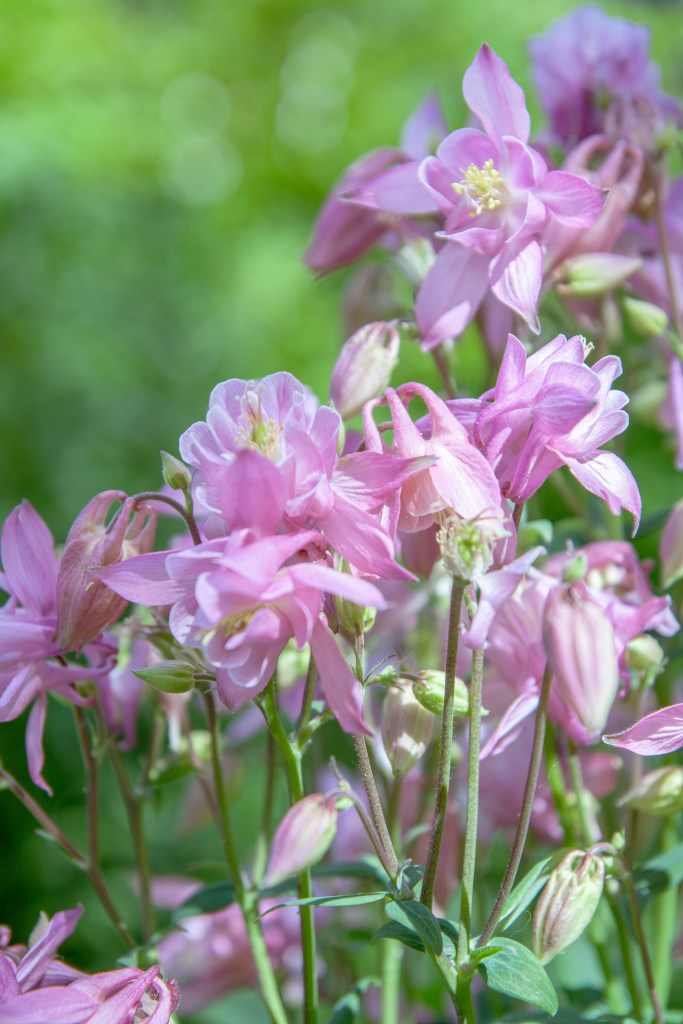
Spring Interest plants bring renewal, freshness, and vibrant seasonal energy into the garden as landscapes awaken from winter dormancy. This time of year is often marked by emerging foliage, flowering bulbs, blossom-covered trees, and the return of colour, fragrance, and movement throughout the landscape. Gardens filled with spring interest create a strong sense of optimism and seasonal transition, helping outdoor spaces feel uplifting, expressive, and full of life.
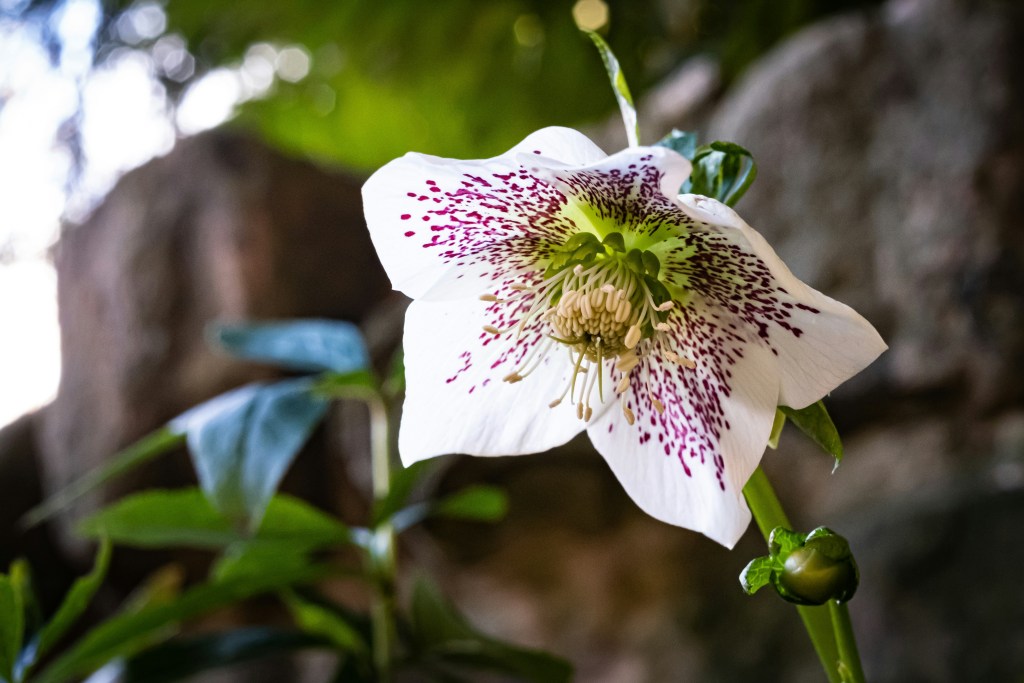
This section explores plants that provide beauty and seasonal impact throughout spring, including flowering bulbs, blossom trees, woodland perennials, flowering shrubs, fresh foliage plants, and early season pollinator-friendly species. Many of these plants are valued not only for their flowers, but also for the atmosphere they help create as gardens shift into active growth once again.
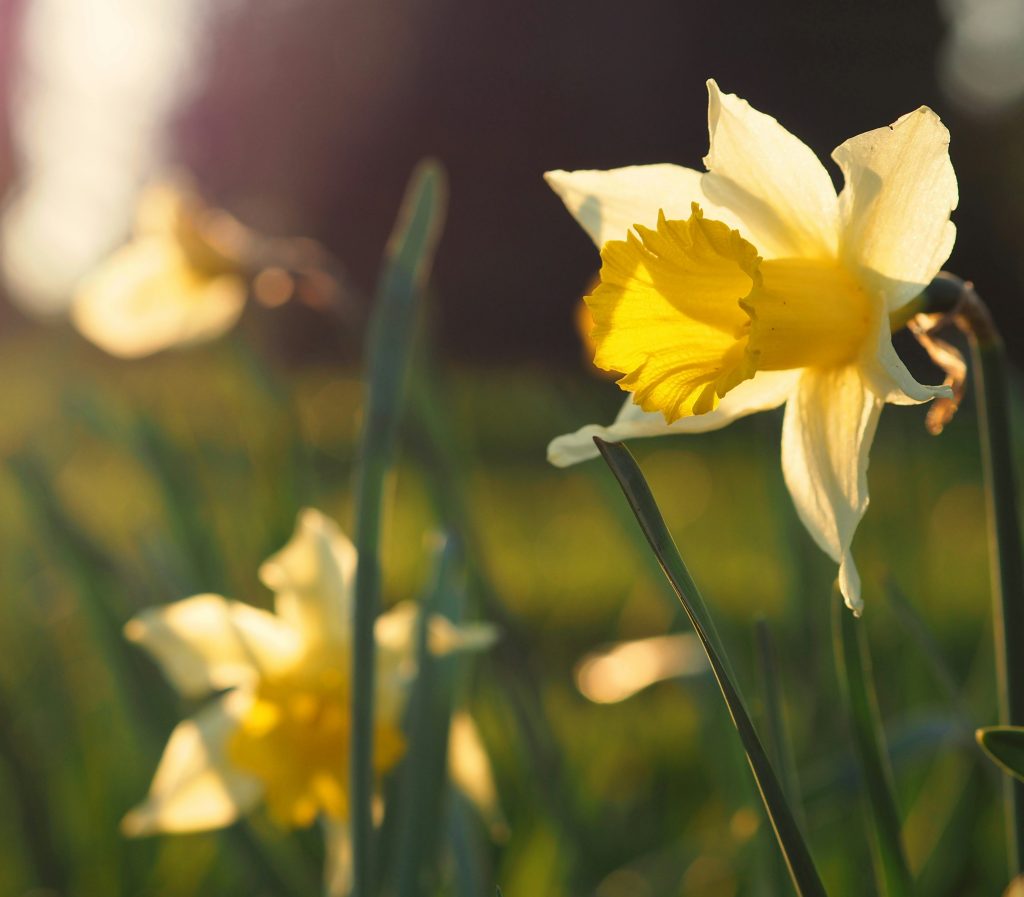
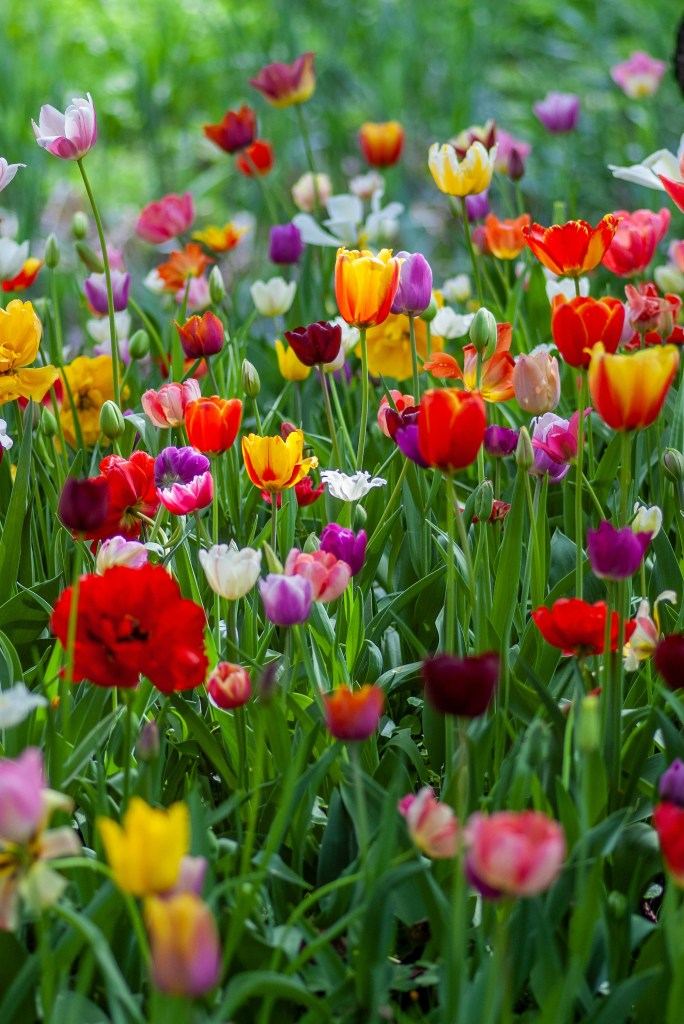
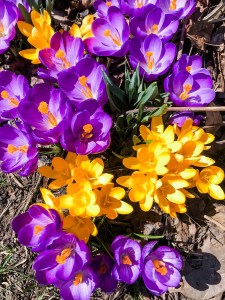
Spring flowering bulbs such as Daffodils, Tulips, Dutch Crocus, Hyacinths, and Alliums provide some of the earliest seasonal colour, often appearing while temperatures remain cool and deciduous trees are only beginning to leaf out. When planted in drifts or naturalistic groupings, these bulbs create layered displays that soften borders, pathways, lawns, and woodland gardens.
Flowering trees and shrubs also play an important role in spring interest planting. Magnolias, Camellias, Azaleas, Cherry Blossoms, Crab Apples, and Dogwoods contribute spectacular seasonal displays through blossom, fragrance, and delicate emerging foliage. These plants often become focal points within the garden during spring, creating moments of colour and seasonal drama before summer planting reaches maturity.
Fresh foliage is equally important during this season. Ferns unfurl new growth, deciduous trees develop soft green canopies, and emerging perennials begin adding texture and movement back into the landscape. The bright green tones of spring foliage help gardens feel rejuvenated and closely connected to the changing rhythms of nature.
Spring is also an especially valuable season for pollinators and biodiversity. Many spring flowering plants provide early nectar and pollen sources for bees, butterflies, and beneficial insects emerging after winter. Layering flowering bulbs, woodland plants, herbs, and native species can help support biodiversity while creating gardens that feel vibrant and ecologically balanced.
This category will eventually include plants suited to a wide range of spring garden styles including cottage gardens, woodland planting, cool-climate gardens, pollinator-friendly landscapes, naturalistic meadows, formal spring borders, and Mediterranean-inspired spaces.
Spring Interest planting is often most effective when layers of flowering times, foliage textures, and plant heights are combined thoughtfully throughout the garden. Early bulbs may transition into flowering perennials, while blossom trees and shrubs provide overhead structure and seasonal framing as the garden continues evolving toward summer.
Whether creating a soft woodland retreat filled with flowering bulbs, a blossom-filled courtyard garden, or a layered seasonal border bursting with colour and new growth, spring interest plants help shape gardens that feel hopeful, restorative, and deeply connected to the rhythms of seasonal renewal. Their flowers, textures, fragrance, and emerging foliage bring lightness and movement into the landscape, marking one of the most uplifting and transformative periods within the gardening year.