DUTCH CROCUS
Crocus vernus

Plant Overview
Dutch Crocus are among the earliest flowering bulbs of late winter and early spring, admired for their vibrant cup-shaped flowers and ability to bring colour and seasonal life into the garden at the close of winter. Their appearance often signals the transition between winter dormancy and the beginning of spring growth, making them one of the most uplifting and recognisable early seasonal flowers.
Widely planted in lawns, borders, woodland gardens, rockeries, and containers, Dutch Crocus are valued for their naturalising ability and low-maintenance nature. Their flowers emerge at a time when little else may be in bloom, providing important seasonal interest while also offering an early nectar source for bees and pollinators emerging from winter.
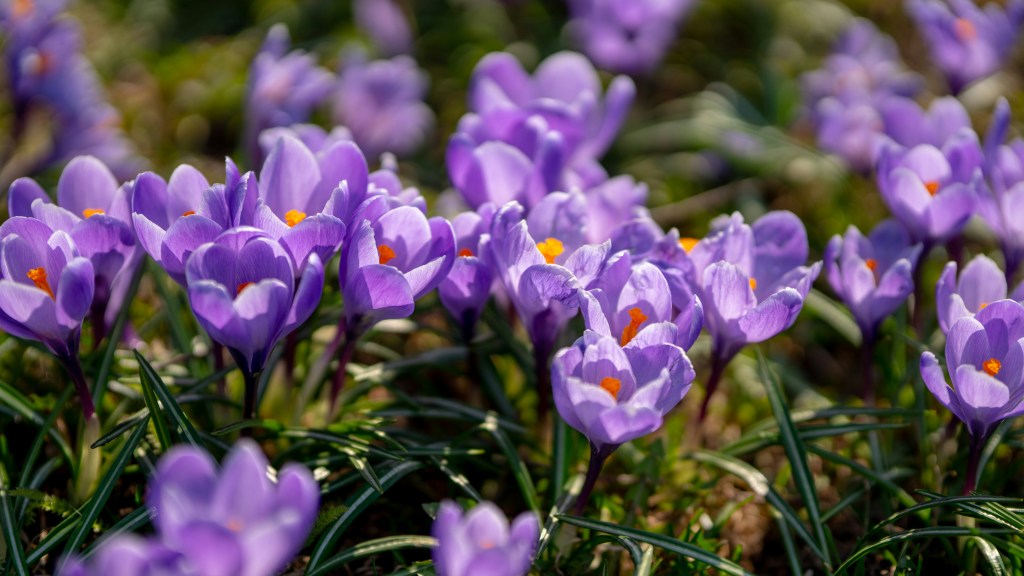
Dutch Crocus are especially effective when planted in drifts or scattered naturally through lawns and garden beds, where they create soft carpets of seasonal colour and movement.
Appearance & Growth Habit
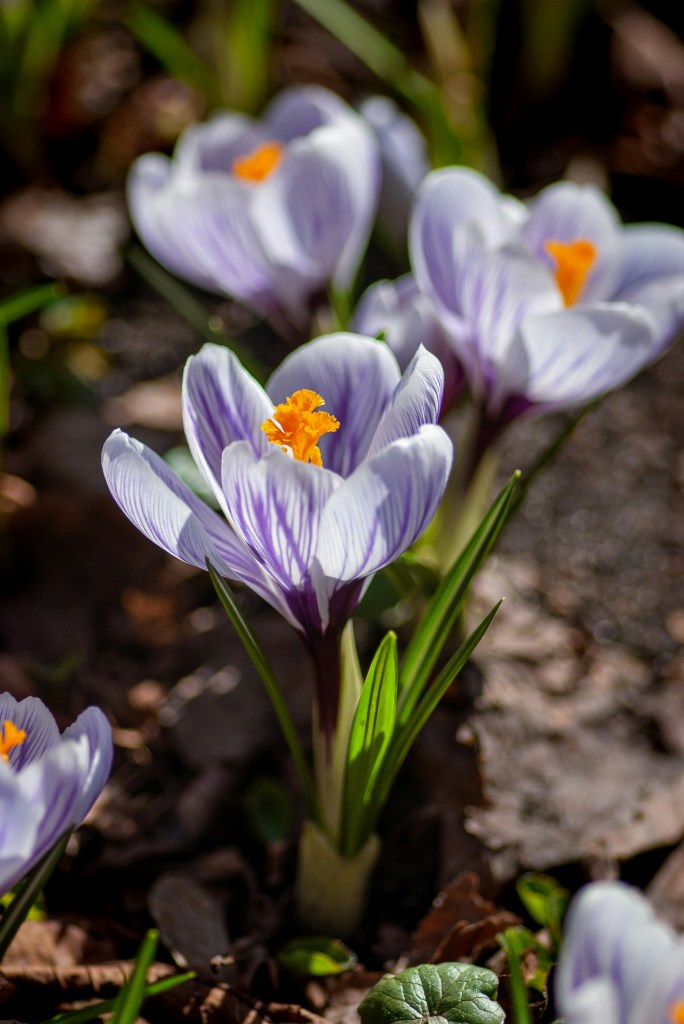
Dutch Crocus emerge from small underground corms during late winter and early spring, producing narrow grass-like foliage followed by upright goblet-shaped flowers.
Flowers appear in shades of purple, lavender, white, yellow, striped lilac, and soft silver-blue tones depending on the cultivar. Many flowers feature contrasting centres or subtle striping which becomes especially noticeable in sunlight.
Plants typically remain compact, growing between 10 and 15 centimetres in height, making them ideal for the front of borders, rockeries, pathways, and naturalised planting.
The flowers open fully during sunny conditions and gently close during cooler weather or lower light, creating subtle movement and seasonal rhythm within the garden.
Growing Conditions
Dutch Crocus grow best in full sun to partial shade with well-drained soil enriched with organic matter.
Corms are generally planted during autumn before winter dormancy, allowing roots to establish before flowering begins in late winter or early spring.
They perform especially well beneath deciduous trees where spring sunlight reaches the ground before canopy foliage develops later in the season.
Dutch Crocus are highly adaptable and suitable for lawns, meadow planting, containers, woodland gardens, rockeries, and mixed spring bulb displays.
Good drainage is important, particularly during dormancy, as excessively wet conditions may reduce long-term performance.
Care & Maintenance
Dutch Crocus are considered very low maintenance once established.
Watering is generally only required during prolonged dry periods, as seasonal rainfall is often sufficient during their active growth cycle.
After flowering, foliage should be left intact until it naturally yellows and dies back. This allows energy to return to the corms and supports strong flowering the following year.
Naturalised plantings may gradually spread and become denser over time under favourable conditions.
Corms can be lifted and divided during dormancy if overcrowding occurs or flowering performance begins to decline after many years.
Seasonal Notes
Dutch Crocus are strongly associated with late winter and early spring, often appearing while temperatures remain cool and other plants are only beginning to emerge from dormancy.
Their flowers provide one of the earliest seasonal nectar sources for bees and pollinators, making them especially valuable for biodiversity-focused gardens.
As spring progresses and temperatures rise, the foliage gradually dies back before the corms enter dormancy through summer and autumn.
Their early flowering habit makes Dutch Crocus especially important for introducing colour, movement, and optimism into the garden during seasonal transition periods.
Uses
Dutch Crocus are widely used in spring bulb displays, woodland gardens, naturalised lawns, rockeries, pathways, containers, and mixed perennial borders where their flowers provide early seasonal colour and softness.
They pair beautifully with daffodils, snowdrops, hellebores, and other early flowering bulbs to create layered spring planting combinations.
When planted in large drifts, Dutch Crocus create naturalistic carpets of colour that help soften landscapes and bring a gentle sense of renewal into outdoor spaces.
Beyond their ornamental value, Dutch Crocus contribute seasonal rhythm, pollinator support, and a strong emotional connection to the arrival of spring, helping create gardens that feel hopeful, restorative, and closely aligned with the changing seasons.