PANSY
Viola x wittrockiana
Plant Overview
Pansies are cool-season flowering annuals admired for their cheerful blooms, compact growth habit, and ability to provide colour during spring, autumn, and milder winter periods. Their wide range of flower colours and distinctive patterned faces make them a popular addition to borders, containers, window boxes, and seasonal displays.
Pansies are especially valued for bringing colour and softness into the garden during cooler months when many other flowering plants may be less active. Their adaptable nature and relatively easy-care requirements make them suitable for both beginner gardeners and more established seasonal planting schemes.
With their long flowering period and compact form, Pansies are particularly effective within smaller gardens, container arrangements, and pathway planting where their flowers can be appreciated more closely.
Appearance & Growth Habit
Pansies form compact mounding plants that typically grow between 15 and 25 centimetres in height depending on the cultivar. Plants produce soft green foliage and numerous rounded flowers held above the leaves on short stems.
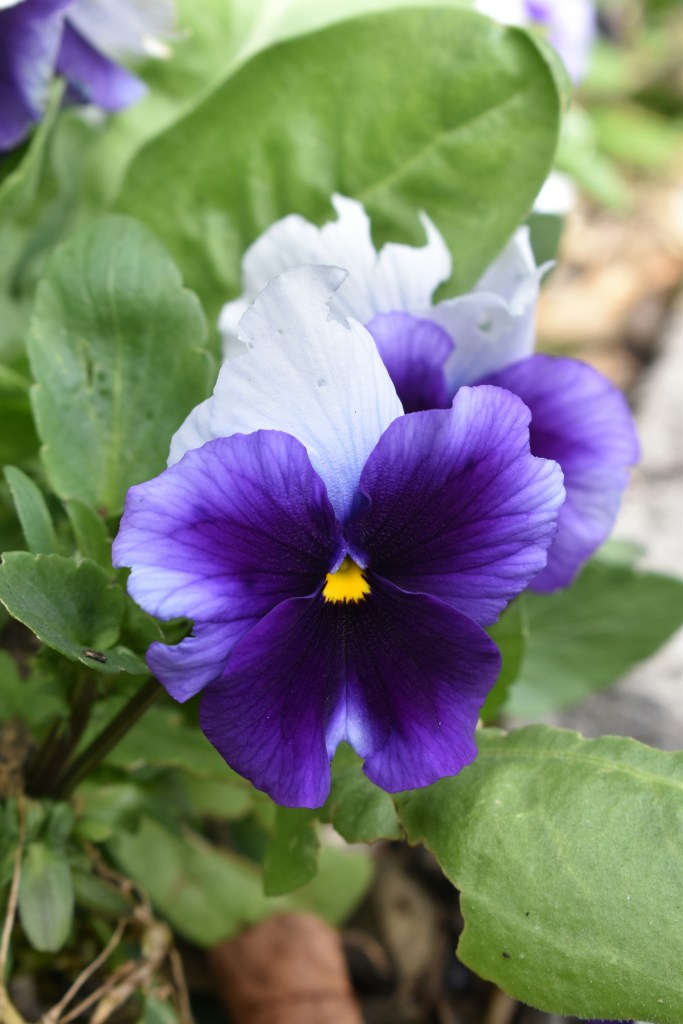
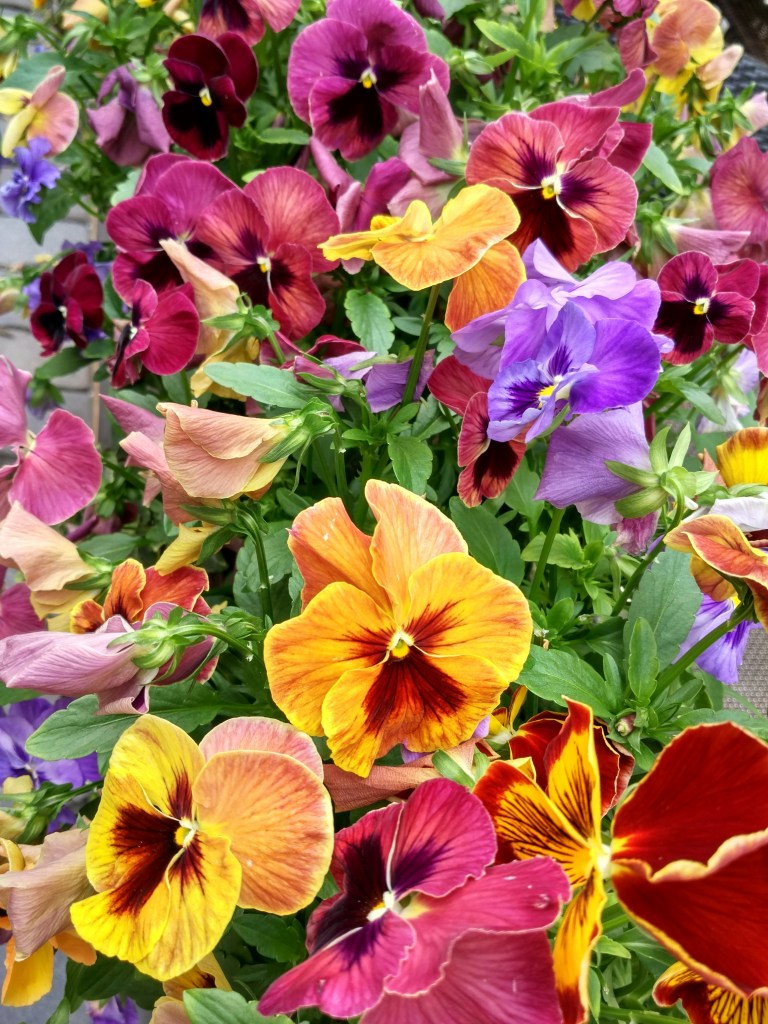
Flowers are available in an extensive colour palette including white, yellow, blue, purple, pink, burgundy, orange, and near-black tones, often featuring contrasting centres or distinctive facial markings.
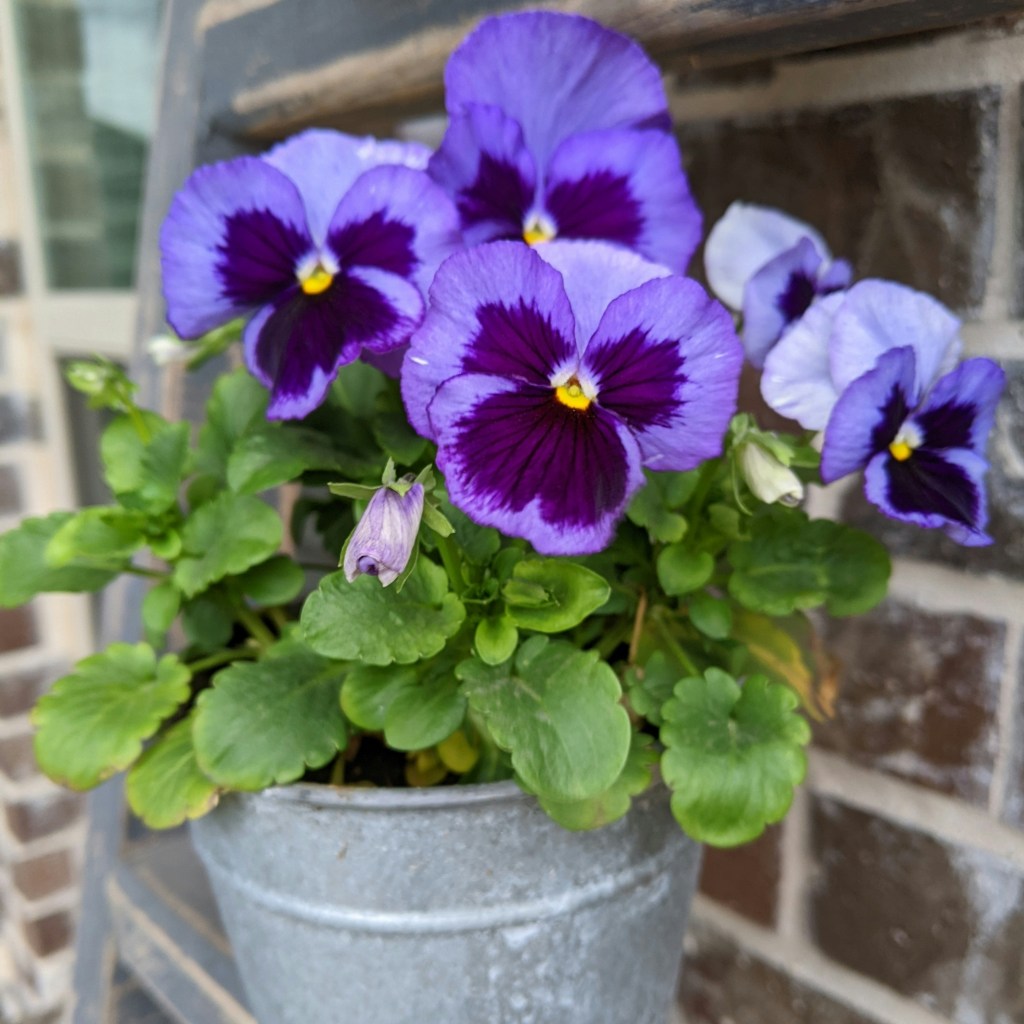
Their compact and tidy growth habit makes them especially suitable for edging, pots, hanging baskets, raised beds, and seasonal mass planting. Flowering is often continuous throughout cooler seasons when plants are regularly maintained.
Growing Conditions
Pansies grow best in full sun to partial shade positions with fertile, moisture-retentive but well-drained soil. Cooler temperatures encourage stronger flowering and healthier plant development.
Seeds can be sown during late summer or early autumn for winter and spring flowering, while nursery-grown plants are commonly planted throughout cooler seasons.
Pansies are highly versatile and suitable for containers, borders, pathways, window boxes, and mixed seasonal planting displays.
Care & Maintenance
Regular watering helps maintain healthy flowering, particularly during dry periods or for plants grown in containers. Removing spent flowers encourages continued blooming and helps keep plants neat and productive.
Applying compost or balanced fertiliser during planting supports strong flowering throughout the season. During warmer conditions, flowering may temporarily reduce as plants become stressed by excessive heat.
Good airflow and avoiding excessive waterlogging can help reduce disease issues during cooler wet weather.
Seasonal Notes
Pansies are strongly associated with cooler-season gardening and are commonly grown during autumn, winter, and spring. Their flowers often continue through mild winters, bringing valuable colour and seasonal interest during quieter times of the year.
In warmer climates or during intense summer heat, plants may gradually decline as temperatures rise.
Their ability to provide long-lasting seasonal colour during transitional periods makes them especially valuable for extending interest across multiple seasons.
Uses
Pansies are widely used in borders, pots, hanging baskets, pathways, and seasonal container displays where their colourful blooms help brighten outdoor spaces during cooler months.
Their compact growth habit makes them ideal for layering beneath taller seasonal plants or creating coordinated colour displays within formal and informal gardens alike.
Pansies also contribute softness and seasonal charm to entrances, patios, courtyards, and windowsills where their flowers can be appreciated at close range.
Beyond their ornamental value, their long flowering season and approachable nature help create gardens that feel welcoming, uplifting, and closely connected to seasonal change.