VIOLA
Viola cornuta & hybrids
Plant Overview
Violas are compact flowering annuals and short-lived perennials valued for their delicate blooms, long flowering season, and ability to provide colour throughout cooler parts of the year. Closely related to pansies, violas are often smaller in flower size but more prolific in bloom, creating soft carpets of seasonal colour across garden beds, containers, and borders.
Their adaptable nature and extended flowering period make them especially suitable for spring, autumn, and mild winter planting schemes where they help maintain colour and softness during seasonal transitions.
Violas are also appreciated for their gentle fragrance in some cultivars and their ability to self-seed lightly under favourable conditions.
Appearance & Growth Habit
Violas form low-growing mounding plants that typically reach between 10 and 20 centimetres in height. Plants produce numerous small flowers held above compact foliage, creating dense seasonal displays of colour.
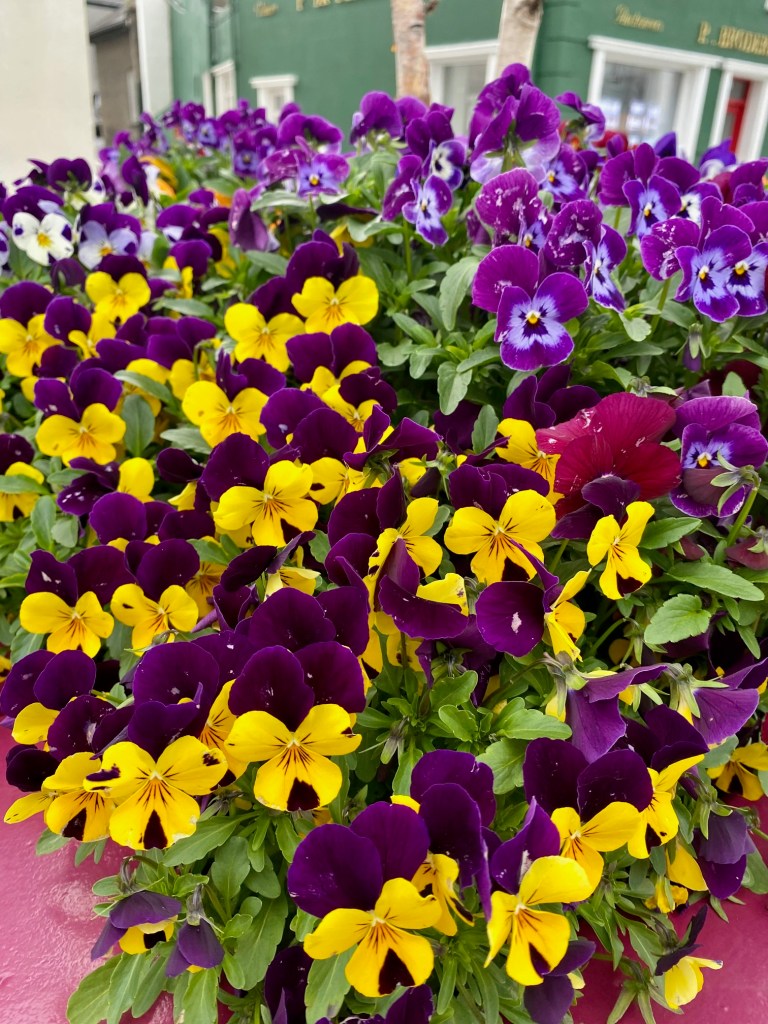
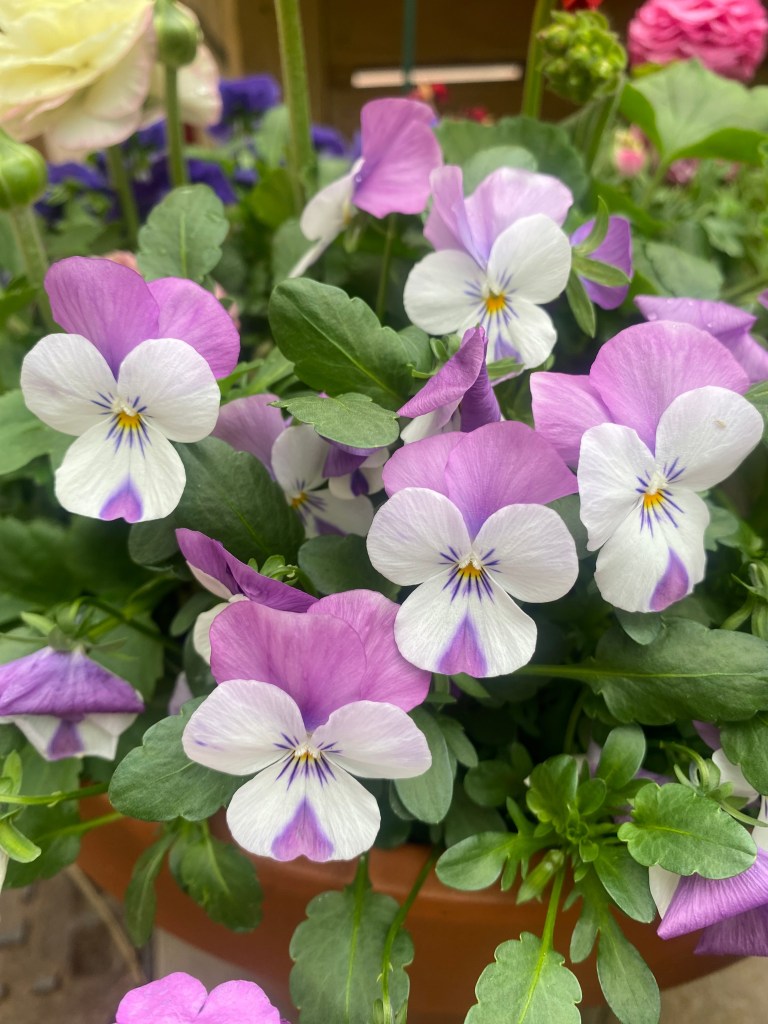
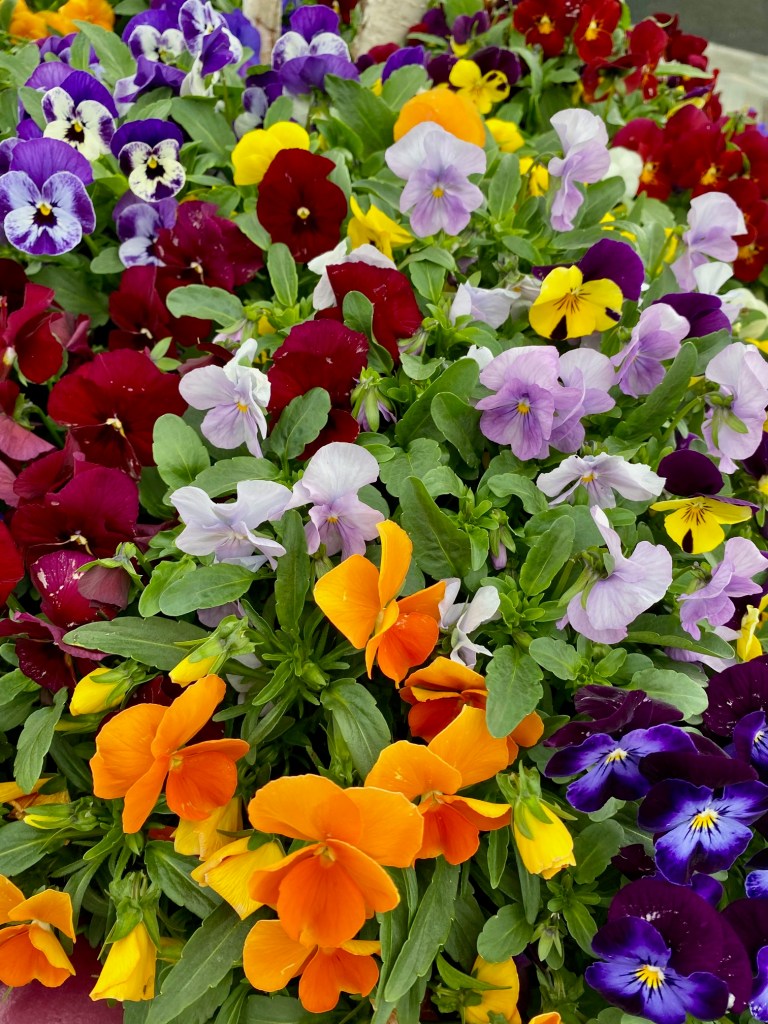
Flowers appear in a wide range of colours including purple, yellow, blue, white, pink, burgundy, and bi-coloured combinations. Many cultivars feature softly blended tones and delicate markings that contribute a more natural and understated appearance within planting schemes.
The foliage remains compact and tidy, making violas especially suitable for edging, pathways, rockeries, pots, hanging baskets, and mixed seasonal containers.
Growing Conditions
Violas grow best in full sun to partial shade with fertile, moisture-retentive but well-drained soil. Cooler growing conditions encourage prolonged flowering and healthy plant growth.
Seeds may be sown during late summer or autumn for winter and spring flowering, although young nursery-grown plants are also widely available during cooler seasons.
Violas are particularly effective in containers, borders, raised beds, and smaller garden spaces where their fine flowers can create layered seasonal colour.
Care & Maintenance
Regular watering helps support continued flowering, especially during dry periods or in containers where soil moisture can reduce quickly.
Removing spent flowers encourages fresh blooms and helps extend flowering well into spring. Light feeding throughout active growth can help maintain healthy flowering and foliage.
Violas generally require little maintenance once established and are considered highly rewarding for beginner gardeners due to their long flowering season and adaptable nature.
Seasonal Notes
Violas are strongly associated with cool-season planting and are often used to provide colour from autumn through spring. Their flowers may continue through milder winter periods, bringing softness and seasonal brightness during colder months.
As temperatures rise during late spring and summer, flowering often slows and plants may gradually decline depending on local climate conditions.
In favourable environments, some violas may lightly self-seed and reappear during following seasons.
Uses
Violas are commonly used for edging, pathways, containers, hanging baskets, and seasonal mass planting where their smaller flowers help create soft and naturalistic displays.
Their compact habit and extended flowering season make them ideal for adding colour to smaller gardens, courtyards, patios, and windowsills.
Violas also contribute beautifully to sensory and wellbeing-focused gardens due to their delicate flowers and softer visual character.
Beyond their ornamental use, violas help create gardens that feel gentle, layered, and seasonally expressive throughout cooler parts of the year.