By Cameron Graves
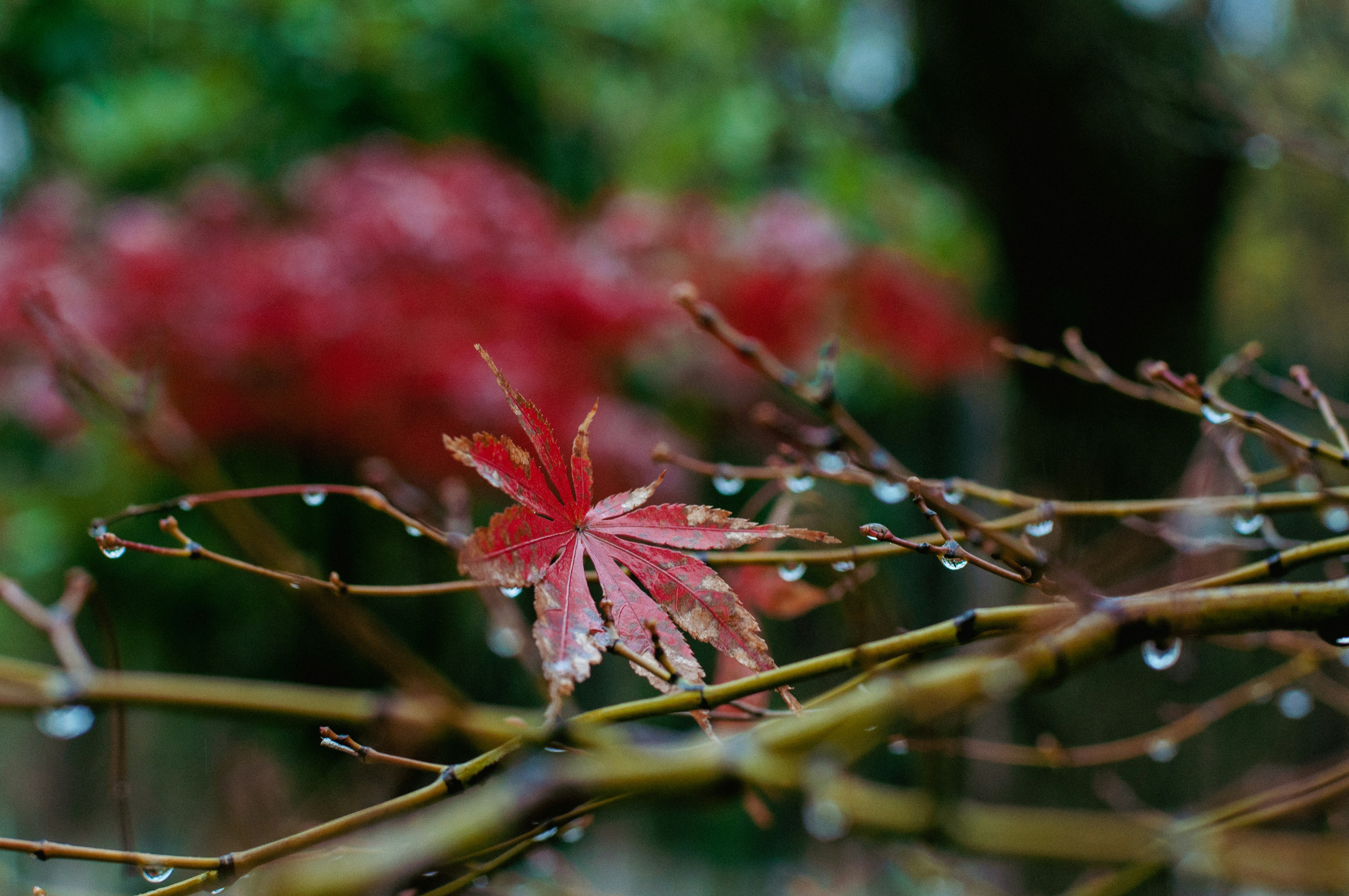
 Credit: Photo by Oliver Hihn on Unsplash
Learning to embrace nature’s rhythm of release, renewal and quiet transformation.
There is a quiet moment each year when the garden begins to change.
The vibrant greens of summer soften into gold, amber and crimson. Flowers that seemed endless begin to fade. Seed heads dry in the afternoon sun, leaves loosen their grip on branches, and the pace of growth gently slows. At first, the changes are almost imperceptible. Then, almost overnight, the garden feels different.
For some, this transition can feel bittersweet. The abundance of one season gives way to the stillness of another, reminding us that nothing in nature remains the same forever. Yet if we spend time observing the garden closely, we discover that these seasonal changes are not signs of decline but expressions of a deeper rhythm.
Nature does not fear change.
It does not resist endings.
Instead, it moves gracefully through cycles of growth, rest and renewal.
Perhaps this is one of the greatest lessons a garden can offer us.
The Wisdom of Seasonal Change
Modern life often celebrates constant growth.
We are encouraged to achieve more, accumulate more, improve more and remain productive throughout every season of life. Rest can feel unearned, slowing down may seem like falling behind, and letting go is often viewed as failure rather than wisdom.
The garden tells a different story.
Every season has its purpose.
Spring invites emergence.
Summer celebrates growth.
Autumn encourages release.
Winter offers restoration.
None of these seasons is more important than another. Together they form a complete cycle, each preparing the way for what follows.
Without autumn, trees would struggle to conserve energy for winter.
Without winter dormancy, many plants would never flower again.
Without periods of apparent stillness, there would be no renewed growth.
Nature reminds us that letting go is not the opposite of living well. It is part of living well.
Leaves That Know When to Fall
Few sights are as familiar as leaves drifting gently from deciduous trees.
It is easy to think of falling leaves as the end of something beautiful. Yet from the tree’s perspective, releasing its leaves is an act of remarkable wisdom.
As daylight shortens and temperatures fall, trees begin reclaiming valuable nutrients from their leaves before allowing them to drop. This process helps conserve resources through winter while reducing water loss and protecting branches from damage caused by snow and strong winds.
The tree lets go not because it is weak, but because it understands the season has changed.
There is no struggle.
No hesitation.
No attempt to hold onto what can no longer be sustained.
The leaves have fulfilled their purpose.
The tree trusts there will be another spring.
What We Hold Onto
Gardens often invite us to consider what we carry with us.
Old expectations.
Unfinished plans.
Perfectionism.
Disappointments.
Habits that no longer serve us.
Just as overcrowded plants compete for light and nutrients, our lives can become cluttered with commitments, worries and routines that quietly drain our energy.
Letting go does not always mean making dramatic changes.
Sometimes it simply means recognising what has reached its natural conclusion.
A gardener knows when a spent annual has completed its life cycle.
A flower is not diminished because it has finished blooming.
Its purpose has simply changed.
Its seeds may nourish birds.
Its fading stems may shelter insects.
Its remains may enrich the soil.
Even in letting go, nature continues to contribute.
Perhaps our own endings can hold similar value.
The Beauty of Impermanence
Many gardens are beautiful precisely because they change.
Imagine if spring blossoms never faded.
If autumn colours remained all year.
If every flower stayed permanently in bloom.
The garden would lose its rhythm.
Its beauty lies not only in what appears but in the anticipation created by continual change.
Each season becomes precious because it is temporary.
This awareness encourages us to appreciate the present rather than assume it will last forever.
The first blossom feels special because winter came before it.
The final rose of summer carries meaning because colder days are approaching.
Impermanence is not something nature apologises for.
It is one of its greatest gifts.
Compost: The Garden’s Quiet Transformation
One of the most powerful symbols of letting go can often be found in the compost heap.
Dead leaves.
Spent flowers.
Prunings.
Vegetable scraps.
Materials that once appeared finished begin another journey beneath the surface.
With time, moisture and countless microorganisms, they are transformed into rich organic matter capable of supporting new life.
Nothing is wasted.
The garden teaches that endings can become beginnings in ways we cannot always see immediately.
This transformation happens slowly.
There are no shortcuts.
The compost cannot be hurried.
Like many meaningful changes in life, it unfolds quietly beneath the surface before becoming visible.
Pruning for Future Growth
Gardeners understand that pruning can feel counterintuitive.
Removing healthy branches appears destructive.
Yet careful pruning often encourages stronger growth, improved flowering and healthier plants.
By removing what is no longer serving the plant, energy can be redirected where it is needed most.
The same principle sometimes applies beyond the garden.
Letting go of unnecessary obligations creates space for meaningful ones.
Releasing unrealistic expectations allows appreciation to grow.
Reducing busyness can make room for curiosity, creativity and rest.
Pruning is not about loss.
It is about making space.
Learning to Trust the Seasons
One reason many people struggle with letting go is uncertainty.
What happens next?
What if nothing replaces what has been lost?
Nature rarely provides immediate answers.
When bulbs disappear beneath the soil, there is little visible evidence of the flowers they will eventually become.
When deciduous trees stand bare in winter, it can be difficult to imagine their spring canopy.
Yet the garden quietly teaches trust.
Dormancy is not absence.
Stillness is not failure.
Much of nature’s most important work happens beyond our immediate view.
Roots continue developing beneath the soil.
Seeds wait patiently for favourable conditions.
Microorganisms enrich the earth.
Preparation often occurs long before visible growth appears.
Slowing Down Enough to Notice
Perhaps the greatest obstacle to recognising these lessons is not a lack of nature but a lack of attention.
Seasonal transitions are gradual.
A single leaf turning colour may go unnoticed.
A new bird arriving in the garden might be overlooked.
The changing angle of afternoon light often escapes our attention entirely.
Slow observation transforms ordinary gardens into places of continual discovery.
Keeping a seasonal journal.
Photographing the same tree each month.
Noting the first blossom, the first frost or the arrival of migrating birds.
These simple practices reveal patterns that would otherwise remain invisible.
The more closely we observe the seasons, the more we begin to understand that change is not something that happens to the garden.
Change is the garden.
Living More Seasonally
Many cultures throughout history have lived in closer relationship with seasonal rhythms than we often do today.
Food, celebrations, work and rest naturally followed the changing landscape.
Modern life has reduced some of these distinctions. Artificial lighting, climate control and global food production mean we can often live without noticing the seasons at all.
Gardens gently reconnect us with these natural rhythms.
We begin eating what is in season.
We notice sunrise shifting across the months.
We anticipate spring bulbs.
We welcome autumn colour.
Rather than seeing each season as an obstacle, we learn to appreciate its unique gifts.
This seasonal awareness often extends beyond the garden into everyday life.
We become more accepting of periods of activity and periods of rest.
We recognise that productivity is not the only measure of a meaningful life.
Like the garden, we too have seasons.
A Garden That Teaches Acceptance
Perhaps one of the most comforting aspects of gardening is that it never asks us to remain the same.
Each visit to the garden reveals subtle differences.
A flower has opened.
A leaf has fallen.
Rain has softened the soil.
A bird has nested nearby.
Nothing remains fixed.
Neither do we.
Gardening quietly reminds us that change is not something to fear but something to participate in with curiosity and care.
As gardeners, we sow seeds knowing not all will germinate.
We plant bulbs months before they flower.
We prune with hope rather than certainty.
We prepare beds for seasons we cannot yet see.
Every act of gardening is, in some way, an expression of trust.
Embracing the Cycle
Letting go is rarely easy.
Whether we are releasing expectations, routines, possessions or stages of life, change often carries uncertainty.
The garden does not remove that uncertainty.
Instead, it offers reassurance.
It reminds us that endings are woven into beginnings.
That apparent stillness often hides unseen growth.
That nothing in nature blooms forever, yet nothing remains dormant forever either.
The changing seasons invite us to loosen our grip on what no longer belongs to the present and to trust that each ending creates space for something new.
As another season quietly arrives, perhaps the garden asks only one thing of us.
Notice.
Notice what is fading.
Notice what is emerging.
Notice what the season is asking you to release.
And, like the trees that surrender their leaves each autumn without fear, trust that letting go is not the end of the story.
It is simply nature making room for what comes next.
About the author
Cameron Graves is a horticultural scientist, writer and founder of Garden Lovers Collective. Drawing on more than two decades of experience in horticulture, he explores the relationship between plants, gardens, nature and human wellbeing.

Leave a Reply