By Cameron Graves
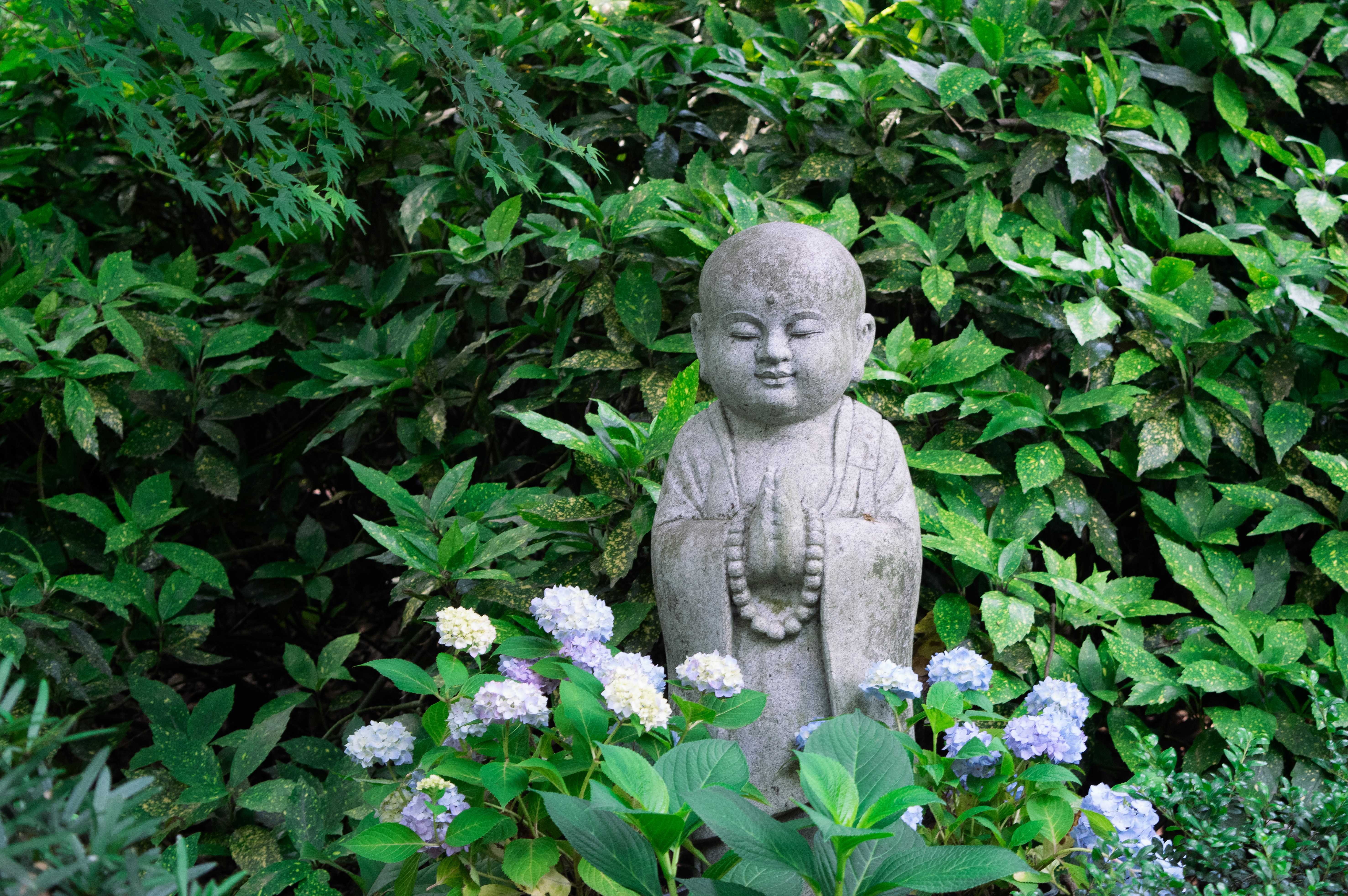
 Image Credit: Photo by Florian Siedl on Unsplash
Discovering a More Intentional Relationship with Your Garden
In a world that often encourages us to do more, move faster and constantly strive for productivity, gardening offers something increasingly rare: permission to slow down. Slow gardening isn’t about doing less for the sake of it. It’s about making space to notice more.
Many of us begin gardening with practical goals in mind. We want colourful borders, healthy vegetables, tidy lawns or a beautiful outdoor space to enjoy with family and friends. While these aspirations are worthwhile, something interesting often happens along the way. The garden begins to change us as much as we change it.
Without realising it, we start noticing the first unfurling fern in spring, the scent of lavender on a warm afternoon or the familiar call of birds returning to nest each year. Time spent in the garden becomes less about completing a list of tasks and more about experiencing the subtle rhythms of the natural world.
This is the essence of slow gardening.
Slow gardening is not a particular gardening style or design trend. It is a mindset. It encourages us to exchange urgency for curiosity, perfection for progress and constant activity for thoughtful observation. Rather than rushing through the garden with a checklist, slow gardening invites us to become participants in nature’s rhythms rather than simply managers of our landscapes.
More Than Slowing Down
The phrase “slow gardening” can be misleading. It is not about working slowly for the sake of it, nor does it suggest neglecting your garden or abandoning good horticultural practices.
Instead, slow gardening asks us to become more intentional.
It encourages us to observe before acting.
To understand before changing.
To appreciate before improving.
When we garden this way, every task becomes an opportunity to notice something new. Pulling weeds reveals the changing structure of the soil. Watering becomes a chance to observe insects visiting flowers. Pruning helps us understand how plants grow and respond to care.
Gardening shifts from being something we complete to something we experience.
Learning from Nature’s Pace
Nature rarely works according to our schedules.
Seeds germinate when conditions are right.
Trees grow over decades rather than weeks.
Bulbs remain hidden beneath the soil for months before emerging.
Leaves fall without apology each autumn.
The garden reminds us that growth follows its own timetable.
Modern life often teaches us to expect immediate results. We can order almost anything with a few clicks, receive information instantly and measure success by productivity. Gardens gently challenge these expectations.
No amount of impatience will make a rose bloom earlier.
No amount of rushing will persuade an oak tree to mature in a single season.
Nature demonstrates that meaningful growth often requires time, consistency and favourable conditions.
Slow gardening encourages us to embrace this wisdom rather than resist it.
Observation Before Intervention
One of the defining characteristics of slow gardening is learning to observe before taking action.
Imagine discovering yellowing leaves on a favourite plant. Our first instinct may be to fertilise, water or replace it. However, a slower approach encourages us to pause.
Has the weather changed?
Is the soil overly wet?
Has another plant begun shading it?
Could seasonal change explain the difference?
Often the garden provides answers if we take the time to notice.
Observation develops confidence because it helps us understand the relationships between weather, soil, insects, wildlife and plant growth. Over time, the garden becomes less mysterious and more familiar.
This attentive approach often leads to better decisions while strengthening our connection with the living systems around us.
Letting Go of Perfection
Many gardeners place unnecessary pressure on themselves.
Perfect borders.
Perfect lawns.
Perfect vegetables.
Perfect photographs.
Social media has made it easy to compare our gardens with carefully curated images that rarely reflect everyday reality. Every fallen leaf, faded flower or patch of moss can begin to feel like something that needs correcting.
Slow gardening offers a refreshing alternative.
A slightly untidy border may provide valuable habitat for insects.
Seed heads left through winter feed birds and add architectural interest.
Fallen leaves become valuable mulch.
Moss can indicate unique environmental conditions rather than failure.
Instead of asking, “How can I make this perfect?” slow gardening encourages a different question:
“What is this space trying to become?”
This shift changes our relationship with the garden from control to collaboration.
Gardening as a Practice of Attention
Attention is one of our most valuable resources.
Yet modern life constantly competes for it through notifications, advertising, emails and endless streams of information.
Gardens quietly invite our attention back to the present.
Watching a bee move between flowers.
Listening to rain falling through leaves.
Feeling the texture of bark.
Noticing the changing fragrance of herbs as they warm in the sun.
These moments may seem small, but together they cultivate a deeper awareness of the world around us.
Many people describe losing track of time while gardening. Psychologists often refer to this as a state of flow, where complete engagement in a meaningful activity creates a sense of calm focus and intrinsic satisfaction.
Slow gardening naturally encourages these experiences because it values presence over productivity.
Working With the Seasons
One of the greatest teachers of slow gardening is the changing seasons.
Each season brings different opportunities and different limitations.
Spring encourages hope and renewal.
Summer celebrates growth and abundance.
Autumn reminds us to harvest, prepare and release.
Winter invites rest, reflection and planning.
Rather than resisting seasonal change, slow gardeners learn to appreciate each stage.
There is beauty in bare branches.
There is value in dormancy.
There is purpose in periods of apparent stillness.
Gardens teach us that rest is not the opposite of growth. Often it is an essential part of it.
A Garden That Reflects Your Values
Slow gardening also encourages thoughtful choices.
Instead of asking, “What is fashionable?” we might ask:
What plants genuinely thrive here?
How can I support local wildlife?
Can I reduce unnecessary waste?
How can this garden become easier to care for over time?
Every garden reflects the priorities of its gardener.
Some prioritise biodiversity.
Others focus on growing food.
Some become places of quiet reflection.
Others create spaces for family gatherings.
There is no single correct approach.
Slow gardening simply encourages us to make these decisions intentionally rather than automatically.
Rediscovering Joy in Everyday Tasks
Many gardening jobs are repetitive.
Weeding.
Watering.
Deadheading.
Sweeping paths.
Pruning.
Viewed as chores, they can feel endless.
Viewed differently, they become opportunities to reconnect with the present moment.
Each task creates a rhythm.
Hands moving through soil.
Water soaking into dry ground.
Birdsong in the background.
The scent of rosemary released as it is brushed.
These simple experiences remind us that fulfilment is often found not in finishing the work, but in engaging fully with it.
Growing Alongside the Garden
Perhaps the greatest lesson of slow gardening is that we are not separate from the garden.
As the garden changes, so do we.
Our knowledge grows.
Our patience deepens.
Our confidence increases.
Our appreciation expands.
We begin by caring for plants, yet over time the garden quietly teaches us resilience, acceptance, observation and gratitude.
Many gardeners discover that they no longer measure success solely by flowers or harvests.
Instead, success becomes something less tangible but perhaps more meaningful.
Feeling calmer after spending time outside.
Looking forward to seasonal change.
Recognising birds by their songs.
Sharing plants with neighbours.
Finding moments of peace in an increasingly busy world.
These experiences cannot easily be measured, yet they often become the reasons we continue gardening throughout our lives.
Beginning Your Own Slow Gardening Journey
Slow gardening does not require a large garden, specialist knowledge or expensive equipment.
It begins with a simple decision to notice more.
The next time you step outside, pause before reaching for your tools.
Look closely.
Notice what has changed since your last visit.
Observe the light, the sounds, the scents and the movement around you.
Ask questions before making changes.
Allow the garden to surprise you.
Celebrate progress rather than perfection.
Trust that meaningful gardens, like meaningful lives, develop gradually through consistent care and thoughtful attention.
In slowing down, we often discover that the garden has been quietly teaching us all along.
Its lessons are not found only in spectacular flowers or abundant harvests, but in the everyday moments of observation, curiosity and care.
Slow gardening reminds us that a garden is never truly finished.
It is always growing.
Always changing.
And, if we allow it, always inviting us to grow alongside it.
About the author
Cameron Graves is a horticultural scientist, writer and founder of Garden Lovers Collective. Drawing on more than two decades of experience in horticulture, he explores the relationship between plants, gardens, nature and human wellbeing.


Leave a Reply