Radish
Raphanus sativus
Plant Overview
Radish (Raphanus sativus) is one of the quickest and most rewarding vegetables to grow, offering crisp, colourful harvests only a few weeks after sowing. Thought to have originated in Southeast Asia before spreading throughout Europe and the Mediterranean, radishes have been cultivated for thousands of years and remain among the first vegetables many gardeners choose to grow. Their rapid growth, vibrant roots, and uncomplicated nature make them equally suited to experienced gardeners and those discovering the pleasures of growing food for the first time.
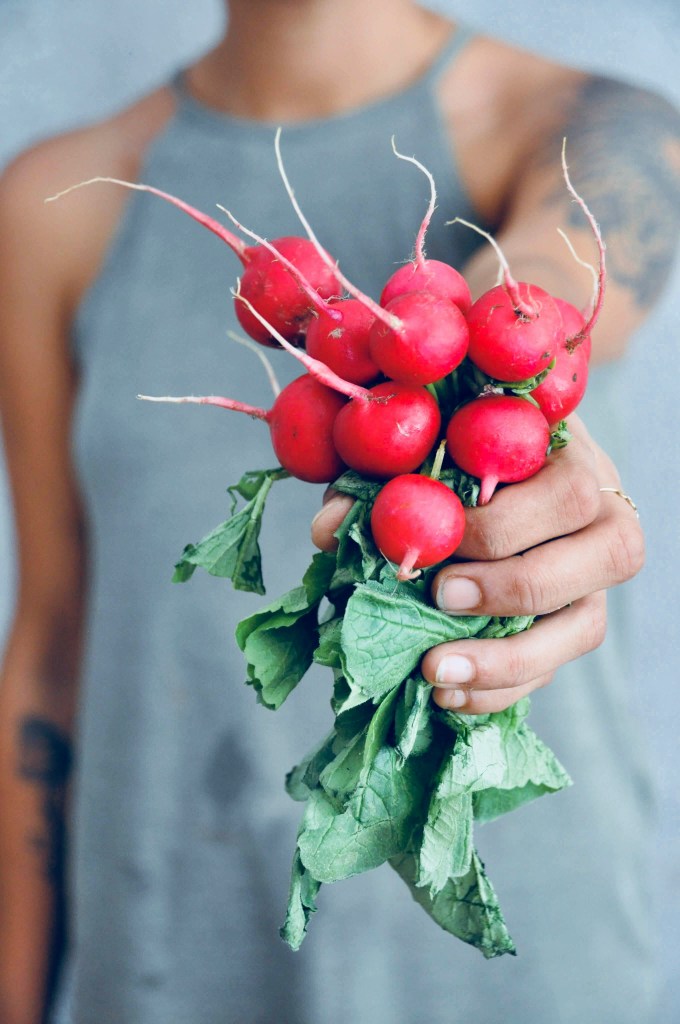
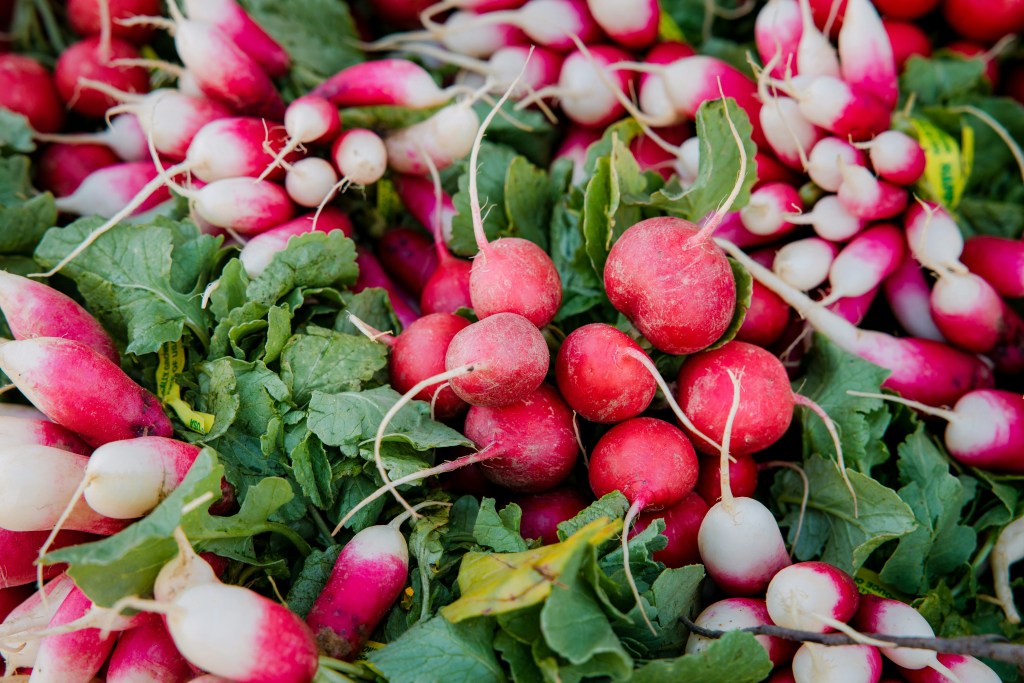
Although best known for their round, bright red roots, radishes display remarkable diversity. Depending on the variety, roots may be white, pink, purple, black, or even green, while shapes range from neat spheres to long, tapered roots. Their peppery flavour adds freshness and character to salads and many cooked dishes, while the young leaves are also edible and increasingly appreciated in the kitchen.
Few vegetables offer such an immediate connection between sowing and harvest. Within days of germination, the first true leaves appear, followed by the quiet swelling of the root beneath the soil. Much of the plant’s development remains hidden until the moment of harvest, reminding us that some of the most significant changes often take place out of sight.
Growing radishes encourages attentiveness. Their brief growing season rewards regular observation, not because they demand constant care, but because they move through each stage of development with quiet determination, asking only that we notice when the time is right.
Appearance & Growth Habit
Radish is a fast-growing annual root vegetable that develops a compact rosette of foliage above a swollen edible root. Most garden varieties reach between 15 and 30 centimetres in height, making them ideal for smaller vegetable gardens, raised beds, and containers.
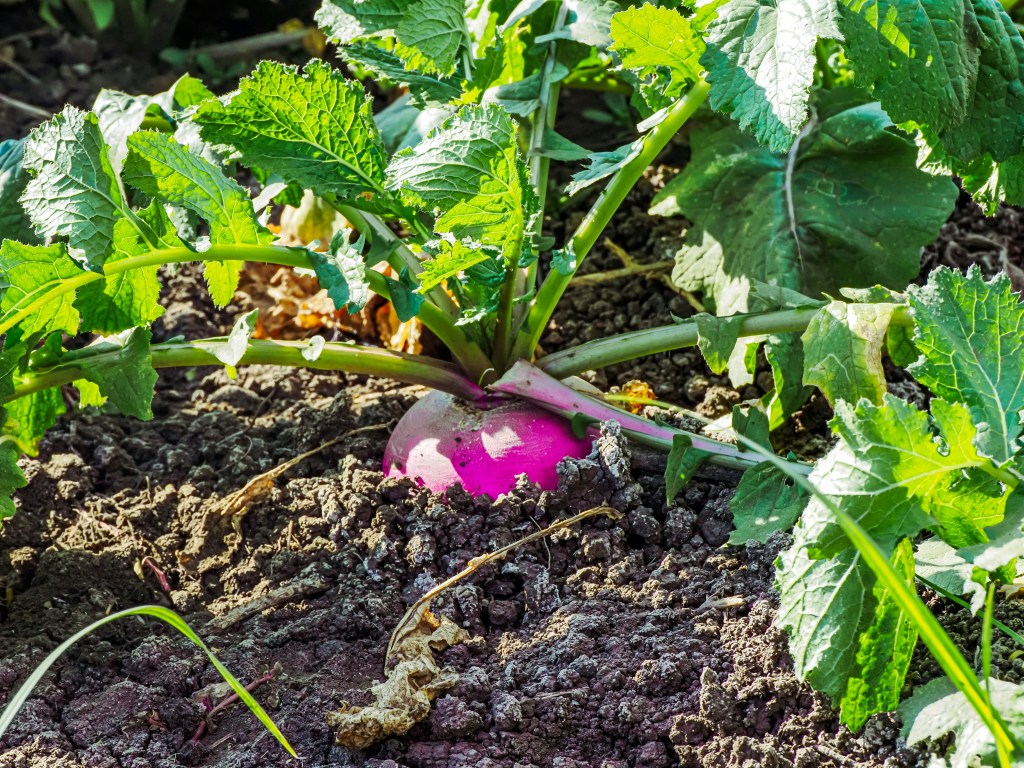
The leaves are bright to mid-green, slightly hairy, and deeply lobed, creating an attractive mound of textured foliage. As the plant grows, the upper portion of the root often becomes visible above the soil, gradually revealing its developing colour and signalling the approach of harvest.
Root size and shape vary considerably between cultivars. Traditional globe radishes produce smooth, rounded roots with crisp white flesh beneath brightly coloured skins, while elongated varieties such as French Breakfast develop elegant cylindrical roots tipped with white. Winter radishes, including black and daikon types, grow considerably larger and require a longer growing season.
If left unharvested, the plant eventually sends up tall flowering stems carrying delicate white, pink, or pale lilac flowers with fine purple veining. These blooms attract pollinating insects before developing seed pods, allowing the plant to complete its natural life cycle.
Growing Conditions
Radishes thrive during the cool conditions of spring and autumn, although careful succession sowing allows harvests through much of the growing season. Cool temperatures encourage rapid root development and produce the crisp texture and mild flavour for which the vegetable is prized.
A position in full sun is ideal during cooler months, while light afternoon shade helps reduce heat stress in warmer climates. Excessively high temperatures often encourage premature flowering and may result in woody or strongly flavoured roots.
The plant grows best in fertile, loose, well-drained soil free from stones or heavy compaction. Fine, crumbly soil allows the roots to develop evenly, producing smooth, well-shaped harvests. Organic matter improves both drainage and moisture retention while encouraging healthy growth.
Because radishes mature so quickly, they are particularly well suited to succession planting. Small sowings every two or three weeks provide a continuous supply of fresh roots throughout the growing season.
Care & Maintenance
Radishes are among the simplest vegetables to cultivate, requiring little more than consistent moisture and regular observation. Seeds are best sown directly into prepared soil where they are to mature, as the developing roots dislike transplanting.
Maintaining even soil moisture is essential for producing crisp, tender roots. Irregular watering may result in splitting, fibrous texture, or excessively pungent flavour. Applying a light organic mulch helps conserve moisture and suppress weed growth while maintaining stable soil conditions.
Thinning seedlings soon after emergence provides adequate space for root development. Crowded plants often produce abundant foliage but poorly formed roots.
Fertiliser requirements are generally modest, particularly where compost has been incorporated before sowing. Excessive nitrogen encourages leafy growth at the expense of root development.
Regular harvesting is perhaps the most important aspect of care. Radishes are at their finest when gathered promptly after reaching maturity. Waiting too long may result in larger but tougher roots with a stronger flavour and reduced texture.
Seasonal Notes
Radishes closely follow the rhythm of the cooler seasons. Spring sowings germinate rapidly as soils begin to warm, producing some of the earliest harvests from the vegetable garden.
Late spring often provides the greatest abundance, with successive sowings ensuring a steady supply of crisp roots. As temperatures continue to rise, careful watering and light afternoon shade help extend the harvest period.
Autumn brings another excellent season for cultivation. Cooling temperatures encourage sweet, tender roots, while shorter days slow the tendency to flower prematurely.
Winter varieties continue growing well into the colder months, developing gradually beneath the soil before providing satisfying harvests when many summer crops have finished. Across each season, the plant quietly demonstrates how closely successful gardening is linked to working with changing conditions rather than resisting them.
Uses
Radishes are valued for their versatility in the kitchen. Fresh roots bring crisp texture and a pleasantly peppery flavour to salads, sandwiches, grazing platters, and garnishes, while larger varieties may be roasted, stir-fried, pickled, or added to soups and stews. Even the young leaves are edible, lending themselves to pestos, sautés, and mixed greens.
Rich in vitamin C, dietary fibre, and a range of beneficial plant compounds, radishes contribute freshness and variety to a balanced diet. Harvesting them directly from the garden preserves both their crisp texture and lively flavour, qualities that are often diminished during storage and transport.
Their rapid maturity also makes radishes ideal for children, beginner gardeners, and anyone wishing to experience the satisfaction of harvesting food within a remarkably short time. They fit comfortably into vegetable beds, raised planters, containers, and even small urban gardens where space may be limited.
There is a quiet pleasure in drawing a radish from the soil. For weeks, its growth has remained almost entirely hidden, revealed only by the gradual spread of leaves above the ground. At harvest, the root emerges clean and complete, a reminder that much of the garden’s most important work takes place beyond our immediate view, waiting patiently beneath the surface until the right moment arrives.