TOMATO
Solanum lycopersicon

Plant Overview
Tomatoes are among the most widely grown and rewarding edible plants within the kitchen garden, valued for their abundant fruit, extraordinary diversity, and strong connection to summer seasonal growing.
Their vigorous growth, aromatic foliage, and colourful fruits make tomatoes a central feature within productive gardens, raised beds, greenhouses, containers, and Mediterranean-inspired planting schemes.
Tomatoes are especially rewarding due to the enormous range of cultivars available, from compact cherry tomatoes suited to pots through to large heirloom and beefsteak varieties grown for slicing, preserving, and cooking.
Their strong seasonal productivity and culinary versatility make tomatoes one of the defining crops of summer gardening.
Appearance & Growth Habit
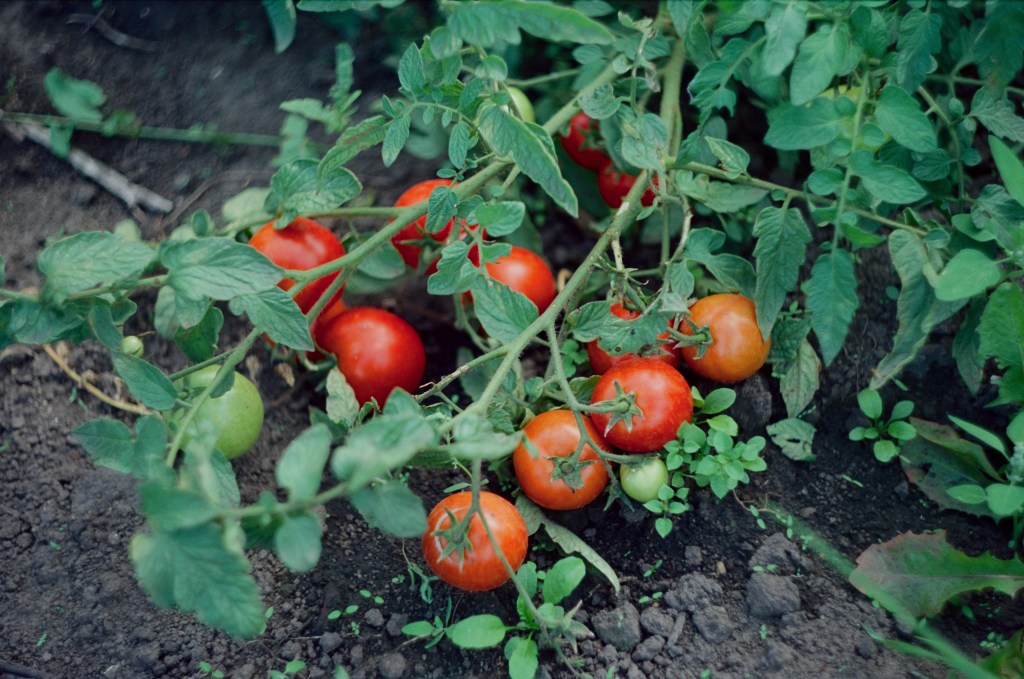
Tomatoes may be bush or climbing in habit depending on the cultivar.
Bush varieties remain compact and self-supporting, while climbing or indeterminate varieties continue growing throughout the season and require staking or support structures.
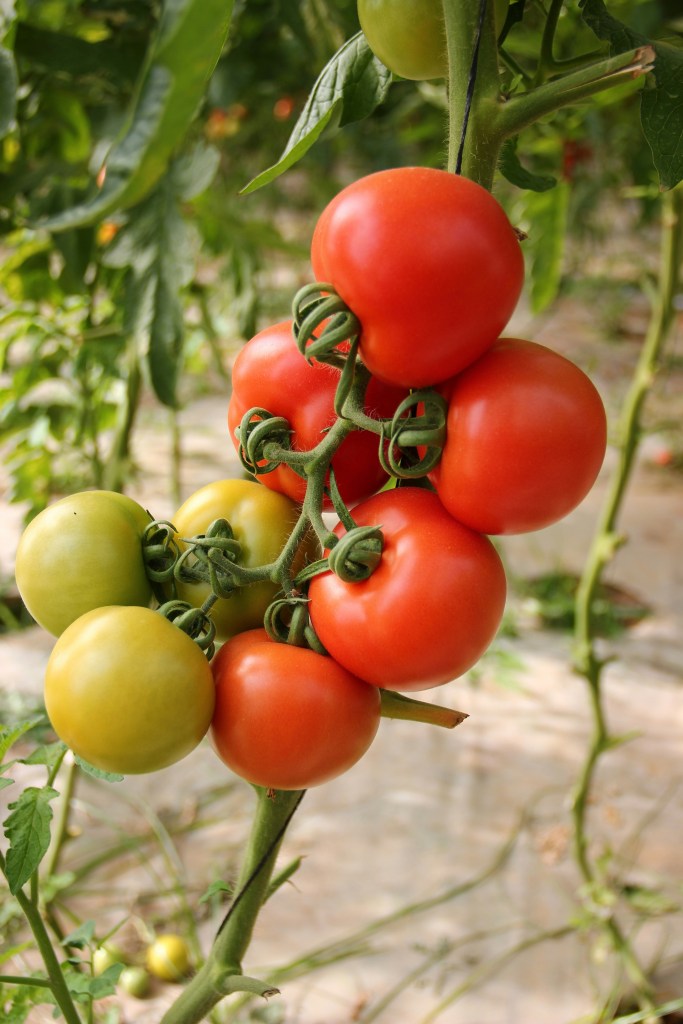
Plants produce aromatic green foliage, yellow star-shaped flowers, and fruits that develop in a remarkable range of colours, sizes, and forms including red, yellow, orange, green, purple, striped, and almost black cultivars.
Fruit shapes vary from small cherry tomatoes through to elongated paste varieties and large ribbed heirloom forms.
Growing Conditions
Tomatoes thrive in full sun with fertile, free-draining soil rich in compost and organic matter.
Warm sheltered growing conditions are essential for strong growth and fruit ripening.
Plants are commonly started indoors during late winter or early spring and planted out once frost risk has passed.
Tomatoes grow exceptionally well in greenhouses, raised beds, large containers, and sunny productive borders.
Care & Maintenance
Regular watering is essential for healthy fruit development and helps reduce issues such as splitting and blossom end rot.
Applying mulch assists with moisture retention and soil temperature regulation.
Climbing varieties require staking, tying, or support structures throughout the growing season.
Side shoots are often removed from indeterminate cultivars to focus plant energy into fruit production.
Regular feeding with potassium-rich fertiliser supports flowering and fruit development across the season.
Seasonal Notes
Tomatoes are typically planted during spring and harvested throughout summer into early autumn.
Fruit ripens progressively over many weeks, allowing for continuous harvesting during peak growing periods.
As temperatures cool toward autumn, productivity gradually slows and remaining fruits may be harvested green for indoor ripening.
Tomatoes strongly embody the abundance and warmth of the summer kitchen garden.
Uses
Tomatoes are exceptionally versatile and are used fresh, roasted, grilled, cooked, preserved, dried, and transformed into sauces, soups, salads, and countless seasonal dishes.
Cherry varieties are ideal for fresh eating, while paste tomatoes are widely used for preserving and cooking.
Beyond their culinary value, tomatoes contribute strong seasonal energy, colour, and productivity within edible gardens.
Their connection to summer harvesting, outdoor dining, and seasonal cooking makes them one of the most rewarding and culturally significant edible plants for home gardeners.