SNAPDRAGON
Antirrhinum majus
Plant Overview
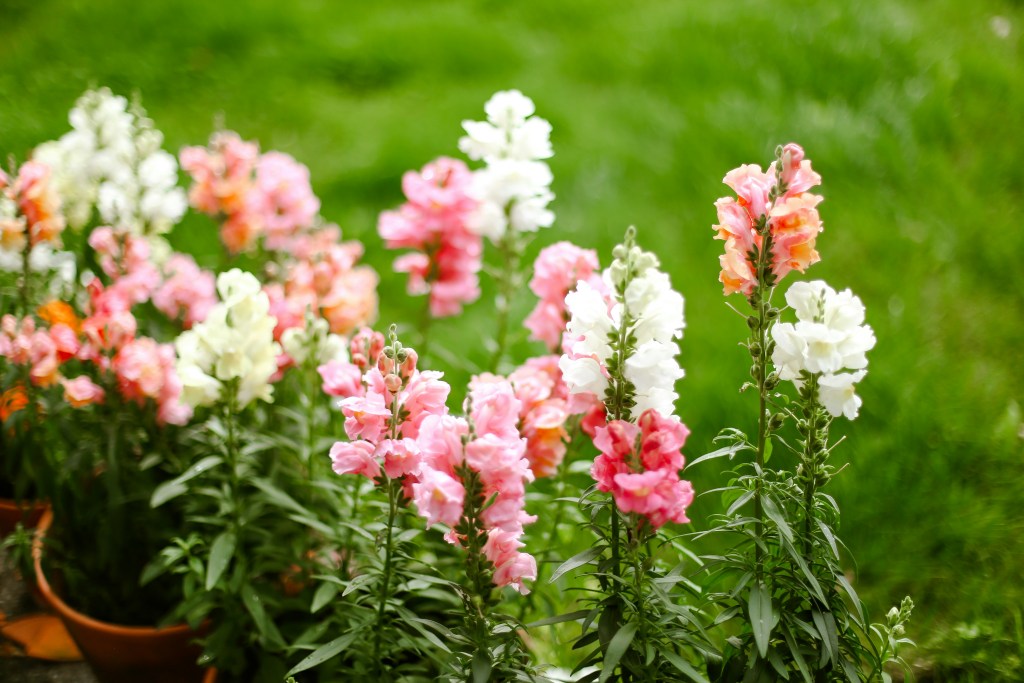
Snapdragons are upright flowering annuals admired for their tall spires of colourful blooms and long flowering season throughout spring, summer, and autumn. Their distinctive flowers and vertical growth habit bring structure, movement, and vibrant seasonal colour into garden beds, borders, and containers.
Widely used in cottage gardens, pollinator-friendly planting schemes, and cut flower gardens, Snapdragons are appreciated for their broad colour range and ability to flower over an extended period with regular maintenance. Their nectar-rich blooms also attract bees and beneficial pollinators into the garden throughout the warmer months.
With cultivars available in dwarf, medium, and tall forms, Snapdragons are highly versatile and suitable for a wide variety of garden styles and planting combinations.
Appearance & Growth Habit
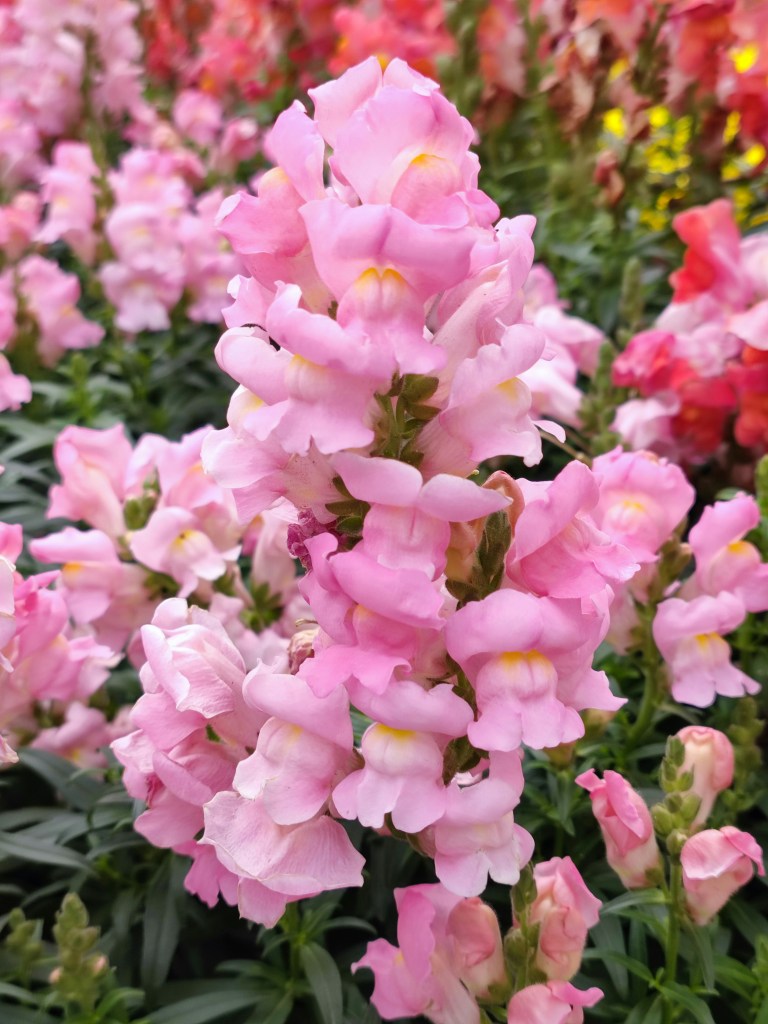
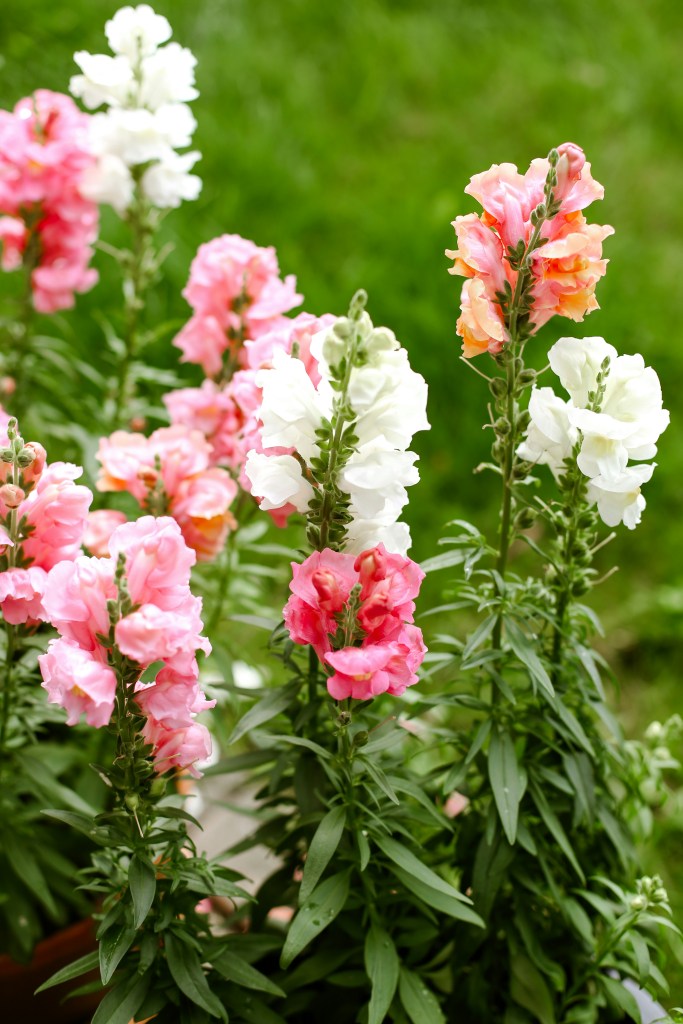
Snapdragons form upright clumping plants that typically range from 20 centimetres to over 1 metre in height depending on the cultivar. Plants produce tall flower spikes lined with densely packed blooms that open gradually from the base upward.
Flowers are available in a wide spectrum of colours including white, yellow, orange, pink, red, burgundy, and purple, often with bi-coloured or softly blended variations. Their vertical flowering stems help create strong seasonal structure and contrast beautifully against softer mounding or trailing plants.
The foliage is narrow and green with branching stems that become increasingly floriferous throughout the growing season. Taller cultivars are particularly valued within cutting gardens and mixed borders where they help add height and visual rhythm.
Growing Conditions
Snapdragons grow best in full sun positions with fertile, well-drained soil enriched with compost or organic matter. Bright open locations encourage stronger flowering and more compact growth.
Seeds may be sown indoors during late winter or early spring and transplanted once temperatures become milder. Young plants benefit from cooler growing conditions during establishment, often flowering more prolifically during mild spring and autumn weather.
Snapdragons are suitable for borders, containers, cottage gardens, cutting gardens, and pollinator-friendly planting schemes where their long flowering season can be fully appreciated.
Care & Maintenance
Regular watering during dry periods helps support healthy flowering, particularly for plants grown in containers or warmer climates. Taller cultivars may benefit from staking in exposed areas where heavy flowering stems can become vulnerable to wind.
Deadheading spent flowers encourages continued blooming and helps prolong the flowering season well into autumn. Cutting flower spikes back after flowering often encourages additional side shoots and repeat flowering.
Applying compost or balanced fertiliser during active growth can help maintain strong flowering performance throughout the season.
Good airflow between plants also helps reduce issues associated with overly humid conditions.
Seasonal Notes
Snapdragons are commonly grown as annuals, although in milder climates some cultivars may behave as short-lived perennials. Flowering often begins in spring and continues through summer into autumn with regular deadheading.
Plants tend to perform especially well during cooler periods of the growing season and may temporarily slow during intense summer heat before recovering as temperatures moderate.
Their extended flowering season makes Snapdragons valuable for maintaining colour and vertical interest across multiple seasons.
Uses
Snapdragons are highly valued within seasonal borders, cottage gardens, pollinator gardens, and cutting gardens where their upright flower spikes create height and structure among softer planting combinations.
Their long stems and extended vase life also make them excellent cut flowers for floral arrangements and indoor displays.
The nectar-rich blooms attract bees and beneficial insects throughout the growing season, contributing biodiversity and movement within the garden.
Beyond their practical use, Snapdragons bring strong seasonal energy and colour into outdoor spaces while helping create gardens that feel expressive, layered, and full of seasonal rhythm.