RANUNCULUS
Ranunculus asiaticus
Plant Overview
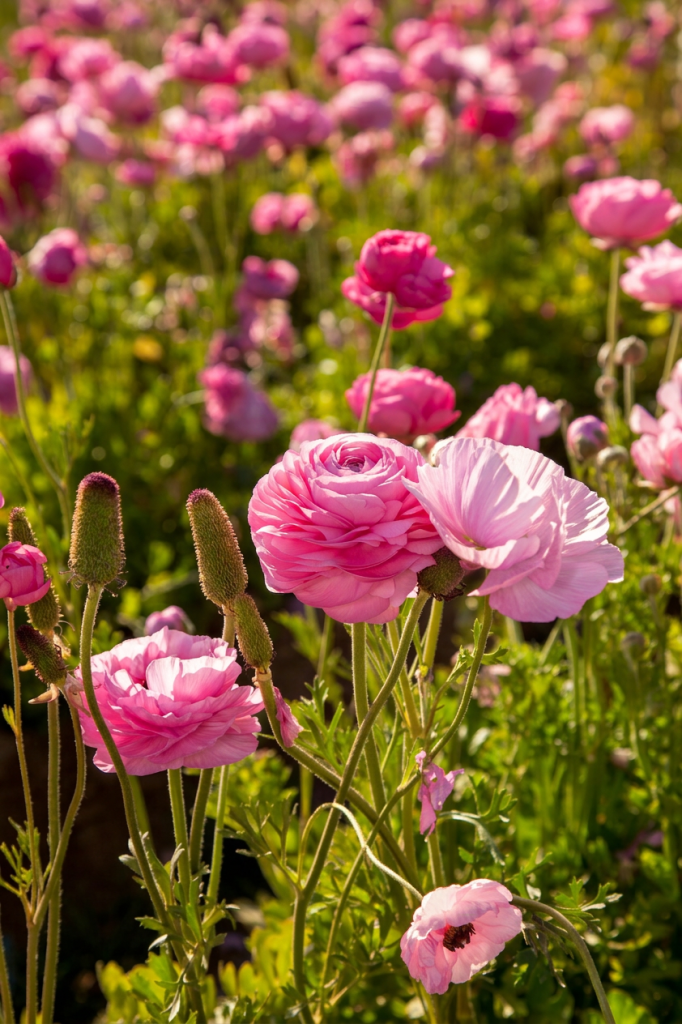
Ranunculus are admired for their richly layered blooms, soft romantic colouring, and elegant seasonal presence within the garden. Often associated with spring and early summer flowering, these plants are highly valued for their delicate rose-like flowers, making them favourites in cottage gardens, floral borders, containers, and cut flower gardens.
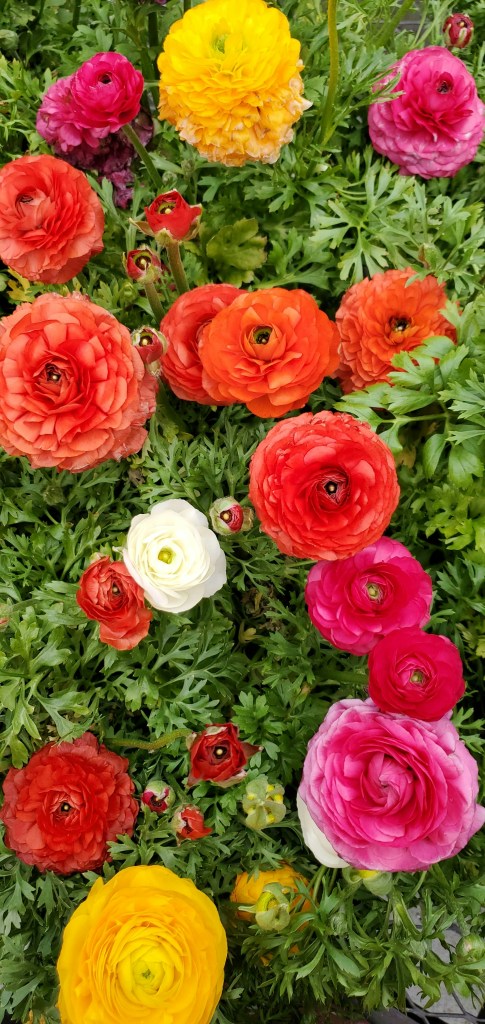
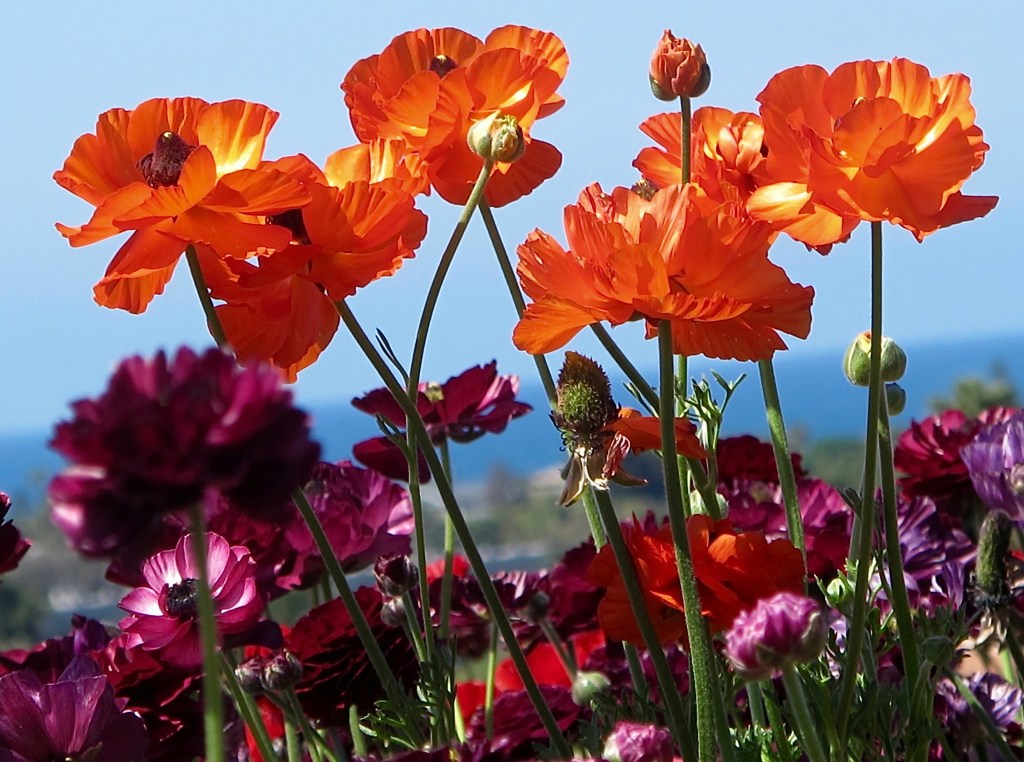
Their blooms appear in a wide range of colours including white, blush pink, apricot, yellow, crimson, orange, burgundy, and soft pastel tones, allowing them to blend beautifully into both vibrant and restrained planting palettes. Ranunculus bring a refined and almost painterly quality into the landscape, contributing softness, movement, and seasonal abundance during the cooler flowering months.
Widely used in floral design and garden styling, Ranunculus are especially appreciated for their long vase life and highly ornamental flowers, which often become standout features in both the garden and indoor arrangements.
Appearance & Growth Habit
Ranunculus form compact clumping plants with finely divided fern-like foliage and upright flowering stems that rise delicately above the leaves.
Plants typically grow between 25 and 45 centimetres in height depending on the variety and growing conditions.
Their flowers are densely layered with paper-like petals arranged in intricate rosette forms, creating blooms that resemble miniature peonies or roses. The flowers often display remarkable depth of colour and texture, particularly when planted in mass drifts or layered seasonal borders.
The soft foliage and elegant stems help Ranunculus pair beautifully with spring bulbs, flowering annuals, ornamental grasses, and cottage garden perennials.
Growing Conditions
Ranunculus grow best in full sun to partial shade with fertile, well-drained soil enriched with compost or organic matter.
They are commonly grown from claw-shaped tubers planted during autumn or late winter depending on regional climate conditions. In cooler climates, tubers may be started in protected environments before planting outdoors once severe frost risk has passed.
Good drainage is especially important, as excessively wet soils may lead to tuber rot during dormancy or periods of heavy rainfall.
Ranunculus perform beautifully in raised beds, cottage gardens, cutting gardens, decorative containers, and seasonal floral borders where their blooms can be appreciated up close.
Care & Maintenance
Regular watering during active growth and flowering helps support healthy foliage and prolonged blooming, although soil should remain free-draining and not waterlogged.
Applying mulch around plants can assist with moisture retention and temperature regulation during changing seasonal conditions.
Ranunculus benefit from fertile soil and occasional feeding with balanced fertiliser during active growth, particularly when grown for cut flower production.
Spent blooms may be removed regularly to encourage continued flowering and maintain a tidy appearance throughout the season.
Once flowering finishes and foliage naturally begins to yellow, watering can gradually be reduced as plants move toward dormancy.
In some climates, tubers may remain in the ground year-round, while colder or wetter regions may benefit from lifting and storing tubers during dormancy.
Seasonal Notes
Ranunculus are strongly associated with spring and early summer gardens, often flowering during the transitional period between cool-season bulbs and peak summer perennials.
Their blooms bring softness, freshness, and seasonal romance into the landscape at a time when gardens are rapidly becoming more active and colourful.
Cool growing conditions generally produce the strongest flowering displays and longest-lasting blooms.
When planted in succession or combined with other spring flowering plants, Ranunculus help extend seasonal colour and floral abundance throughout the garden.
Uses
Ranunculus are widely used in cottage gardens, floral borders, containers, seasonal mass plantings, and dedicated cut flower gardens where their blooms provide exceptional ornamental value.
Their flowers are especially prized in floral arrangements due to their layered texture, elegant stems, and excellent vase life.
Ranunculus pair beautifully with Tulips, Sweet Peas, Poppies, Foxgloves, and other spring flowering plants, helping create soft layered planting combinations filled with movement and seasonal atmosphere.
Beyond their ornamental beauty, Ranunculus contribute refinement, softness, and romantic seasonal colour into the garden, helping create spaces that feel expressive, immersive, and closely connected to the beauty of spring flowering landscapes.