PETUNIA
Petunia spp.

Plant Overview
Petunias are versatile flowering plants celebrated for their abundant blooms, long flowering season, and ability to bring vibrant colour and softness to gardens, containers, and outdoor living spaces. Originally native to South America, petunias have become one of the most widely cultivated ornamental plants in the world and remain especially popular for their resilience, ease of growth, and seasonal impact.
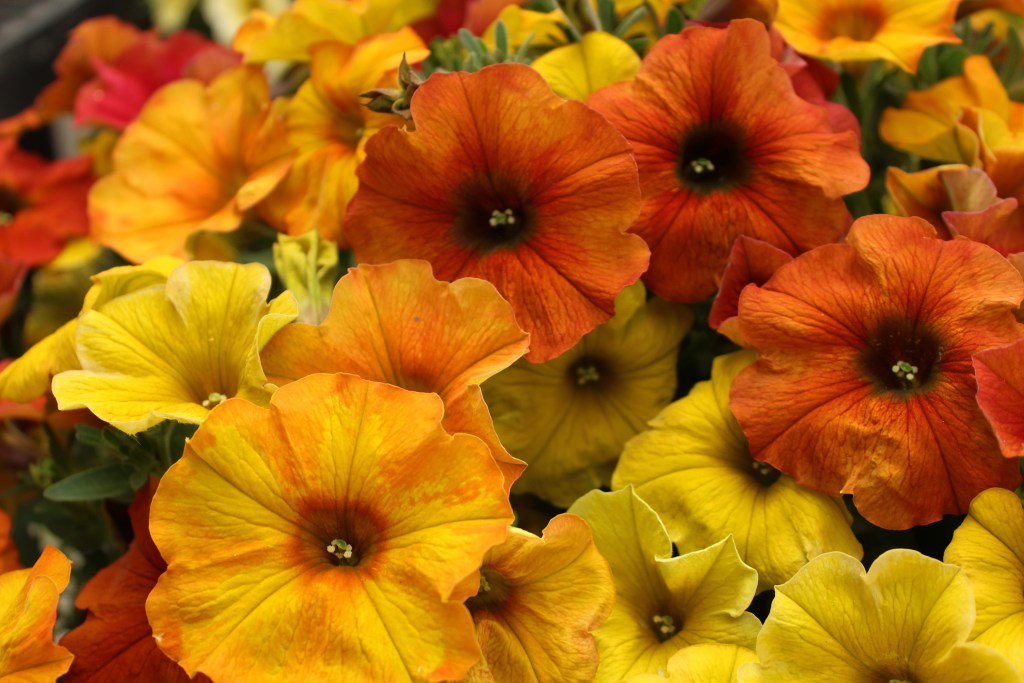
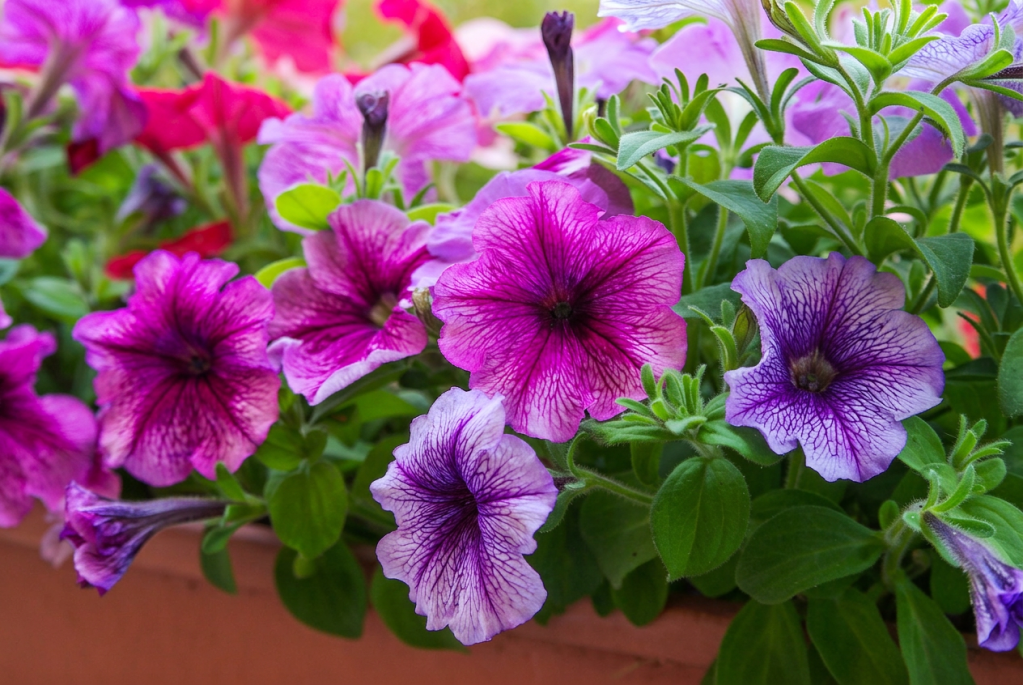
Available in a remarkable range of colours, patterns, and growth habits, petunias can suit both relaxed cottage-style gardens and more contemporary planting schemes. Their flowers appear in shades of white, pink, purple, red, blue, apricot, and deep burgundy, often featuring delicate veining or contrasting centres that add texture and visual interest.
Petunias are particularly valued for their ability to flower continuously throughout the warmer months. Their generous flowering habit creates a sense of fullness and seasonal abundance, helping soften edges, brighten outdoor spaces, and encourage a more immersive connection with the garden environment.
Appearance & Growth Habit
Petunias typically produce soft green foliage and trumpet-shaped flowers that bloom prolifically over an extended period. Depending on the variety, plants may develop compact upright growth or trailing stems that spread gracefully across containers and garden beds.
Flower size varies considerably, ranging from smaller delicate blooms to larger dramatic flowers with broad velvety petals. Some cultivars display single flowers with open centres, while others produce more layered or ruffled forms that create additional texture within planting displays.
Trailing and cascading varieties are particularly effective in hanging baskets, window boxes, and elevated containers where stems can naturally spill downward and soften architectural edges. Upright forms are commonly used in garden borders, edging, and seasonal mass plantings.
Petunias generally maintain a soft and informal growth habit, which contributes to their relaxed garden character. Their long flowering season also allows them to act as reliable filler plants within seasonal displays, providing continuity of colour and texture throughout the warmer months.
Growing Conditions
Petunias thrive in full sun and perform best when provided with at least six hours of direct sunlight daily. Strong light encourages compact growth, abundant flowering, and vibrant flower colour.
They prefer fertile, well-draining soil enriched with organic matter and appreciate consistent moisture during active growth. While petunias tolerate short dry periods once established, prolonged dryness may reduce flowering performance and overall plant vigour.
Good drainage is particularly important in containers and hanging baskets, as excessively wet conditions may encourage root problems and fungal disease. Regular feeding throughout the growing season supports continuous flowering and healthy foliage development.
Petunias adapt well to a wide range of garden settings and combine beautifully with many other flowering plants including lobelia, bacopa, verbena, calibrachoa, marigolds, salvias, and ornamental grasses. Softer pastel tones can create calm reflective displays, while brighter colour combinations introduce energy and seasonal vibrancy.
Care & Maintenance
Petunias are relatively easy to maintain and respond well to regular attention throughout the growing season.
Consistent watering is important, particularly for container-grown plants exposed to warm weather and drying winds. However, soils should not remain constantly saturated, as this may reduce root health and overall performance.
Regular feeding with a balanced flowering fertiliser helps sustain vigorous growth and prolonged blooming. In nutrient-poor conditions, flowering may become reduced and foliage less dense over time.
Deadheading spent flowers can help encourage additional blooms and maintain a tidier appearance, although many modern varieties are self-cleaning and require minimal removal of faded flowers. Light pruning or trimming during mid-season may also help rejuvenate plants that become leggy or tired after extended flowering.
Petunias generally perform as annuals in many climates, completing their life cycle over one growing season. However, in milder frost-free regions, some varieties may persist longer under favourable conditions.
Seasonal Notes
Petunias are strongly associated with the warmth and brightness of spring and summer gardens. Their extended flowering period creates a feeling of continuity and seasonal fullness, particularly during long sunny days when outdoor spaces become active and well-used.
The flowers themselves often respond visibly to changing weather and light conditions. Morning sun may intensify colour and fragrance, while rainfall and shifting summer breezes bring movement and softness to overflowing containers and garden beds.
Petunias also contribute to the emotional atmosphere of outdoor living spaces. Positioned near pathways, seating areas, balconies, or verandas, they help create welcoming environments that encourage slowing down and spending time outdoors.
Their long flowering habit offers a gentle reminder of seasonal abundance and the quieter rhythms of care and observation that develop through regular interaction with the garden.
Uses
Petunias are widely used in hanging baskets, containers, window boxes, garden borders, public displays, and seasonal mass plantings. Their adaptability and reliable flowering make them one of the most versatile ornamental plants for creating colour and softness throughout the warmer months.
Trailing varieties are especially effective for softening hard edges and introducing movement into outdoor spaces, while compact forms provide structure and colour within mixed planting schemes.
Petunias are also valuable for attracting pollinators such as bees and butterflies, particularly single-flowered varieties with accessible nectar sources.
Beyond their ornamental value, petunias contribute to the sensory and emotional experience of gardens through colour, texture, movement, and seasonal continuity. Their presence encourages ongoing observation and appreciation for the changing atmosphere of outdoor spaces throughout spring and summer.