Parlour Palm
Chamaedorea elegans
Plant Overview
Parlour Palm (Chamaedorea elegans) is one of the world’s most enduring and widely grown tropical indoor houseplants, admired for its graceful foliage, adaptability, and understated elegance. Native to the rainforests of southern Mexico and Guatemala, it grows naturally beneath the dense forest canopy where filtered light, warm temperatures, and consistently humid conditions provide a sheltered environment. These woodland origins explain its remarkable ability to thrive indoors, even in locations that receive relatively modest levels of natural light.
Introduced into European homes during the Victorian era, the Parlour Palm quickly became associated with refined interiors, lending its common name to the formal parlours where it was traditionally displayed. More than a century later, it remains one of the most dependable and rewarding houseplants, appreciated for its quiet beauty rather than dramatic displays.
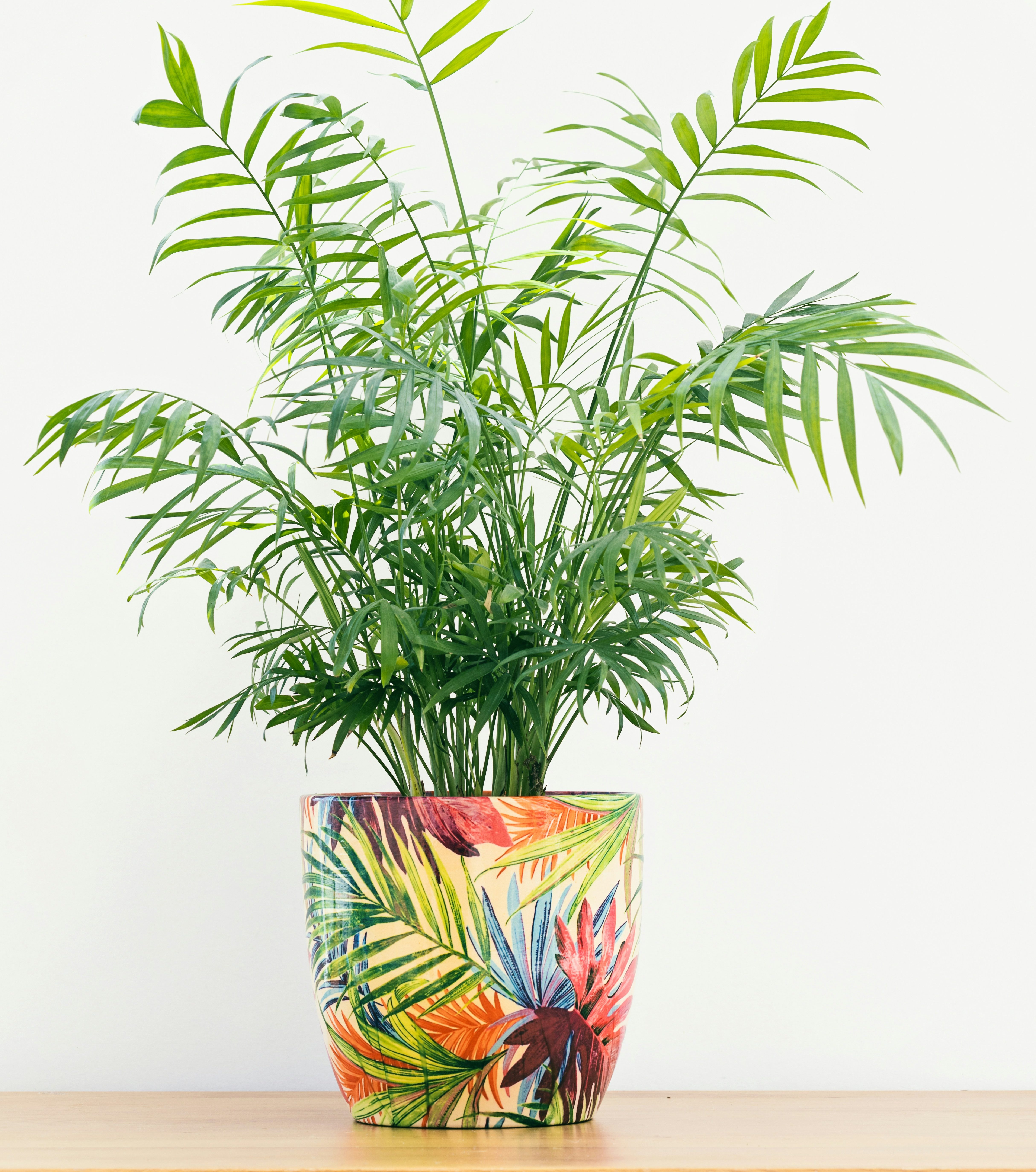
Unlike larger palms that dominate a room, the Parlour Palm contributes a softer presence. Its finely divided fronds arch gently above slender stems, creating movement and texture without overwhelming surrounding spaces. The foliage catches changing light throughout the day, bringing a subtle sense of vitality to even the quietest corner of a home.
There is a calmness about the Parlour Palm that reflects its natural habitat. It grows steadily, asks for little, and gradually develops into a graceful companion that quietly enriches the spaces in which it lives.
Appearance & Growth Habit
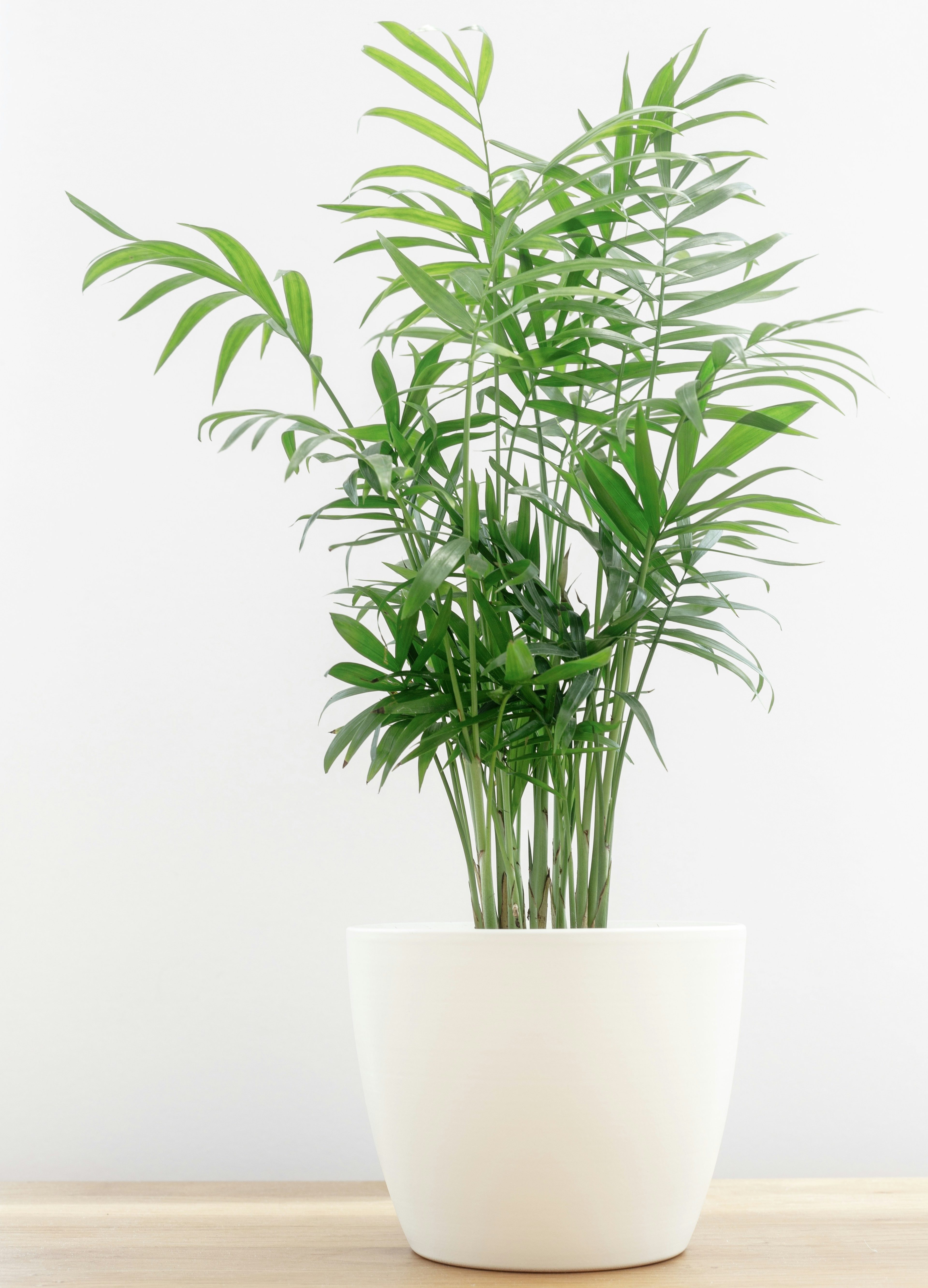
Parlour Palm is a slow-growing evergreen tropical palm that typically reaches between 60 centimetres and 1.5 metres in height when grown indoors. Although individual stems remain slender, they are usually produced in clusters, giving the plant a naturally full and balanced appearance.
The elegant fronds are finely divided into numerous narrow leaflets arranged along gently arching stems. Their rich green colour and delicate texture create a soft, feathery effect that contrasts beautifully with broader-leaved houseplants and modern interior furnishings.
New fronds emerge from the centre of the plant as tightly rolled spears before gradually unfurling over several weeks. This slow, deliberate process provides continual interest, even though the overall rate of growth remains modest.
Mature plants occasionally produce small sprays of yellow flowers followed by tiny dark berries when grown under ideal conditions, although flowering is relatively uncommon indoors. The primary ornamental value of the plant lies in its refined foliage, which remains attractive throughout the year.
Growing Conditions
As a tropical indoor houseplant, Parlour Palm thrives in bright, indirect light but is equally capable of adapting to lower light conditions than many other palms. This tolerance has made it one of the most reliable choices for homes, offices, and interior spaces where direct sunlight is limited.
Strong afternoon sun should be avoided, as it may scorch the delicate leaflets. Gentle filtered light most closely resembles the dappled conditions beneath the rainforest canopy where the plant naturally grows.
The Parlour Palm performs best in a fertile, well-drained potting mix that retains moderate moisture while allowing excess water to drain freely. Warm temperatures between 18°C and 24°C suit the plant well, while protection from cold draughts and sudden temperature changes encourages healthy growth.
Average household humidity is generally adequate, although occasional misting or positioning the plant among other houseplants can help maintain healthy foliage in particularly dry indoor environments.
Care & Maintenance
Parlour Palm is widely regarded as one of the easiest palms to grow indoors. Water thoroughly when the upper few centimetres of the growing medium begin to dry, allowing excess moisture to drain away completely. Overwatering is more likely to cause problems than allowing the soil to become slightly dry between waterings.
During spring and summer, feeding every four to six weeks with a balanced liquid fertiliser supports healthy foliage development. Fertiliser should be reduced during autumn and winter as growth naturally slows.
The fronds benefit from occasional cleaning with a soft, damp cloth to remove dust and allow the leaves to capture available light more efficiently. Ageing fronds may be removed at the base once they have naturally yellowed, helping maintain the plant’s tidy appearance.
Repotting is generally required only every three or four years, as the Parlour Palm grows slowly and is comfortable in a slightly restricted root environment. Gentle handling during repotting helps preserve its delicate root system.
The plant is generally healthy and resilient, although occasional spider mites or scale insects may appear in very dry indoor conditions. Regular observation usually allows any problems to be addressed before they become significant.
Seasonal Notes
Although indoor conditions reduce the influence of changing seasons, the Parlour Palm continues to follow a gentle annual rhythm.
Spring often brings the appearance of fresh fronds emerging from the centre of the plant. Their bright green colour gradually deepens as they mature and unfold into their characteristic graceful form.
Summer is typically the period of strongest growth. Warm temperatures and longer daylight hours encourage the steady production of new foliage, gradually increasing the fullness of the plant.
Autumn introduces a slower pace as daylight decreases. Existing fronds remain attractive while new growth becomes less frequent, allowing the plant to settle into a quieter period.
Winter is a season of calm stability. The evergreen foliage continues to provide freshness and texture indoors, asking for little more than moderate watering and protection from dry heating and cold draughts. Even during these quieter months, the plant quietly maintains its gentle presence within the home.
Uses
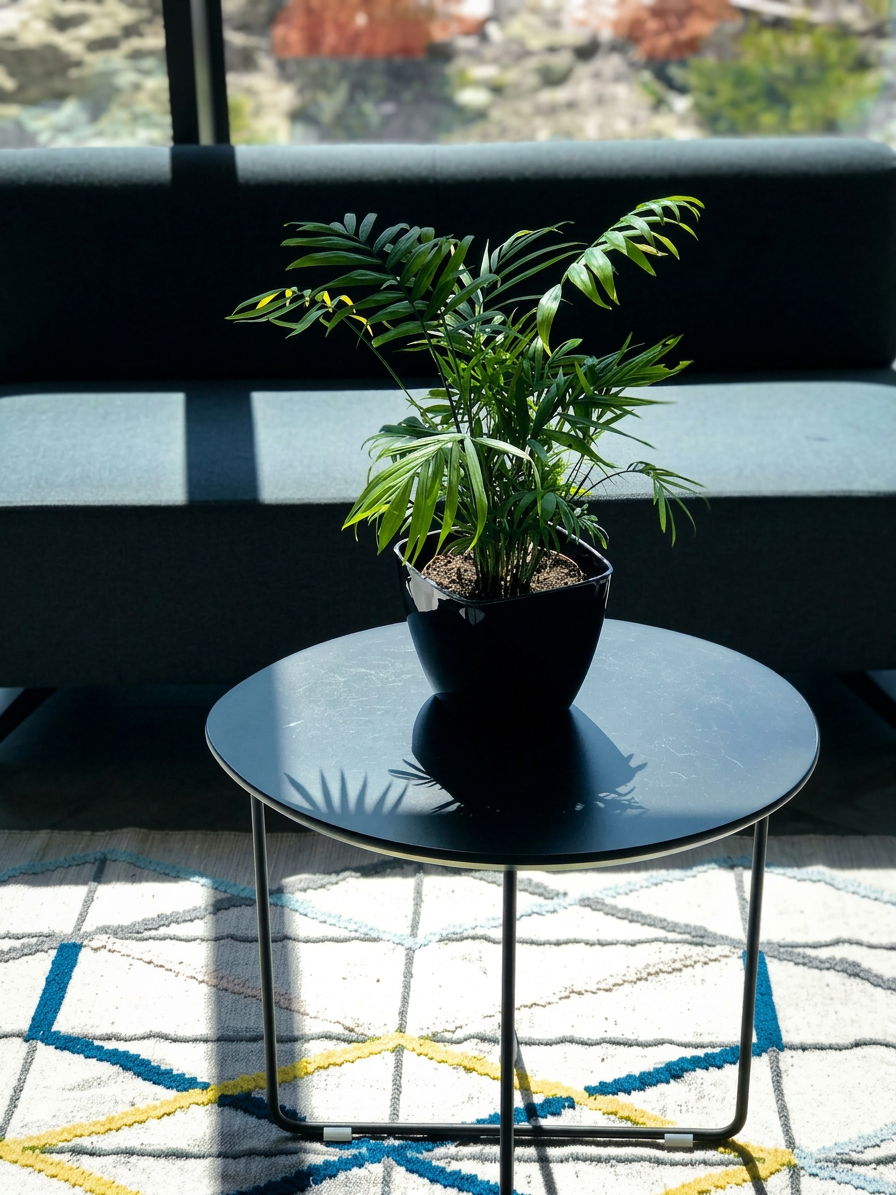
Parlour Palm is one of the most versatile tropical indoor houseplants for homes, offices, reception areas, bedrooms, and shaded living spaces. Its compact size and graceful habit allow it to fit comfortably into smaller rooms while introducing softness and natural texture to interior settings.
The elegant fronds complement a wide variety of decorative styles, pairing naturally with timber, ceramics, woven fibres, and contemporary furnishings. It combines particularly well with flowering indoor plants and broader-leaved tropical species, creating balanced indoor plant displays with contrasting forms and textures.
Parlour Palm is also recognised as one of the classic air-purifying indoor plants, following research demonstrating that certain houseplants can remove selected airborne compounds under controlled conditions. While individual plants have only a modest influence on the air quality of a typical home, incorporating healthy indoor plants into living spaces contributes to a fresher, more welcoming environment while strengthening our everyday connection with nature.
The enduring appeal of the Parlour Palm lies not in dramatic growth or spectacular flowers, but in its quiet consistency. Year after year it produces another graceful frond, gradually becoming fuller without ever demanding attention. In its own gentle way, it reminds us that the most lasting presence is often built through small, steady moments of growth that almost pass unnoticed until, one day, we realise how much they have changed the space around them.