Japanese Maple
Acer palmatum
Plant Overview
Few ornamental trees inspire the same sense of admiration as the Japanese Maple. Known botanically as Acer palmatum, this elegant deciduous tree has been cultivated and appreciated for centuries, particularly within the garden traditions of Japan where it is valued not only for its beauty but also for its ability to evoke reflection and contemplation.
Japanese Maples are renowned for their delicate foliage, graceful branching structure, and extraordinary seasonal colour. They possess a quiet beauty that rewards careful observation. Unlike trees that dominate a landscape through size alone, Japanese Maples draw people closer. Their finely textured leaves, intricate branch patterns, and constantly changing colours encourage a slower and more attentive way of experiencing the garden.
Native to Japan, Korea, and parts of China, Acer palmatum has become one of the most cherished ornamental trees in gardens around the world. Whether planted as a focal point, beside a pathway, near a water feature, or within a woodland garden, it brings a sense of elegance and tranquillity that few plants can match.
For many gardeners, the Japanese Maple becomes more than simply a tree. It becomes a marker of the seasons, revealing the subtle transitions of the year through its changing foliage. It reminds us that beauty is often found in change itself and that every season offers something worth noticing.
Appearance & Growth Habit
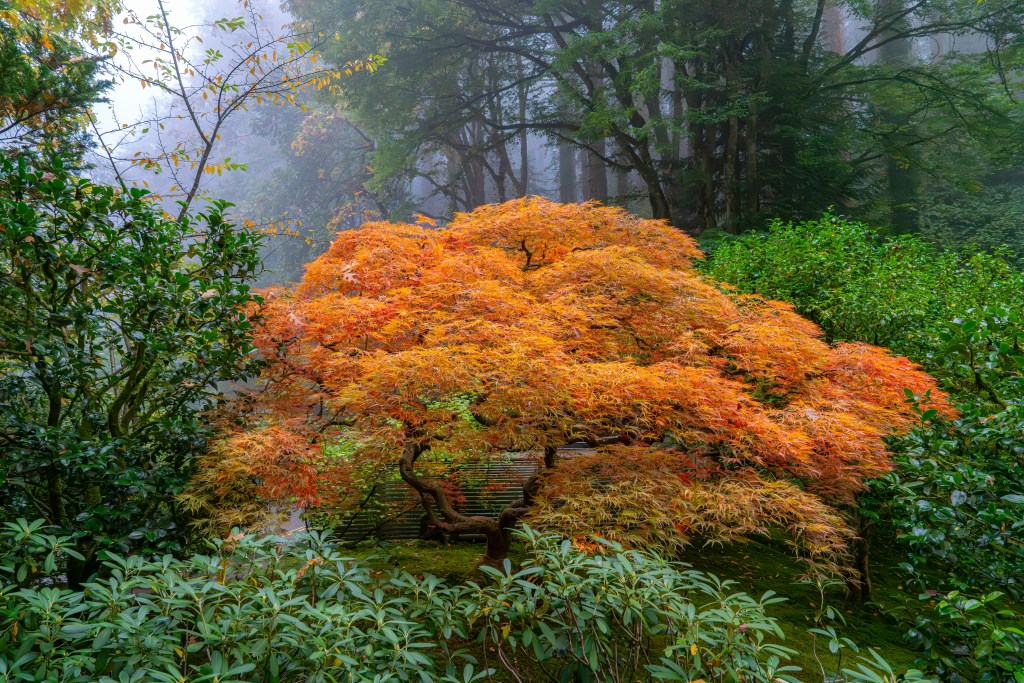
Japanese Maple is a small deciduous tree or large shrub with a naturally graceful and often layered growth habit. Depending on the cultivar, mature plants typically reach between 2 and 8 metres in height, with a similar spread. Some varieties remain compact and upright, while others develop broad, weeping forms that create a cascading effect.
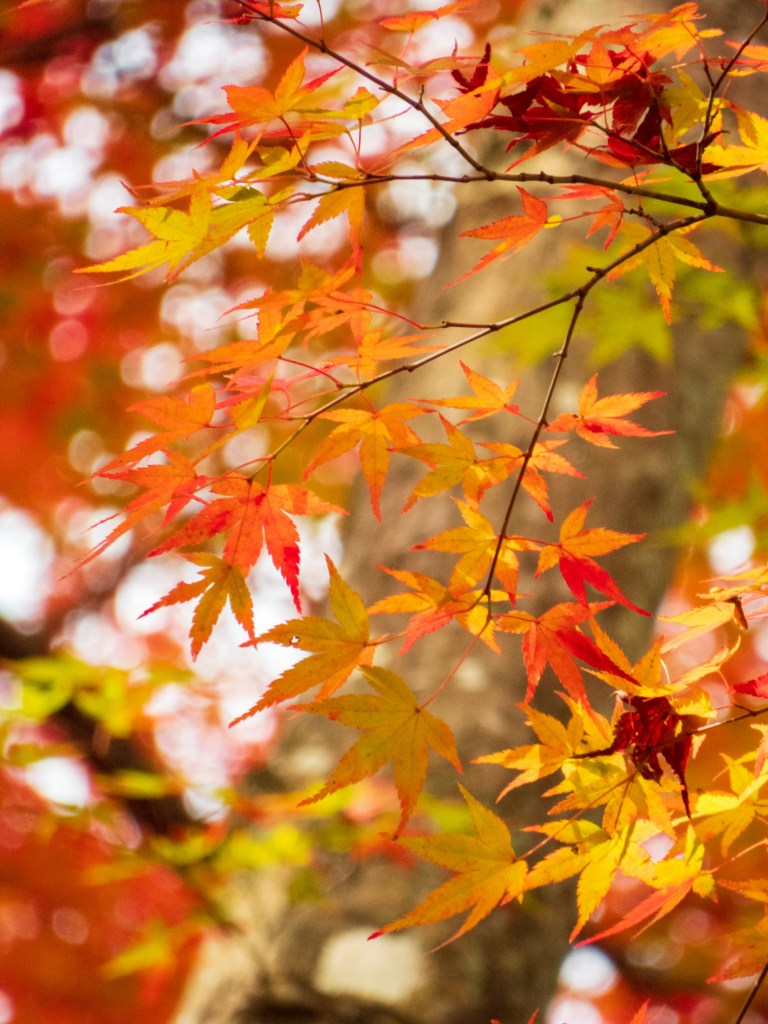
The foliage is the tree’s defining feature. Leaves are deeply lobed and finely textured, resembling an open hand, which is reflected in the species name palmatum. The leaves may emerge in shades of fresh green, bronze, crimson, burgundy, or even golden yellow, depending on the variety.
Throughout the growing season, the foliage often changes subtly in response to temperature, light, and seasonal progression. These shifts create an ever-changing display that rewards repeated observation.
The branching structure is equally beautiful. Smooth grey bark and elegantly arranged branches create a sculptural quality that becomes particularly evident during winter when the leaves have fallen. Mature specimens often develop a layered appearance that contributes to their distinctive character.
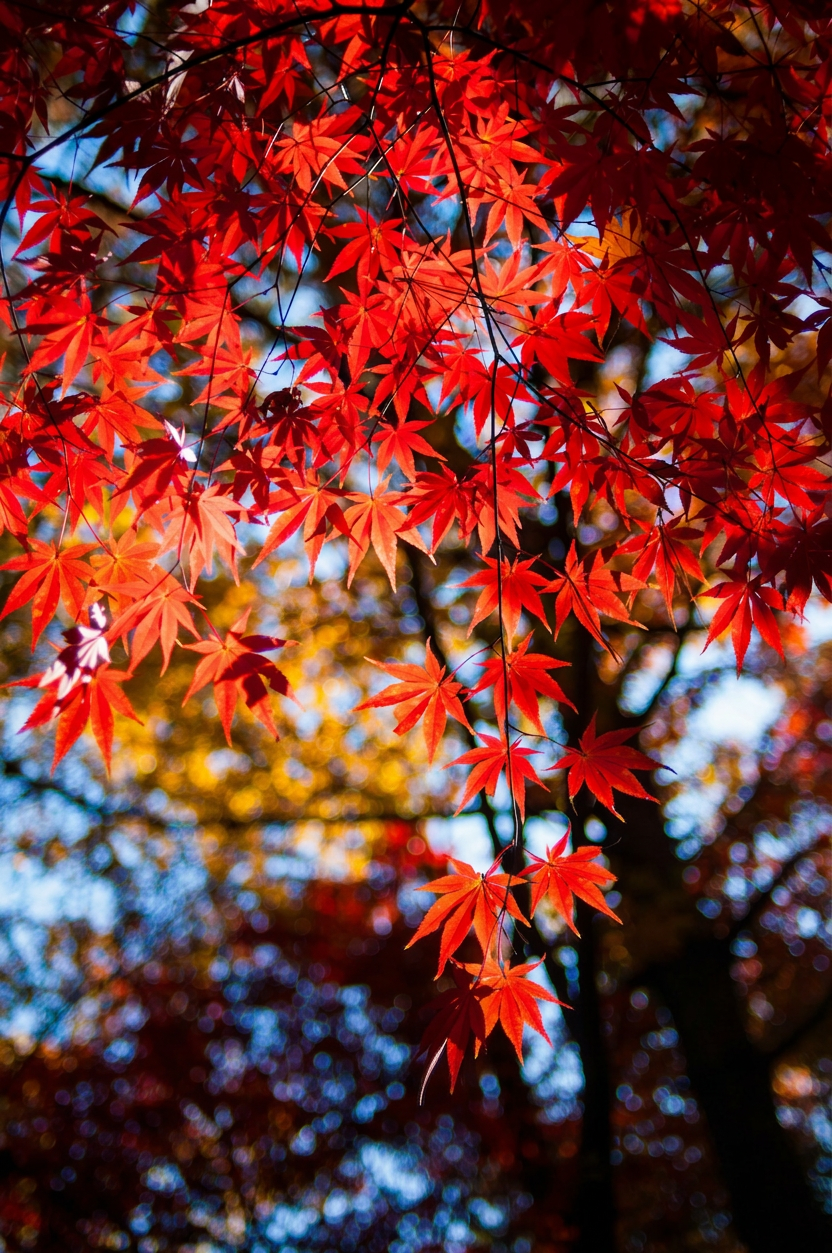
In autumn, Japanese Maples produce some of the most spectacular seasonal colour displays found in any ornamental tree. Brilliant shades of scarlet, orange, gold, and crimson can transform the entire plant into a living work of art before the leaves eventually fall.
Growing Conditions
Japanese Maples thrive in environments that offer protection from extreme conditions. They perform best in locations receiving morning sun and afternoon shade, particularly in warmer climates where intense summer sunlight may scorch delicate foliage.
The ideal soil is fertile, moisture-retentive, and well-drained, enriched with organic matter. While adaptable to a range of soil types, Japanese Maples dislike prolonged waterlogging and generally perform poorly in heavily compacted soils.
Consistent soil moisture is important, especially during establishment and periods of summer heat. Their relatively shallow root systems benefit from organic mulches that help regulate soil temperature and reduce moisture loss.
Shelter from strong winds is also beneficial. Wind exposure can damage delicate leaves and reduce the tree’s ornamental value, particularly during periods of active growth.
Japanese Maples are well suited to temperate climates and can be grown successfully in both garden beds and large containers. Their manageable size makes them particularly valuable in smaller gardens where space is limited but ornamental impact is desired.
Care & Maintenance
Japanese Maples are generally considered low-maintenance trees once established, provided their growing requirements are understood and respected.
Regular watering is important during the establishment period and during prolonged dry weather. Maintaining even soil moisture helps reduce stress and supports healthy growth. Annual mulching with compost, leaf mould, or well-rotted organic matter improves soil quality and protects the root zone.
Feeding requirements are relatively modest. Excessive fertilisation can encourage vigorous growth that detracts from the tree’s naturally elegant form. A balanced, slow-release fertiliser applied in spring is usually sufficient where soil fertility is low.
Pruning should be approached with restraint. One of the tree’s greatest strengths is its naturally graceful structure. Removing dead, damaged, or crossing branches is often all that is required. If shaping is necessary, pruning is generally best undertaken during dormancy.
Japanese Maples are relatively resilient but may occasionally experience issues such as leaf scorch, aphids, or fungal problems when growing conditions are unsuitable. Maintaining healthy soil, appropriate moisture levels, and adequate airflow helps minimise these concerns.
Seasonal Notes
The Japanese Maple is a tree defined by the seasons. Each stage of the year reveals a different aspect of its character and beauty.
Spring begins with the emergence of delicate new leaves. Their unfolding is often one of the most anticipated events in the garden, bringing fresh colour and a sense of renewal after winter.
Summer showcases the tree’s refined foliage and elegant form. The canopy provides dappled shade and creates an atmosphere of calm, particularly when sunlight filters through the finely divided leaves.
Autumn is the season for which Japanese Maples are most celebrated. As temperatures cool, foliage transforms into remarkable displays of red, orange, gold, and crimson. These colours often appear luminous in autumn light, creating unforgettable garden moments.
Winter reveals the architectural framework hidden beneath the foliage. Bare branches expose the tree’s elegant structure and subtle beauty, reminding us that form can be just as captivating as colour.
Uses
Japanese Maple is most commonly used as a feature tree where its beauty can be appreciated throughout the year. Positioned near entrances, patios, pathways, or seating areas, it encourages close observation and creates memorable focal points within the landscape.
It is particularly effective in woodland gardens, courtyard gardens, Japanese-inspired landscapes, and mixed ornamental borders. The tree also combines beautifully with ferns, hostas, ornamental grasses, and other shade-tolerant plants that complement its delicate texture.
Many cultivars are highly suited to container growing, making them accessible even to gardeners with limited space. A well-positioned potted Japanese Maple can bring elegance and seasonal interest to courtyards, balconies, and terraces.
Beyond its ornamental value, Japanese Maple contributes significantly to the emotional atmosphere of a garden. Its changing colours encourage awareness of seasonal transitions, while its graceful form fosters a sense of calm and contemplation. The tree invites us to slow down, observe carefully, and appreciate the beauty of gradual change.
For Garden Lovers Collective, Japanese Maple represents one of the clearest expressions of the relationship between observation and understanding. The more closely we notice its seasonal rhythms, shifting colours, and evolving form, the more we appreciate the subtle beauty that exists within the natural world. Through that awareness, we develop a deeper connection not only to the tree itself but also to the changing seasons that shape our gardens and our lives.