Italian Lavender
Lavandula stoechas


Plant Overview
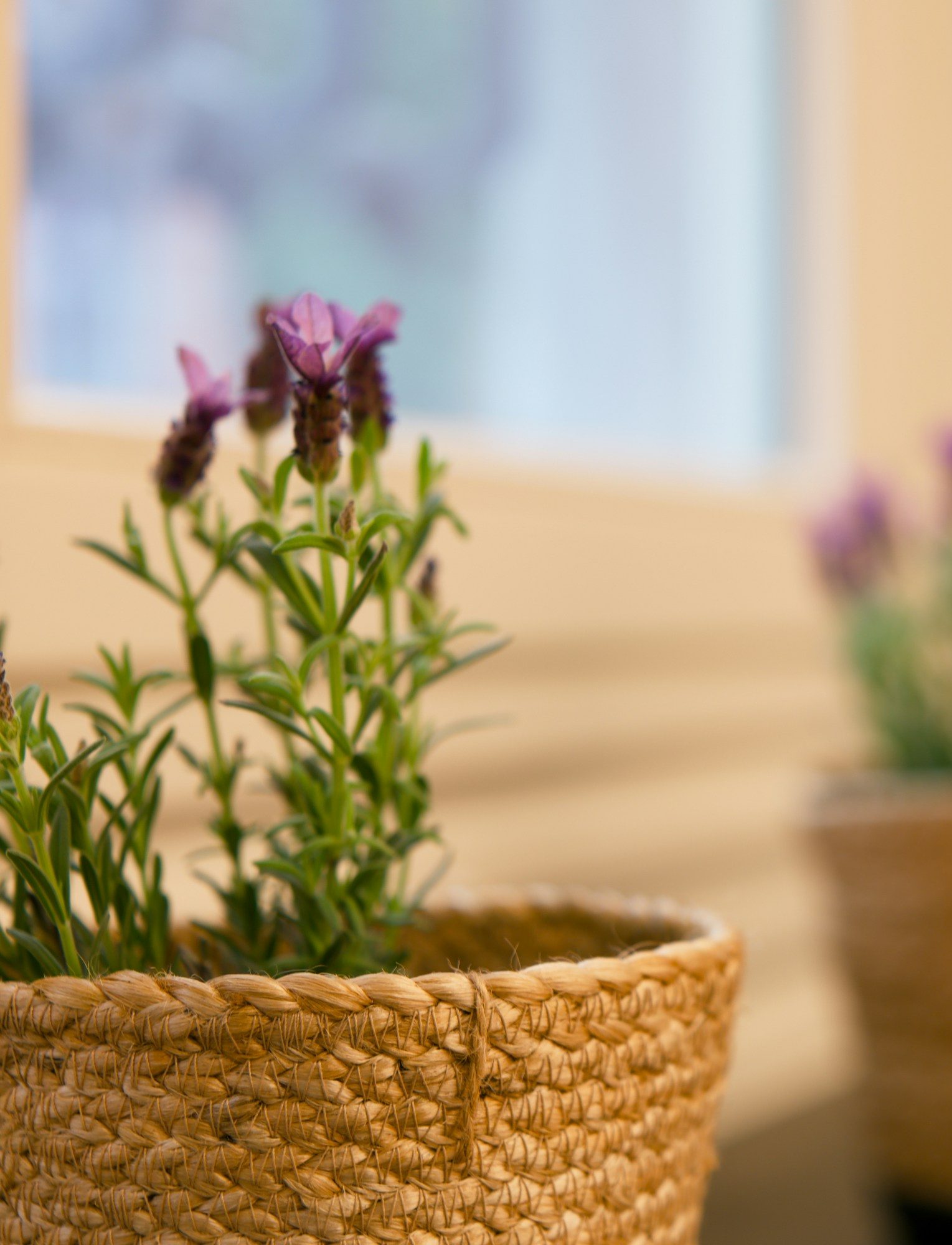
Italian Lavender (Lavandula stoechas) is a distinctive evergreen shrub celebrated for its aromatic foliage, striking flower heads, and enduring connection with Mediterranean landscapes. Native to the coastal hills, rocky slopes, and open woodlands of southern Europe and the Mediterranean Basin, it thrives where abundant sunshine, free-draining soils, and warm summers shape the rhythm of the seasons. These natural conditions have produced a plant of remarkable resilience and understated elegance.
Unlike the slender flower spikes of English Lavender, Italian Lavender is instantly recognised by its compact flower heads topped with colourful, petal-like bracts that resemble delicate butterfly wings or small banners fluttering in the breeze. These distinctive blooms appear from spring into early summer and often continue intermittently into autumn in mild climates, bringing vibrant colour and movement to the garden over an extended period.
The evergreen foliage is equally appealing. Fine, silvery-green leaves create soft mounds that remain attractive throughout the year, releasing their characteristic fragrance whenever warmed by the sun or gently brushed by passing hands. Together, the flowers and foliage evoke the warmth and openness of Mediterranean landscapes, even in gardens far from their native home.
Italian Lavender is a plant that seems to belong wherever sunlight lingers. Whether growing beside a path, spilling over a stone wall, or brightening a container on a terrace, it quietly captures the character of long summer days and dry, fragrant hillsides.
Appearance & Growth Habit
Italian Lavender is a compact evergreen shrub that typically grows between 45 and 90 centimetres in height and spread, depending on the cultivar and growing conditions. It naturally forms rounded, bushy mounds that remain attractive throughout the year with only minimal pruning.
The foliage consists of narrow, softly textured leaves covered with fine silvery hairs that help reduce water loss during periods of summer heat. Their grey-green colouring provides an attractive contrast to neighbouring plants and serves as a calm backdrop for the vivid flowers.
Flower spikes emerge above the foliage from mid to late spring. Each compact flower head is composed of numerous tiny deep purple florets crowned by larger coloured bracts that range from rich violet to soft pink or white, depending on the variety. These colourful bracts are one of the defining features of the species, creating a lively display that continues well beyond the opening of the individual flowers.
As the shrub matures, the lower stems gradually become woody while fresh shoots emerge each spring, maintaining the plant’s naturally rounded form.
Growing Conditions
Italian Lavender thrives in full sun and performs best where it receives at least six hours of direct sunlight each day. Bright, open positions encourage compact growth, abundant flowering, and the highest concentration of aromatic oils within the foliage.
Excellent drainage is essential for long-term success. The plant grows naturally in rocky, sandy, and gravelly soils where excess moisture drains away quickly. Heavy clay soils should be improved before planting or avoided altogether, as prolonged winter wetness is one of the few conditions that may shorten the plant’s lifespan.
Moderately fertile soils are generally preferable to rich, highly fertilised ground. Excessive fertility often encourages lush foliage at the expense of flowers while reducing the naturally compact growth habit.
Italian Lavender is well suited to Mediterranean-style gardens, gravel gardens, rockeries, raised beds, coastal landscapes, and containers where drainage can be carefully managed.
Care & Maintenance
Italian Lavender is a reliable and relatively low-maintenance shrub once established. Young plants benefit from regular watering while developing their root systems, but mature specimens become notably drought tolerant and usually require supplementary watering only during extended dry periods.
An annual light trim immediately after the main flowering period encourages fresh growth and helps maintain the plant’s rounded shape. Pruning should avoid cutting deeply into old woody stems where little new growth may develop.
A light application of compost around the base in spring is generally sufficient to support healthy growth. High-nitrogen fertilisers are unnecessary and may reduce flowering while encouraging soft, weak growth.
Container-grown plants benefit from occasional repotting into fresh, free-draining compost to maintain healthy root development. Ensuring good airflow around the plant further reduces the likelihood of fungal diseases, particularly in regions with higher rainfall.
With suitable drainage and generous sunlight, Italian Lavender often remains an attractive feature of the garden for many years.
Seasonal Notes
Spring brings renewed growth as fresh silver-green shoots emerge along the stems. Flower buds quickly follow, preparing for the colourful display that marks the beginning of the warmer months.
Late spring and early summer provide the principal flowering season. Bees, butterflies, and many other pollinating insects are drawn to the nectar-rich blooms, filling the garden with gentle movement and quiet activity.
During summer, the shrub continues to provide structure through its evergreen foliage, while additional flowers may appear following light pruning. Warm sunshine intensifies the fragrance of both leaves and flowers, making the plant particularly rewarding near pathways and seating areas.
Autumn sees growth gradually slow, though mild climates often enjoy a second flush of flowers. Throughout winter, the evergreen foliage maintains colour and form, quietly carrying the memory of summer until the cycle begins again.
Uses
Italian Lavender is one of the finest shrubs for Mediterranean gardens, gravel gardens, cottage gardens, coastal landscapes, and sunny containers. Its compact habit makes it especially effective along pathways, bordering terraces, or planted in groups where its silvery foliage and colourful flower heads create broad drifts of texture and colour.
The nectar-rich flowers provide an important food source for bees, butterflies, and many other pollinating insects, making the plant a valuable addition to wildlife-friendly gardens. Its aromatic foliage also contributes to sensory gardens, where fragrance becomes as significant as visual beauty.
Fresh and dried flower stems are frequently used in floral arrangements, while the fragrant foliage lends itself to potpourri, sachets, and other decorative uses. The plant’s naturally tidy habit also makes it suitable for low informal hedging and repeated planting throughout sunny landscapes.
Perhaps the greatest charm of Italian Lavender lies in the atmosphere it creates. A warm afternoon, a gentle breeze, and the soft fragrance rising from the silvery foliage can evoke distant Mediterranean hillsides with surprising ease. It reminds us that gardens have the remarkable ability to carry the character of other landscapes, allowing us to experience something of their spirit without ever leaving home.