Gardenia radicans
Gardenia jasminoides ‘Radicans‘)
(formerly known as Gardenia augusta ‘Radicans‘)


Plant Overview
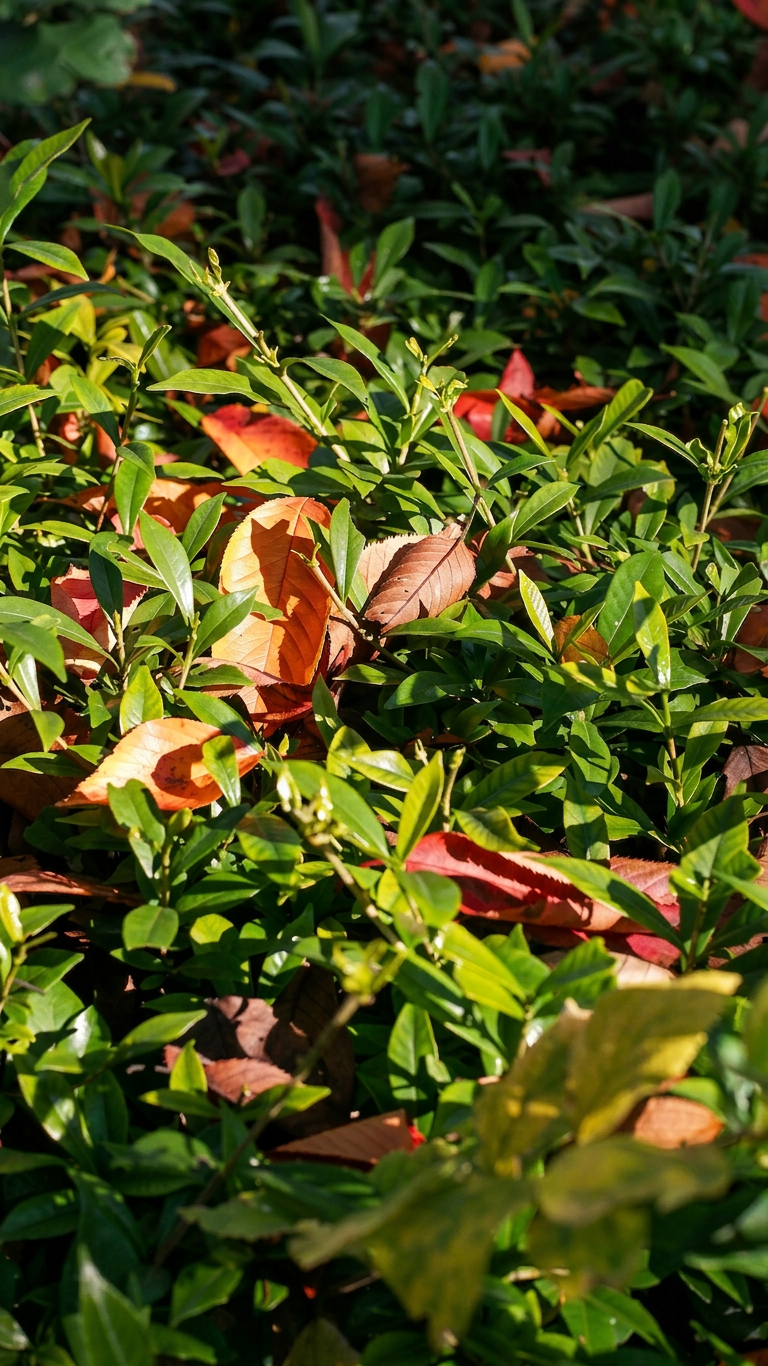
Gardenia radicans (Gardenia jasminoides ‘Radicans’) is a compact, evergreen flowering shrub admired for its glossy foliage, exquisite fragrance, and naturally low, spreading habit. A dwarf cultivar of the common gardenia, it offers all the beauty and perfume of its larger relative while remaining perfectly suited to smaller gardens, containers, and the front of borders. Its restrained size and graceful form have made it one of the most popular groundcover gardenias cultivated in temperate and subtropical landscapes.
Derived from Gardenia jasminoides, whose wild ancestors are native to the warm woodlands of China, Japan, and Taiwan, Gardenia radicans flourishes in sheltered positions where acidic soils, reliable moisture, and filtered sunlight recreate the conditions of its natural heritage. These woodland origins are reflected in its preference for cool roots, even moisture, and protection from harsh afternoon sun.
During late spring and early summer, the shrub becomes adorned with beautifully formed creamy white flowers. Although smaller than those of larger gardenia varieties, they possess the same rich, unmistakable fragrance that has captivated gardeners for centuries. Their perfume drifts gently through the garden on still evenings, adding another layer of enjoyment beyond their visual beauty.
Gardenia radicans is a plant that rewards close attention. It quietly fills spaces that might otherwise be overlooked, softening paths, walls, and garden edges with evergreen foliage and fragrant blooms. Rather than commanding attention through size, it offers beauty through refinement, consistency, and the gentle pleasure of discovering its flowers close to the ground.
Appearance & Growth Habit
Gardenia radicans is a compact evergreen shrub that typically grows between 30 and 60 centimetres in height while spreading to around one metre or more over time. Its naturally broad, mounding habit allows it to form attractive carpets of foliage that gradually soften the edges of borders and garden beds.
The leaves are small, oval, and richly glossy, their deep green colour providing year-round structure and contrast within the garden. Their polished surface reflects changing light beautifully, particularly after rainfall or in the softer light of early morning.
The flowers appear singly or in small clusters among the foliage during late spring and early summer. Each bloom is creamy white, delicately layered, and gently waxy in texture, opening gradually before releasing a rich, sweet perfume that is especially noticeable during warm evenings. In favourable conditions, occasional flowers may continue to appear later in the growing season.
With maturity, the plant develops a dense network of gently arching branches that create an elegant, low-growing form. Its naturally compact habit rarely requires heavy pruning, allowing it to retain its graceful shape with minimal intervention.
Growing Conditions
Gardenia radicans grows best in partial shade or gentle morning sun, particularly in regions where summers are warm. In cooler climates it will tolerate more direct sunlight, provided the soil remains consistently moist.
Like all gardenias, it requires acidic soil with a pH between 5.0 and 6.5. The growing medium should be fertile, rich in organic matter, moisture-retentive, and free-draining. Heavy alkaline soils are unsuitable unless significantly amended.
Consistent soil moisture is essential, especially during periods of active growth and flower bud development. Organic mulches such as composted pine bark or leaf mould help maintain cool root conditions while gradually enriching the soil.
Its compact size makes Gardenia radicans particularly well suited to raised beds, courtyard gardens, containers, rock gardens, and sheltered borders where its flowers and fragrance can be appreciated at close range.
Care & Maintenance
Gardenia radicans benefits from regular, thoughtful care rather than frequent intervention. Water deeply during dry weather, allowing the soil to remain evenly moist without becoming saturated. Newly planted shrubs require more consistent watering until they become well established.
An annual application of compost or an acidic organic mulch supports healthy root development while improving soil structure. During spring and early summer, a fertiliser formulated for acid-loving plants encourages strong foliage and abundant flowering.
Light pruning immediately after flowering helps maintain the shrub’s naturally compact form and encourages dense branching. Removing spent flowers also keeps the plant tidy while directing energy into fresh growth and the development of future flower buds.
Container-grown specimens should be repotted every few years using a high-quality acidic growing medium. Regular observation of the foliage allows nutrient deficiencies, particularly iron chlorosis in alkaline conditions, to be recognised before they affect the plant’s appearance.
Seasonal Notes
Spring awakens the shrub with fresh glossy growth as flower buds gradually begin to form among the foliage. The deep green leaves provide an attractive backdrop as anticipation quietly builds.
Late spring and early summer bring the principal flowering season. Creamy white blooms appear in succession, filling the surrounding air with their unmistakable perfume. Warm evenings often seem to carry the fragrance further, making the shrub especially rewarding near garden paths or seating areas.
Summer sees the flowering display gradually soften, although healthy plants may continue producing occasional blooms. Throughout this period the evergreen foliage maintains its polished appearance, providing reliable structure even after the flowers have faded.
Autumn and winter reveal the quiet strength of the plant. The glossy leaves continue to brighten sheltered corners of the garden while the compact framework prepares for another season of growth. Even without flowers, the shrub retains a calm presence that anchors the surrounding planting.
Uses
Gardenia radicans is ideally suited to the front of mixed borders, woodland gardens, courtyard plantings, pathways, retaining walls, and containers where its low-growing habit and fragrant flowers can be appreciated at close range. It is equally effective as an evergreen groundcover beneath taller acid-loving shrubs, gradually knitting together the spaces between larger plantings.
Its refined form combines naturally with camellias, azaleas, pieris, hydrangeas, ferns, and other woodland plants, creating layered compositions that remain attractive throughout the year. The glossy foliage also provides an elegant contrast to softer textures such as ornamental grasses and fine-leaved perennials.
Positioned near entrances, patios, terraces, or garden seating, the richly scented flowers transform ordinary moments into memorable ones. Their fragrance is often discovered before the flowers themselves are noticed, quietly drawing people closer.
Gardenia radicans reminds us that the smallest plants often leave the most lasting impressions. It spreads gently rather than quickly, flowers generously without extravagance, and fills the garden with fragrance that lingers long after the eye has moved elsewhere. In doing so, it reveals that beauty is not always measured by height or scale, but by the quiet way a plant becomes woven into the places we return to again and again.