PLANTS FOR POOR DRAINING SOILS
Plants suited to poor draining soils bring resilience, texture, and seasonal beauty into areas of the garden where excess moisture and heavier soils may limit the success of many traditional plants. While waterlogged or clay-based soils are often viewed as challenging, they can provide ideal growing conditions for a remarkable range of moisture-loving trees, shrubs, perennials, grasses, and native plants that thrive in damp environments.
This section explores plants adapted to soils that remain consistently moist or experience periods of seasonal water retention. Many of these plants contribute lush foliage, bold texture, strong seasonal colour, and naturalistic movement, helping transform difficult garden conditions into vibrant and expressive landscapes.
Moisture-retentive soils are commonly found in low-lying garden areas, beside ponds and waterways, beneath slopes where water collects, or within heavier clay-based landscapes. Rather than constantly fighting against these conditions, selecting plants naturally adapted to wetter soils allows the garden to feel more balanced, sustainable, and closely connected to its environment.
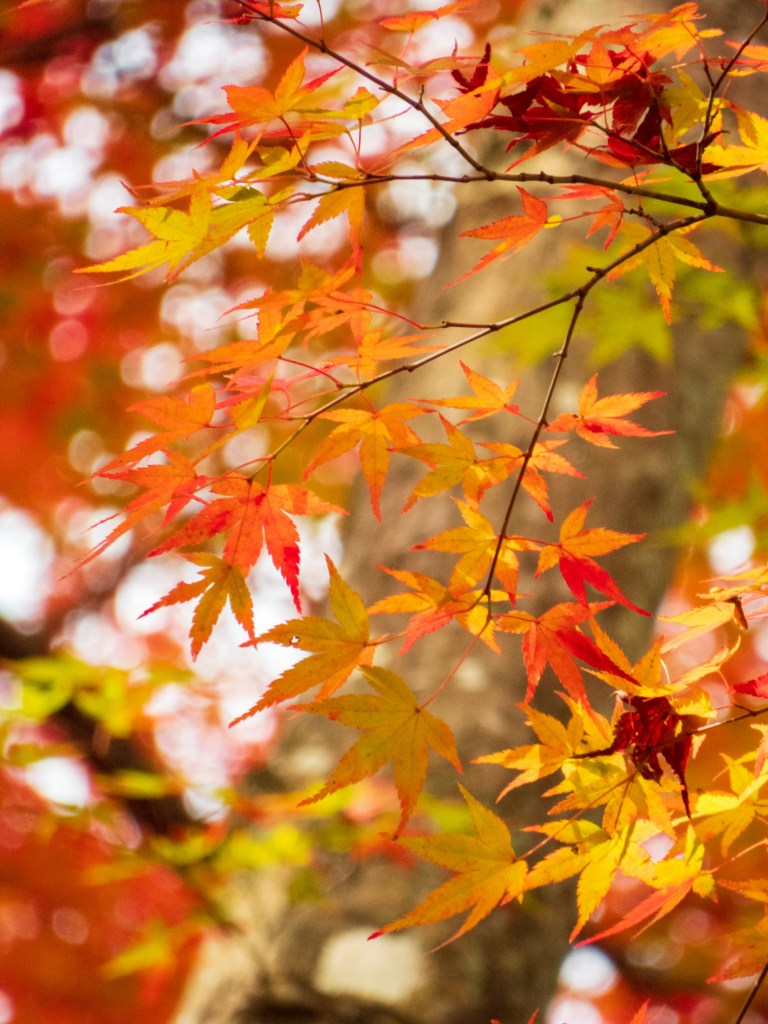
Plants such as Irises, Cannas, Ligularias, Gunnera, Japanese Maples, Dogwoods, Willow, and moisture-loving ornamental grasses perform beautifully in damp soils, contributing softness, structure, and dramatic foliage throughout the seasons. Ferns, Hostas, Astilbes, and many woodland perennials also thrive in sheltered moisture-retentive conditions, helping create layered gardens filled with texture and calmness.
Australian native plants adapted to seasonally wet or heavier soils may also feature within this category, particularly species naturally occurring near creeks, wetlands, and coastal environments. Many native sedges, rushes, Lomandras, and wet-tolerant grasses contribute excellent structure and biodiversity value while supporting more naturalistic and resilient planting schemes.
Poor draining soils can also create ideal opportunities for rain gardens and waterwise landscape design. These gardens are specifically designed to slow, absorb, and filter excess water while supporting pollinators, birds, frogs, and beneficial wildlife. When planted thoughtfully, moisture-loving gardens often develop a lush and immersive atmosphere that feels cooling, restorative, and richly seasonal.
Plants suited to damp conditions frequently provide strong seasonal interest. Bold summer foliage, flowering perennials, textured seed heads, colourful winter stems, and reflective water surfaces all help create dynamic garden experiences throughout the year. During periods of rainfall, these gardens often feel especially vibrant and alive as moisture intensifies foliage colour and growth.
While many plants tolerate occasional wet conditions, persistently waterlogged soils may still require some improvement through the addition of organic matter, drainage channels, raised planting areas, or careful plant selection based on the severity of the site conditions.
Whether creating a woodland retreat, a pond-side planting scheme, a naturalistic rain garden, or simply working with heavier clay soils more harmoniously, plants for poor draining soils bring softness, resilience, and ecological richness into the landscape. Their ability to thrive where water gathers allows gardens to feel more natural, expressive, and deeply connected to the rhythms of weather and seasonal change.