English Spinach
Spinacia oleracea

Plant Overview
English Spinach (Spinacia oleracea) is one of the world’s most widely grown leafy vegetables, valued for its tender foliage, rapid growth, and remarkable nutritional qualities. Believed to have originated in ancient Persia before spreading through the Middle East into Europe, spinach has been cultivated for centuries and remains a staple in vegetable gardens across many climates.
Unlike crops that require months of patient cultivation, English Spinach offers one of the earliest rewards in the productive garden. Its leaves develop quickly, often allowing harvesting within only a few weeks of sowing. This rapid growth gives the plant an energy that reflects the changing seasons, making it particularly welcome in spring and autumn when fresh harvests are especially appreciated.
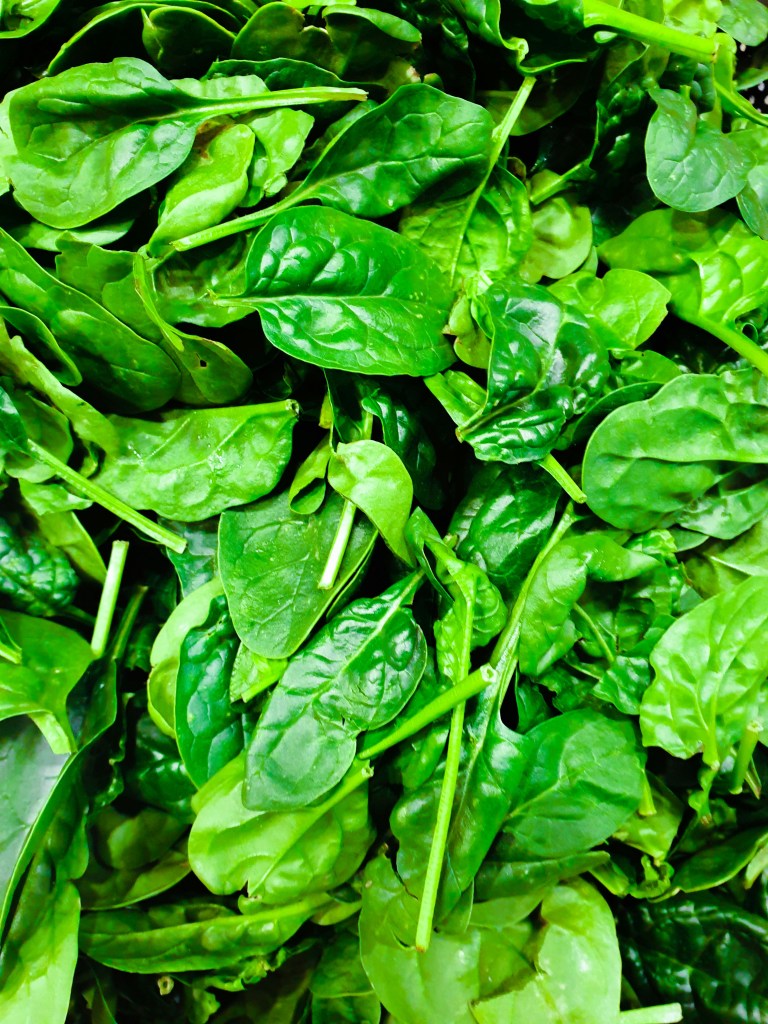
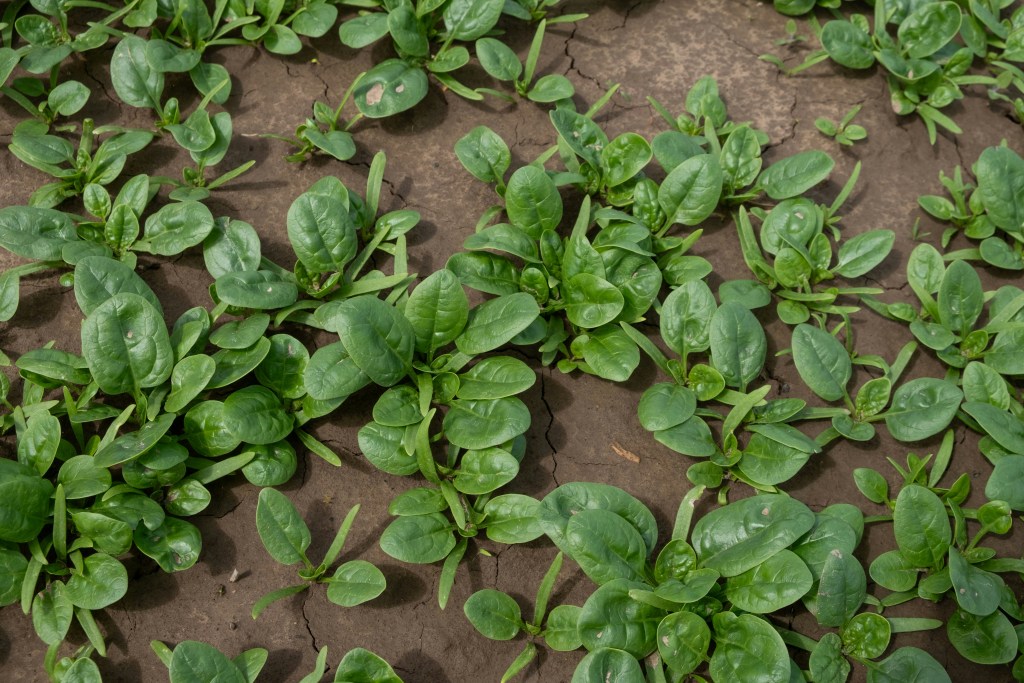
Although commonly associated with healthy eating, spinach possesses an understated beauty of its own. Fresh green leaves gather into neat rosettes that brighten vegetable beds, raised planters, and kitchen gardens. Morning dew often settles across their gently textured surfaces, while new leaves continue to emerge from the centre of the plant as older ones are harvested.
English Spinach is a reminder that productivity and beauty often exist side by side. Its value lies not only in what it provides for the kitchen but also in the quiet rhythm of sowing, harvesting, and watching fresh leaves return again and again throughout the growing season.
Appearance & Growth Habit
English Spinach is a fast-growing annual leafy vegetable that forms a compact rosette of foliage close to the ground. Depending on the variety, mature plants generally reach between 20 and 40 centimetres in height and spread, with individual leaves varying considerably in size and texture.
The leaves are smooth or lightly crinkled, broad, and oval to arrow-shaped, displaying a rich green colour that reflects healthy, vigorous growth. Younger leaves are especially tender and are often harvested for salads, while larger mature leaves develop greater substance, making them well suited to cooking.
As the plant matures, fresh leaves continue emerging from the centre of the rosette, allowing repeated harvesting without removing the entire plant. Under warm conditions or increasing day length, a central flowering stem eventually develops, signalling the transition from leafy growth to seed production.
The flowers themselves are small and inconspicuous, with little ornamental value. Once flowering begins, the leaves often become tougher and more bitter, making early harvesting one of the keys to enjoying the plant at its best.
Growing Conditions
English Spinach grows best during the cooler months of the year, thriving in the mild conditions of spring and autumn. In regions with gentle winters, it may also be grown successfully throughout much of the colder season.
The plant prefers full sun during cooler weather, although light afternoon shade is beneficial where spring temperatures rise quickly. Excessive heat encourages premature flowering, known as bolting, which shortens the harvest period.
Fertile, moisture-retentive, well-drained soil rich in organic matter provides the ideal growing environment. Consistent moisture supports rapid leaf development, while irregular watering may contribute to stress and earlier flowering.
Spinach is particularly well suited to raised beds, vegetable gardens, kitchen gardens, containers, and succession planting. Sowing small quantities every few weeks provides a continuous harvest over an extended season.
Care & Maintenance
English Spinach is straightforward to grow and rewards regular attention with abundant harvests. Seeds are usually sown directly into prepared soil where the plants are to mature, as they establish quickly and dislike excessive root disturbance.
Maintaining even soil moisture is one of the most important aspects of care. Dry conditions may encourage bolting, while excessive watering in poorly drained soils can lead to root problems. Applying organic mulch helps retain moisture while reducing weed competition.
A nitrogen-rich fertiliser or compost incorporated before planting encourages lush leafy growth. Additional feeding is generally unnecessary in fertile soils, although liquid feeds may support continued production during extended harvests.
Harvesting regularly encourages the development of fresh leaves. Picking the outer leaves first allows the central growing point to continue producing new foliage for many weeks. Alternatively, whole plants may be harvested once they reach the desired size.
Monitoring for pests such as slugs, snails, aphids, or leaf miners allows problems to be addressed early while maintaining healthy crops.
Seasonal Notes
English Spinach follows the rhythm of the cooler seasons. Spring sowings establish quickly as the soil begins to warm, producing fresh leaves that are among the earliest harvests from the vegetable garden.
During late spring, longer days and increasing temperatures gradually encourage flowering. Harvesting regularly before this stage ensures the leaves remain tender and flavoursome.
Autumn provides another excellent opportunity for cultivation. Cooling temperatures allow the plants to develop steadily, often producing abundant foliage well into winter in mild climates.
Winter growth is slower but often exceptionally sweet, as cool conditions encourage the development of tender leaves while delaying flowering. In sheltered gardens, spinach continues to provide fresh harvests when many other vegetables have entered dormancy.
Each season reveals a different character of the plant, reminding gardeners that successful cultivation often comes from working alongside natural cycles rather than against them.
Uses
English Spinach is one of the most versatile leafy vegetables in the kitchen. Young leaves are prized for fresh salads, while mature foliage is widely used in soups, stir-fries, curries, pasta dishes, quiches, omelettes, smoothies, and countless cooked recipes. Its mild flavour allows it to complement a wide variety of ingredients without overwhelming them.
Rich in vitamins A, C, and K, along with folate, iron, and numerous antioxidants, spinach has long been valued as part of a balanced diet. Harvesting leaves directly from the garden also ensures exceptional freshness, often preserving flavour and texture that cannot easily be matched by commercially stored produce.
The compact growth habit makes English Spinach suitable for gardens of every size, from traditional vegetable plots to raised beds, containers, and small urban courtyards. Successive sowings allow gardeners to enjoy repeated harvests throughout the cooler months, making it one of the most rewarding crops for productive gardening.
There is a quiet satisfaction in harvesting only the leaves needed for a meal while leaving the plant to continue growing. Within days, fresh foliage begins to emerge once again, offering another harvest in its own time. It is a simple reminder that thoughtful gathering often allows abundance to continue, season after season.