Corn
Zea mays

Plant Overview
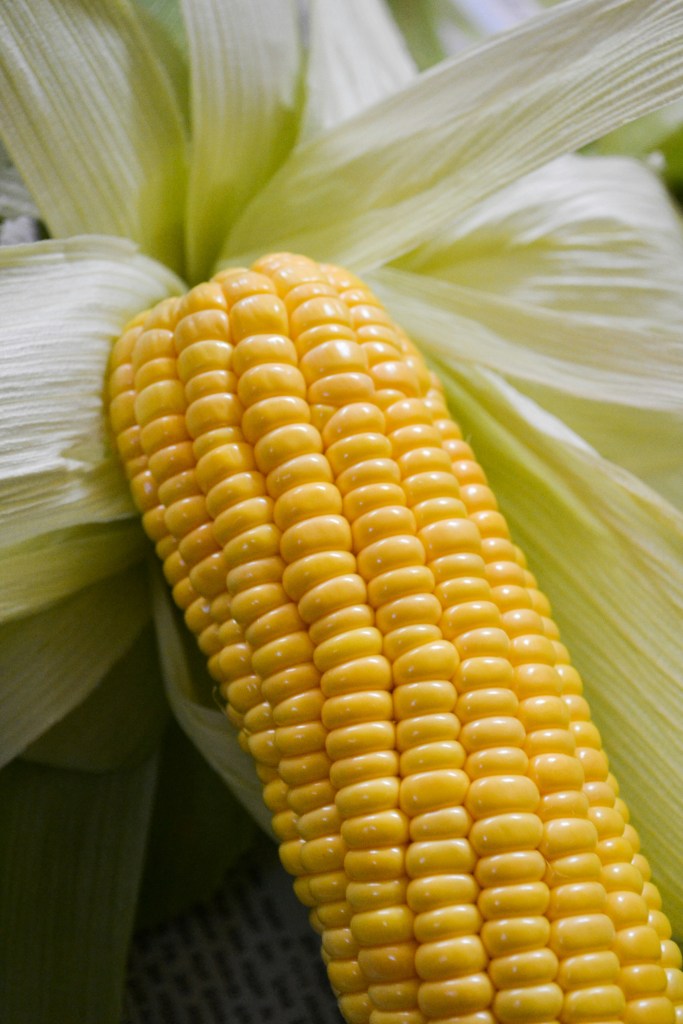
Corn is a tall warm-season crop valued for its sweet edible cobs, strong architectural growth, and ability to create dramatic seasonal presence within productive gardens. Widely grown in kitchen gardens, small-scale productive plots, and larger edible landscapes, corn contributes both abundance and visual structure throughout the summer growing season.
Its upright stems and broad foliage create a bold vertical element within the garden, helping edible spaces feel layered, immersive, and highly seasonal. Corn is especially effective when planted in groups where the collective planting creates movement, rhythm, and a natural screening effect as plants mature.
Beyond its productive value, corn carries a strong connection to traditional seasonal harvesting and summer food growing, making it one of the most recognisable and rewarding warm-season crops within the edible garden.
Appearance & Growth Habit
Corn produces tall upright stems that commonly reach between 1.5 and 3 metres in height depending on the cultivar and growing conditions.
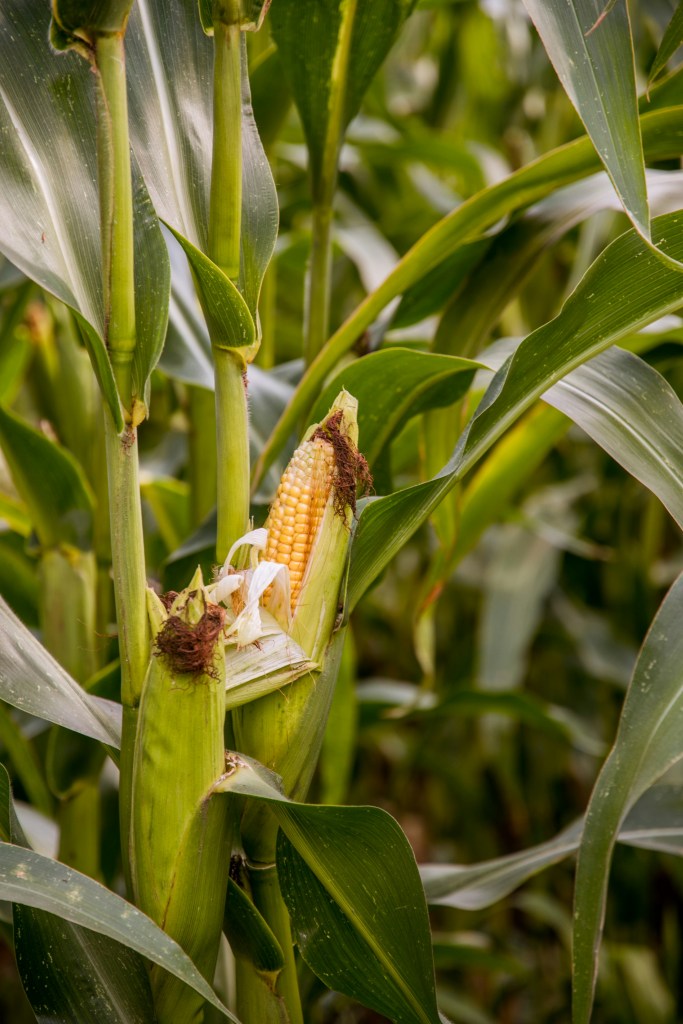
Plants develop long blade-like leaves that arch gently from the stems, creating strong vertical texture and movement within the landscape. During summer, tasselled flower heads form at the top of the plant while female flower structures lower on the stems develop into edible cobs.
As cobs mature, silky threads emerge from the husks and gradually dry as kernels swell and ripen. The dense upright growth habit allows corn to create substantial seasonal structure within productive spaces.
When planted in blocks or drifts, corn contributes a dramatic and immersive atmosphere reminiscent of larger agricultural landscapes while still integrating beautifully into home kitchen gardens.
Growing Conditions
Corn grows best in full sun with fertile moisture-retentive soil enriched with compost or well-rotted organic matter.
Warm growing conditions are essential for strong development, successful pollination, and sweet well-filled cobs. Seeds are commonly sown directly into the garden during spring once frost risk has passed and soil temperatures begin warming.
Corn performs best when planted in grouped blocks rather than long single rows, as this improves wind pollination and helps produce fuller cobs.
Sheltered positions protected from strong winds are beneficial, particularly in exposed garden settings where taller stems may become vulnerable during storms or periods of heavy growth.
Care & Maintenance
Consistent watering is important throughout active growth and cob development, particularly during hot summer weather when moisture demand increases significantly.
Applying mulch around the base of plants helps conserve soil moisture, suppress weeds, and regulate soil temperatures during warmer periods.
Corn benefits from fertile growing conditions and regular feeding throughout the season, especially during rapid vertical growth and cob formation.
Because corn is wind pollinated, gently shaking mature tassels during dry weather can sometimes assist pollination in smaller garden plantings.
Harvesting should occur once kernels become plump and release a milky sap when gently pressed.
Seasonal Notes
Corn is strongly associated with summer and early autumn harvesting, with plants reaching peak height and productivity during the warmest months of the year.
As the season progresses, the foliage gradually develops softer golden tones before drying back toward autumn.
The changing texture and movement of mature corn planting contribute strongly to the atmosphere of late summer productive gardens.
Their bold seasonal growth makes corn especially effective for creating temporary screening, spatial definition, and visual height within edible landscapes.
Uses
Corn is widely used fresh, grilled, steamed, boiled, roasted, preserved, and incorporated into countless savoury dishes and seasonal meals.
Sweetcorn varieties are harvested while young and tender for fresh eating, while some cultivars are grown specifically for drying, flour production, or ornamental use.
Beyond its culinary value, corn contributes dramatic structure, seasonal movement, and architectural rhythm within productive gardens.
Its strong vertical form, broad foliage, and association with summer abundance help create edible spaces that feel immersive, productive, and deeply connected to the rhythm of seasonal food growing.