CARROT
Daucus carota subsp. sativa

Plant Overview
Carrots are one of the most widely grown and rewarding root vegetables within the kitchen garden, valued for their crisp texture, sweet flavour, and adaptability across a broad range of climates and growing conditions. Their ease of cultivation and versatility in the kitchen make them an essential crop for both beginner and experienced gardeners alike.
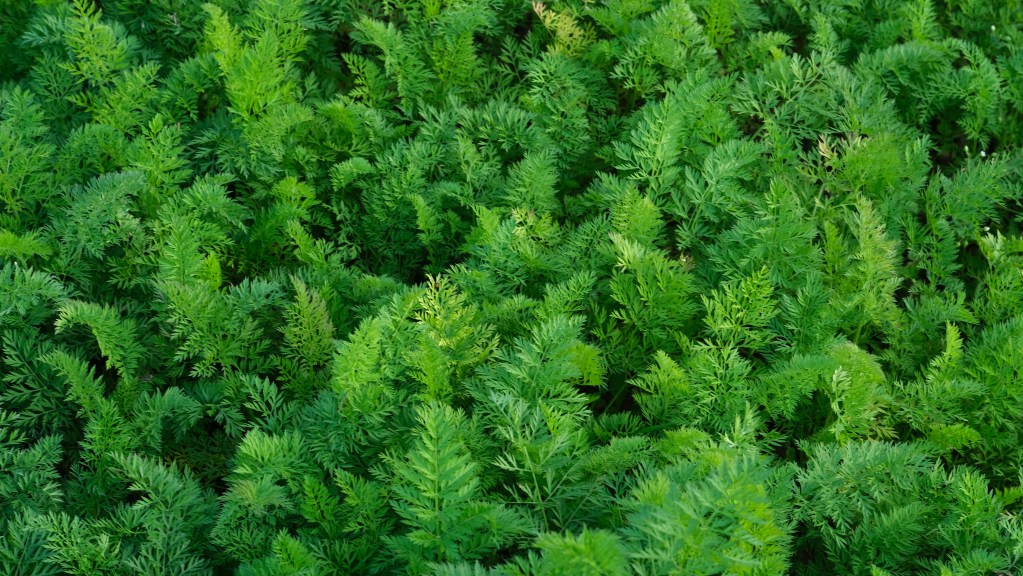
Often associated with productive seasonal gardening, carrots are appreciated not only for their edible roots, but also for the softness and texture their fine feathery foliage contributes to garden beds and productive borders. Available in a wide variety of colours, shapes, and sizes, carrots help create edible gardens that feel abundant, layered, and visually engaging throughout the growing season.
Carrots are particularly rewarding because they can be succession sown over many months, allowing for extended harvests from late spring through autumn and, in some climates, well into winter.
Appearance & Growth Habit
Carrots form low-growing leafy plants with finely divided fern-like foliage that creates softness and texture within the kitchen garden. Beneath the soil, swollen taproots gradually develop into the edible portion of the plant.
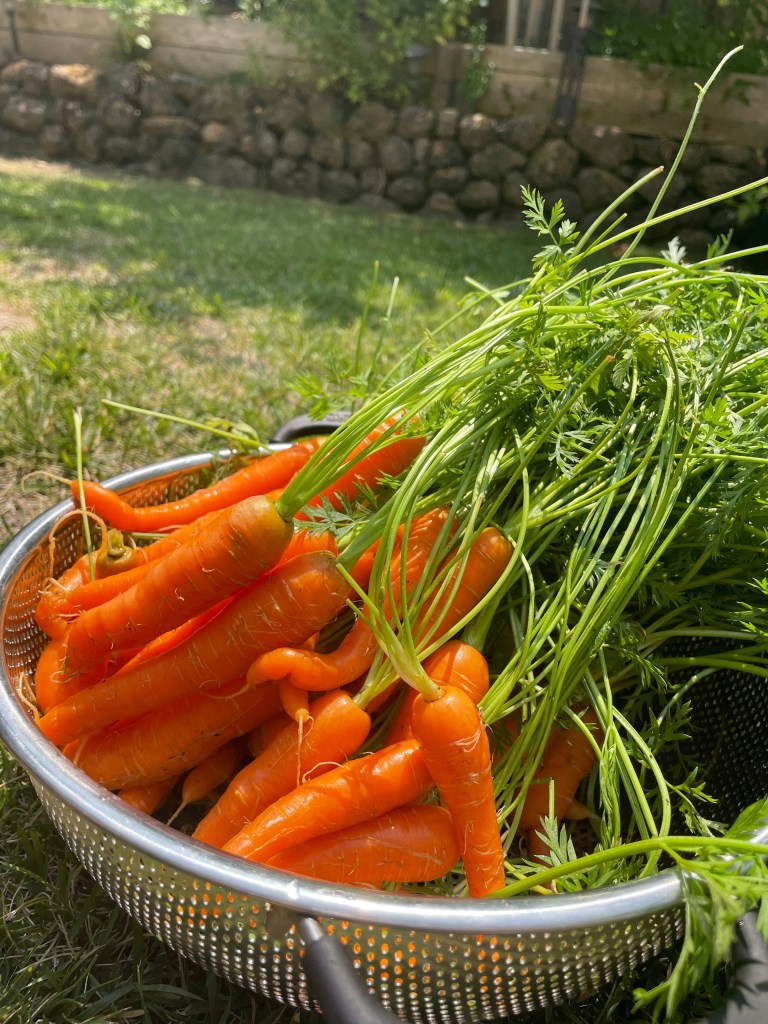
Root shape and size vary considerably depending on the cultivar, ranging from long tapered roots to shorter rounded forms suited to heavier soils and container growing. Although orange varieties are most common, carrots are also available in purple, yellow, cream, red, and deep burgundy tones.
Their delicate foliage contrasts beautifully with broader-leaved vegetables and contributes a lighter more airy texture to productive planting schemes.
Growing Conditions
Carrots grow best in full sun with deep, loose, free-draining soil that allows roots to develop evenly without obstruction. Soil should ideally be stone-free and lightly cultivated to encourage straighter root growth.
Seeds are generally sown directly into the garden from early spring through summer depending on climate conditions. Because carrot seedlings dislike root disturbance, transplanting is generally avoided.
Consistent moisture during germination is important as seeds can be slow to establish, particularly during warmer conditions.
Carrots are well suited to raised beds, traditional vegetable gardens, containers, and succession planting systems where harvests can continue across multiple seasons.
Care & Maintenance
Maintaining even soil moisture is important throughout active growth to help prevent splitting and irregular root development. Applying mulch around plants can assist with moisture retention and temperature regulation during warmer periods.
Seedlings should be thinned carefully once established to reduce overcrowding and encourage healthy root formation.
Fresh uncomposted manure should generally be avoided prior to sowing as it may contribute to forked or distorted roots.
Regular succession sowing every few weeks helps provide continuous harvests across the season.
In some areas, protection from carrot fly may be beneficial using crop covers or companion planting techniques.
Seasonal Notes
Carrots are commonly grown from spring through autumn, although harvest timing varies depending on sowing date and cultivar selection.
Cooler growing temperatures during autumn often enhance sweetness and flavour as sugars naturally concentrate within the roots.
Some varieties are especially suitable for long-term storage, making carrots an important crop for extending seasonal harvests into winter.
Their ability to remain productive across extended periods makes carrots a valuable foundation crop within productive gardens.
Uses
Carrots are widely used fresh, roasted, steamed, juiced, pickled, and incorporated into countless savoury and sweet dishes.
Baby carrots can be harvested young for tender seasonal eating, while mature roots store well for later use.
Beyond their culinary value, carrots contribute softness, texture, and productive abundance within kitchen gardens through their fine foliage and reliable harvests.
Their versatility, ease of cultivation, and broad seasonal use make carrots one of the most rewarding edible plants for home gardeners seeking both practicality and seasonal connection to food growing.