Camellia
Camellia japonica

Plant Overview
Camellia (Camellia japonica) is one of the most elegant evergreen flowering shrubs cultivated in temperate gardens, admired for its exquisite blooms, glossy foliage, and remarkable longevity. Native to the woodlands of Japan, Korea, and parts of eastern China, it grows naturally beneath the dappled canopy of forests where rich, acidic soils, reliable rainfall, and shelter from harsh sunlight create ideal growing conditions. These woodland origins continue to shape the way the plant thrives in gardens today.
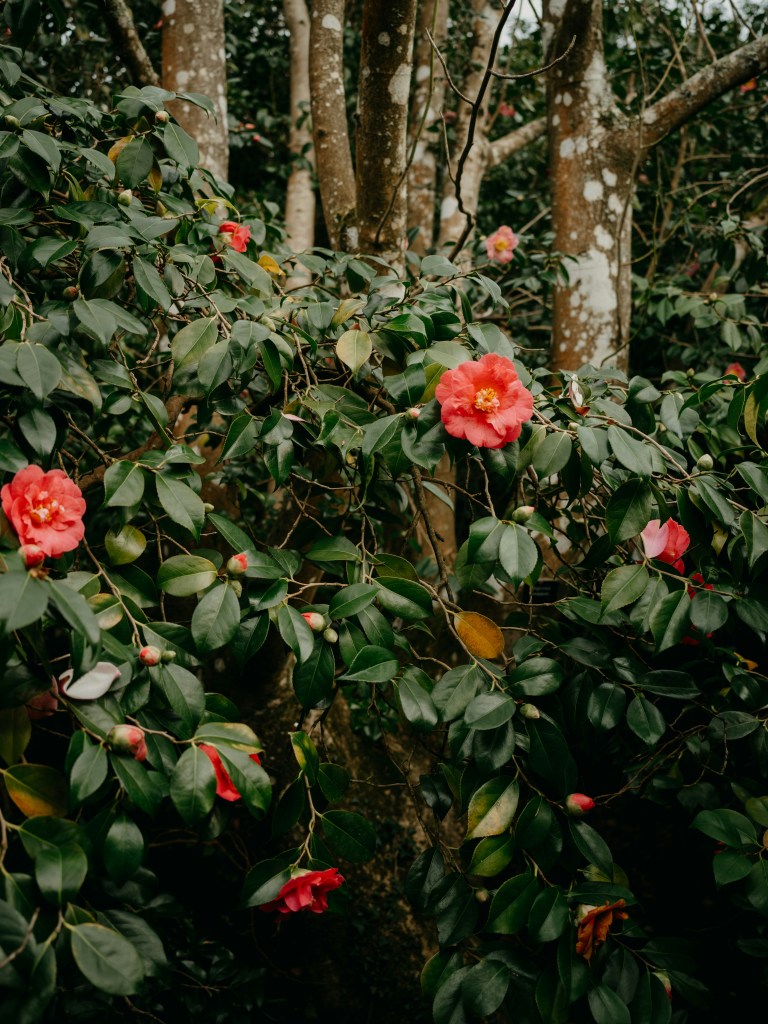
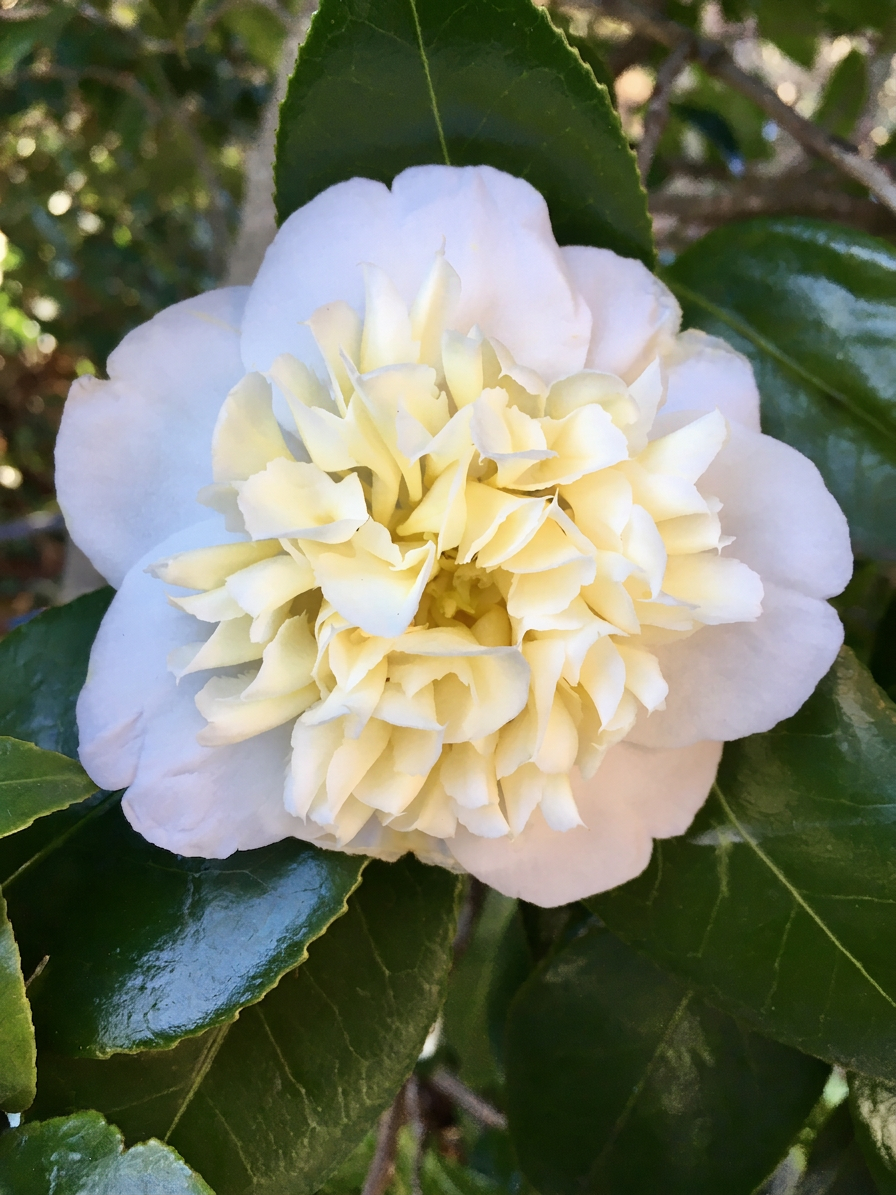
For centuries, Camellia japonica has been celebrated as a symbol of refinement and enduring beauty. Thousands of cultivars have been developed, producing flowers in an extraordinary range of forms, from simple single blooms to perfectly symmetrical formal doubles. Colours include pure white, soft pink, rich crimson, scarlet, and delicately variegated combinations that appear to have been carefully painted by hand.
Unlike many flowering shrubs that bloom during the warmth of summer, Camellias bring colour to the garden from late winter into spring. Their flowers appear when much of the landscape is only beginning to awaken, offering a welcome reminder that a new growing season is quietly unfolding.
There is a quiet dignity about Camellia japonica. It does not flower in haste, nor does it rely on dramatic displays of foliage or rapid growth. Instead, it matures steadily over many years, becoming increasingly graceful with age and rewarding patience with blooms that seem almost sculptural in their perfection.
Appearance & Growth Habit
Camellia japonica is a slow to moderately growing evergreen shrub that typically reaches between 2 and 5 metres in height, although mature specimens can become considerably larger over many decades. Its naturally dense branching forms a rounded, upright habit that provides year-round structure within the garden.
The foliage consists of glossy, leathery leaves that are deep green, oval, and finely serrated along the margins. Their polished surface reflects light beautifully and remains attractive throughout every season, providing an elegant backdrop for the flowers.
Flower buds develop during the previous growing season before gradually opening from late winter into spring. Individual blooms vary greatly according to cultivar, ranging from simple single flowers with golden centres to richly layered doubles resembling finely crafted roses or peonies. Many flowers measure between 8 and 12 centimetres across, creating a striking contrast against the rich evergreen foliage.
As the shrub matures, its smooth grey stems gradually develop character, giving older plants a timeless quality that allows them to become permanent features within the landscape.
Growing Conditions
Camellia japonica thrives in partial shade, particularly where it receives morning sun and protection from the stronger afternoon heat. Sheltered woodland settings closely resemble its native habitat and provide ideal growing conditions.
The plant requires fertile, moisture-retentive, well-drained acidic soil with a pH between 5.0 and 6.5. Incorporating generous quantities of organic matter such as composted leaf mould or pine bark helps maintain both soil fertility and moisture while supporting healthy root development.
Consistent soil moisture is particularly important during periods of active growth and flower bud formation. While established plants tolerate short dry spells, prolonged drought or waterlogged conditions may reduce flowering and overall vigour.
Protection from cold, drying winds helps preserve both flower buds and blooms, allowing the shrub to perform at its finest during the flowering season.
Care & Maintenance
Camellia japonica benefits from steady, thoughtful care rather than frequent intervention. Water regularly during dry periods, particularly while plants are becoming established and during the months when flower buds are developing for the following season.
Applying an annual mulch of composted bark, leaf mould, or other acidic organic material helps conserve soil moisture, suppress weeds, and gradually improve soil structure while maintaining cool root conditions.
A fertiliser formulated for acid-loving plants may be applied during spring after flowering to encourage healthy foliage and strong bud development. Excessive feeding should be avoided, as it may encourage vigorous leafy growth at the expense of flowers.
Pruning requirements are minimal. Removing dead, damaged, or crossing branches after flowering is generally sufficient to maintain an attractive shape. Light shaping may also be carried out if necessary, although Camellias naturally develop an elegant framework with little assistance.
Regular observation of the foliage allows nutrient deficiencies, particularly iron chlorosis in alkaline soils, to be identified and corrected before affecting the plant’s appearance.
Seasonal Notes
Late winter marks the beginning of the Camellia’s flowering season as tightly formed buds gradually unfold into beautifully detailed blooms. At a time when much of the garden remains subdued, these flowers provide colour, structure, and quiet optimism.
Spring continues the display while fresh new foliage begins to emerge after flowering has finished. Healthy plants gradually direct their energy towards producing strong vegetative growth and forming the flower buds that will remain hidden throughout summer.
Summer is a season of quiet preparation. Although little obvious change occurs, the shrub is steadily developing the buds that will eventually provide the following year’s floral display. Consistent moisture during this period is particularly valuable.
Autumn and winter reveal the evergreen strength of the plant. Glossy foliage continues to provide structure while rounded flower buds become increasingly noticeable, quietly holding the promise of another season soon to arrive.
Uses
Camellia japonica is one of the finest evergreen shrubs for woodland gardens, shaded borders, courtyard gardens, and sheltered foundation plantings where its flowers can be appreciated at close range. It combines beautifully with azaleas, rhododendrons, pieris, gardenias, ferns, hostas, and other acid-loving plants, creating layered plantings that remain attractive throughout the year.
Its dense evergreen foliage also makes it an excellent specimen shrub or informal screening plant, providing lasting structure even outside the flowering season. Smaller cultivars perform exceptionally well in large containers filled with suitable acidic growing media, bringing elegance to patios, entrances, and courtyards.
The flowers provide an early source of nectar and pollen for bees and other pollinating insects emerging at the close of winter, while the evergreen canopy offers shelter for small birds and other garden wildlife.
Camellia japonica reminds us that some of the garden’s finest moments arrive quietly. While many plants wait for the warmth of summer, it chooses the stillness of late winter to reveal its flowers. Against a backdrop of glossy evergreen leaves, each bloom appears almost timeless, offering beauty not through abundance alone, but through its quiet confidence and patient rhythm within the changing seasons.