CALENDULA
Calendula officinalis
Plant Overview
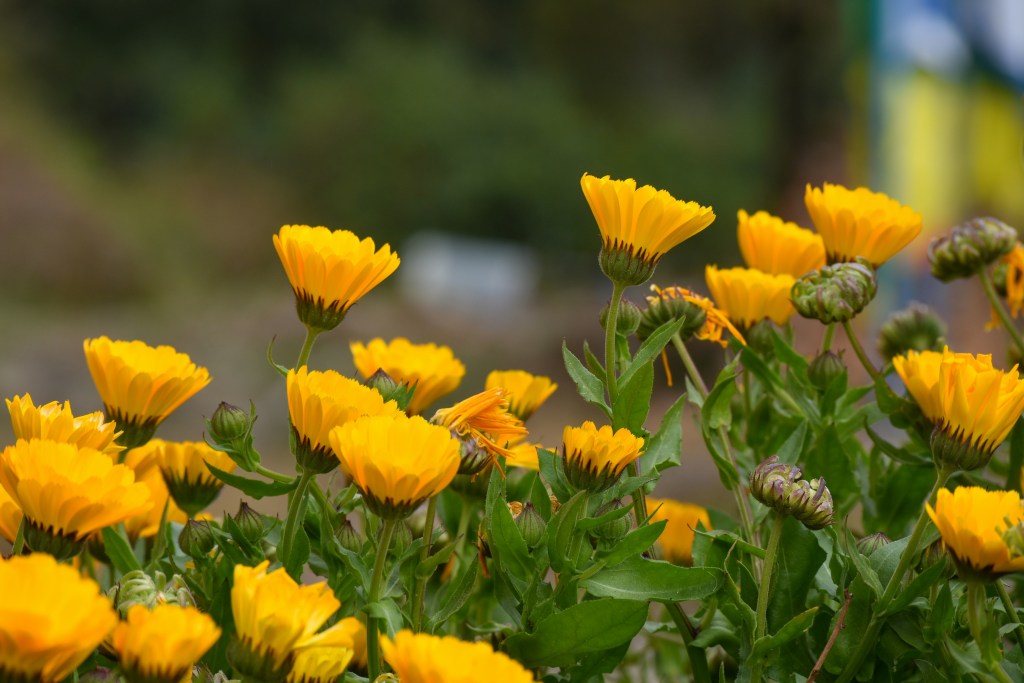
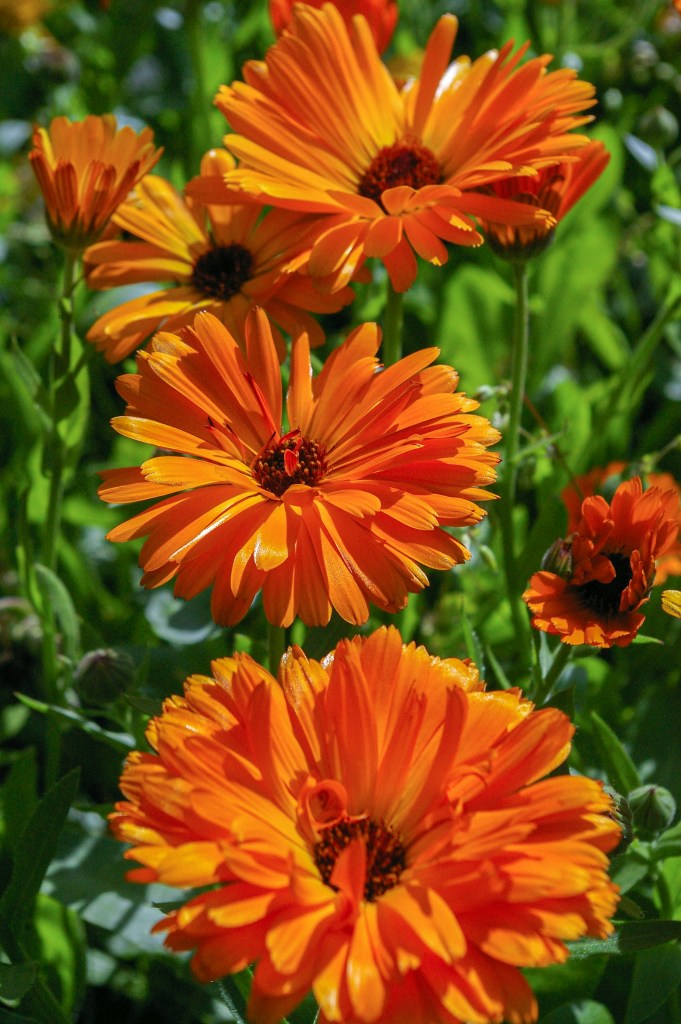
Calendula, commonly known as Pot Marigold, is a cheerful flowering annual valued for its bright blooms, medicinal associations, and long flowering season. Its vibrant flowers bring warmth and softness into the garden while also attracting pollinators and beneficial insects throughout the growing season.
Widely grown in cottage gardens, kitchen gardens, pollinator-friendly planting schemes, and herbal gardens, Calendula is appreciated for both its ornamental beauty and practical uses. The edible petals are commonly used in teas, garnishes, and traditional herbal preparations.
Calendula is particularly rewarding for beginner gardeners due to its fast growth, ease of care, and reliable flowering habit.
Appearance & Growth Habit
Calendula forms upright bushy plants that typically grow between 30 and 60 centimetres in height depending on the cultivar and growing conditions.
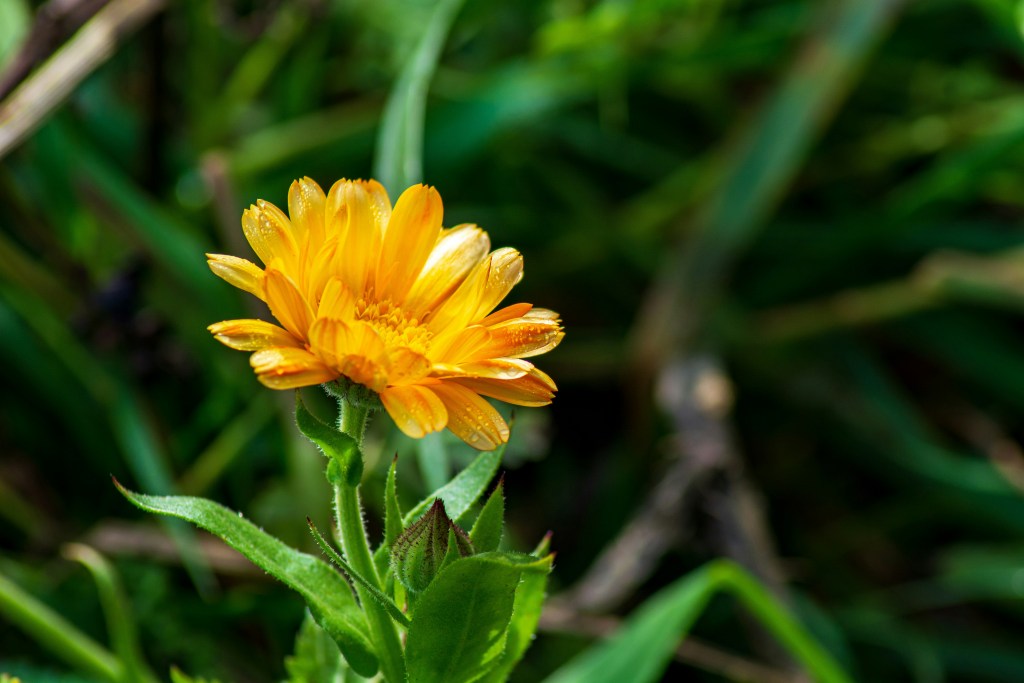
Plants produce soft green slightly textured foliage and masses of daisy-like flowers in shades of yellow, gold, apricot, and orange. Some cultivars produce single flowers while others develop fuller double blooms.
The flowers open during daylight and often close during lower light or cooler evening conditions, adding subtle seasonal movement and rhythm to the garden.
Calendula’s branching habit allows plants to produce flowers continuously across the growing season, especially when regularly harvested or deadheaded.
Growing Conditions
Calendula grows best in full sun to partial shade with fertile, free-draining soil enriched with compost or organic matter.
Seeds are commonly sown directly into the garden during spring, although in milder climates they may also be sown during autumn for earlier seasonal flowering.
Plants adapt well to borders, kitchen gardens, raised beds, pollinator gardens, and containers where their warm seasonal colour can be appreciated more closely.
Care & Maintenance
Calendula is generally low maintenance and relatively easy to grow once established. Regular watering during dry periods supports healthy flowering, although plants prefer not to remain excessively wet.
Deadheading spent blooms encourages continuous flowering throughout the season and helps prolong the display into autumn.
Calendula may self-seed readily under favourable conditions, allowing plants to reappear naturally in following growing seasons.
Applying compost during planting supports vigorous growth and abundant flowering.
Seasonal Notes
Calendula flowers prolifically from spring through summer and often into autumn, particularly in cooler climates where flowering remains strong during milder temperatures.
The flowers provide valuable nectar for pollinators during extended periods of the growing season and help maintain colour within the garden as seasons transition.
In some climates, self-seeded plants may emerge naturally during spring or autumn.
Uses
Calendula is widely used within cottage gardens, herbal gardens, pollinator borders, and edible planting schemes where its warm flowers contribute colour, biodiversity, and seasonal softness.
Its edible petals are often used in teas, salads, and natural preparations, while the flowers are also commonly associated with traditional herbal and wellbeing practices.
Calendula attracts bees, hoverflies, butterflies, and beneficial insects into the garden, helping support biodiversity throughout the growing season.
Beyond its practical uses, Calendula contributes a bright and uplifting atmosphere within outdoor spaces, helping create gardens that feel vibrant, productive, and closely connected to seasonal living.