BROCCOLI
Brassica oleraceae var. italica

Plant Overview
Broccoli is a cool-season vegetable valued for its nutrient-rich flower heads, strong productivity, and versatility within the kitchen garden. Widely grown across productive gardens and raised beds, broccoli is appreciated for both its culinary value and its ability to contribute structure and seasonal abundance to edible planting schemes.
Its bold foliage and upright habit create strong visual presence within the garden, while repeated harvests from side shoots can provide an extended cropping season. Broccoli is particularly rewarding for gardeners seeking reliable cool-season harvests during autumn, winter, and spring.
Beyond its productive value, broccoli contributes texture and depth to edible gardens through its broad blue-green foliage and architectural growth habit, pairing beautifully with softer herbs, leafy greens, and seasonal companion plants.
Appearance & Growth Habit
Broccoli forms upright leafy plants that typically grow between 60 centimetres and 1 metre in height depending on the cultivar and growing conditions.
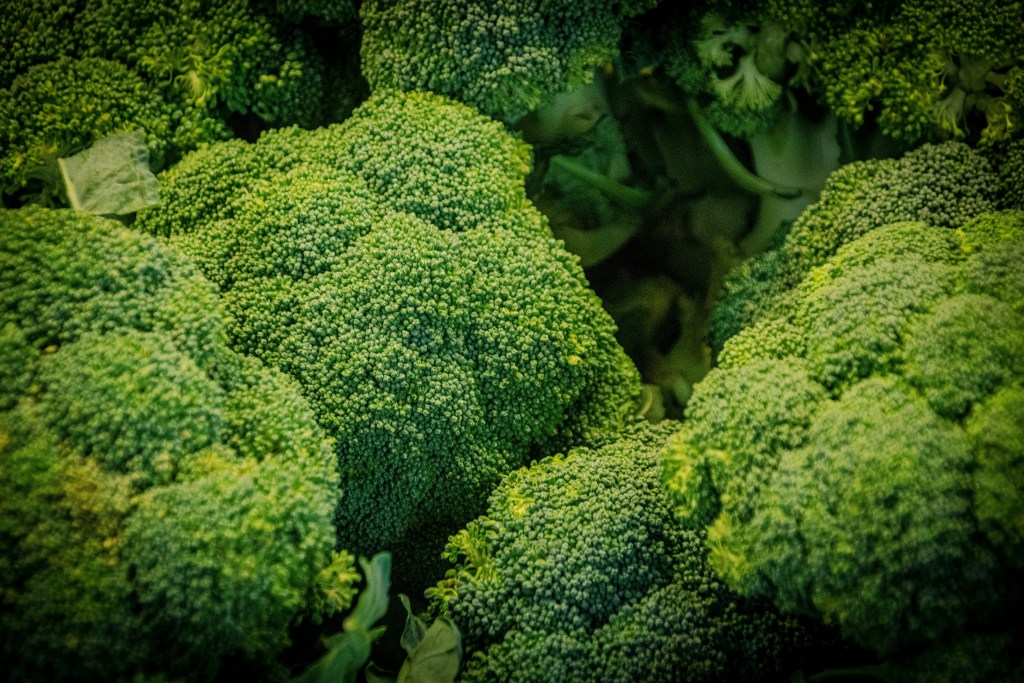
Plants produce large blue-green leaves surrounding dense edible flower heads that develop at the centre of the plant. These tightly packed immature flower buds are harvested before opening fully.
After the central head is harvested, many varieties continue producing smaller secondary side shoots which extend the harvesting period considerably.
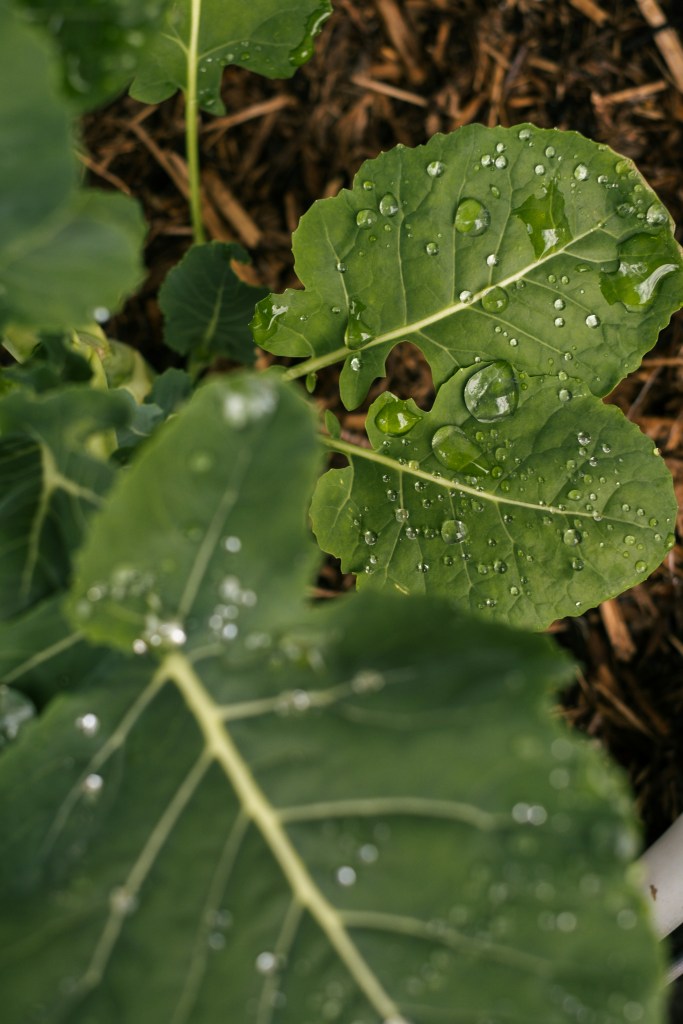
The foliage is broad and textured, creating strong contrast within productive garden beds and contributing a lush cool-season appearance to the landscape.
Growing Conditions
Broccoli grows best in full sun with fertile moisture-retentive but well-drained soil enriched with compost or well-rotted organic matter.
Cooler growing conditions generally produce the highest quality heads and help reduce stress during active growth.
Seeds may be sown directly into the garden or started in trays for transplanting depending on climate and seasonal timing.
Broccoli performs especially well within raised beds, traditional kitchen gardens, crop rotation systems, and productive seasonal borders.
Consistent soil moisture and nutrient-rich growing conditions are important for healthy head formation and strong plant development.
Care & Maintenance
Regular watering throughout active growth is essential to prevent stress and encourage dense healthy flower heads.
Applying mulch around plants helps retain soil moisture, regulate soil temperature, and suppress weed growth.
Broccoli benefits from regular feeding with compost or balanced fertiliser, particularly during periods of rapid growth.
Protection from caterpillars, aphids, and brassica pests may be required depending on local growing conditions. Fine insect mesh or companion planting techniques can help reduce pest pressure naturally.
Harvesting the central head promptly encourages side shoot production and helps extend overall productivity.
Seasonal Notes
Broccoli is strongly associated with cool-season gardening and is commonly grown during autumn, winter, and spring depending on regional climate conditions.
In milder climates, broccoli may continue producing across extended periods through winter, while in warmer regions it is often grown during cooler transitional seasons.
Cooler temperatures generally improve flavour, texture, and head quality.
Its productive nature and repeated harvest potential make broccoli one of the most valuable crops within seasonal kitchen gardens.
Uses
Broccoli is widely used steamed, roasted, stir-fried, grilled, blanched, and incorporated into soups, salads, and countless savoury dishes.
Both the flower heads and tender side shoots are edible, while younger leaves may also be harvested for cooking.
Beyond its culinary value, broccoli contributes strong foliage texture, productivity, and cool-season abundance within edible gardens.
Its combination of nutritional value, reliable harvests, and bold seasonal structure makes broccoli an essential and highly rewarding plant for productive home gardening.