Basil
Ocimum basilicum

Plant Overview
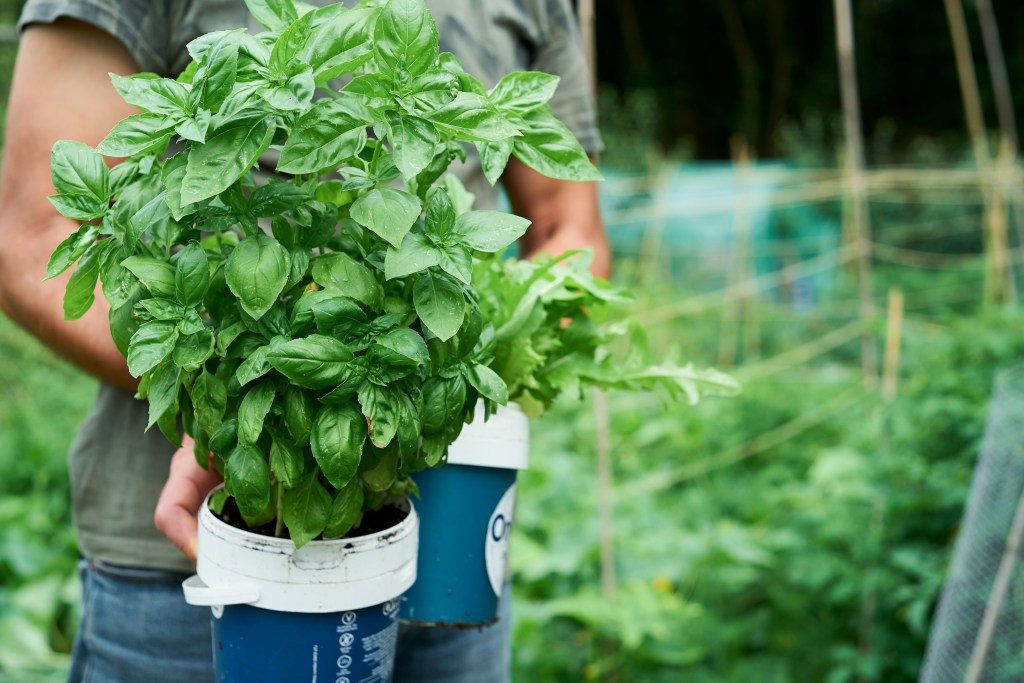
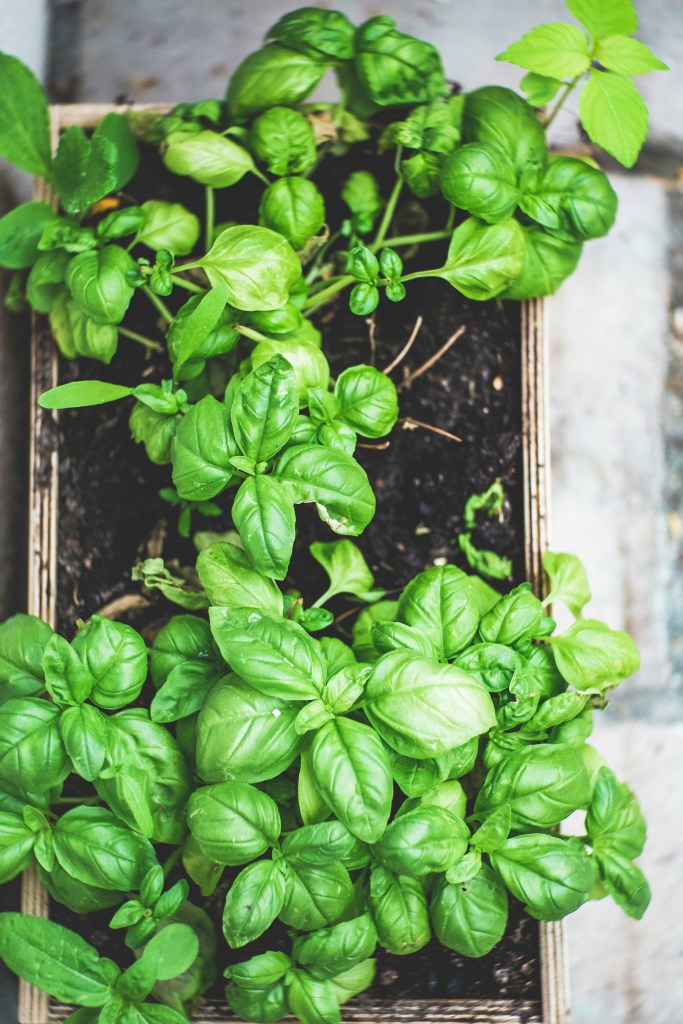
Basil is a highly versatile aromatic herb widely valued for both its culinary use and ornamental appeal within the garden. Commonly grown in kitchen gardens, raised beds, containers, and windowsill pots, basil is appreciated for its fragrant foliage, fast-growing nature, and ability to bring freshness and seasonal vibrancy into growing spaces.
Closely associated with Mediterranean and Asian cuisine, basil is often grown for its richly scented leaves, which are harvested regularly throughout the warmer months. Beyond its edible qualities, basil also contributes texture, fragrance, and softness to planting schemes, making it a suitable addition to sensory gardens and pollinator-friendly spaces.
Its accessibility and ease of growth make basil especially rewarding for beginner gardeners, particularly when grown in warm sheltered locations with regular harvesting.
Appearance & Growth Habit
Basil typically grows between 30 and 90 centimetres in height depending on the cultivar and growing conditions. Plants develop a soft bushy habit with upright stems and lush aromatic foliage that creates a fresh and vibrant presence within the garden.
The leaves are generally smooth, glossy, and rich green in colour, although some cultivars produce darker purple-toned foliage or more compact growth habits. Their highly fragrant leaves release a strong herbal aroma when brushed against or harvested, adding another sensory layer to edible and ornamental planting schemes.
During late summer, basil produces delicate flower spikes in shades of white, cream, or pale purple. These flowers are attractive to bees and other pollinating insects and contribute additional seasonal interest as the growing season progresses.
Growing Conditions
Basil thrives in warm full sun positions and performs best when provided with at least six hours of direct sunlight each day. Sheltered locations protected from strong wind and cold temperatures help encourage healthy leafy growth and stronger aromatic development.
Plants prefer free-draining soil rich in organic matter or quality planting compost. Consistent moisture is important throughout the growing season, although overly wet conditions should be avoided as excessive moisture can affect root health and overall vigour.
Seeds are typically sown during spring and germinate readily once temperatures begin to rise. In cooler climates or frost-prone areas, basil can be started indoors earlier in the season before being planted outside once frost risk has passed.
Care & Maintenance
Once basil plants reach approximately 20 to 25 centimetres in height, regular harvesting can begin. Pinching out the growing tips above a leaf node encourages the plant to branch and produce fuller bushier growth with increased leaf production throughout the season.
Frequent harvesting helps prolong productivity and delays flowering, particularly when plants are being grown primarily for culinary use. If flowering stems begin to develop early, removing them can help redirect energy back into foliage growth.
Basil benefits from regular watering during warm periods and responds well to nutrient-rich soil and occasional feeding throughout active growth. While commonly grown as an annual herb, plants may continue growing beyond one season in warm protected environments, although stems can gradually become woodier with age.
Due to its frost-sensitive nature, basil should be protected from cold conditions and planted outdoors only once temperatures remain consistently mild.
Seasonal Notes
Basil is strongly associated with the warmth and abundance of summer kitchen gardens. Seeds are best sown during spring, although starting plants indoors earlier can help extend the growing season in cooler regions.
Growth is most vigorous during the warmer months, when plants rapidly produce fresh aromatic foliage suitable for continuous harvesting. In late summer and early autumn, basil naturally begins to flower and set seed if left unpruned. Under favourable conditions, plants may self-seed lightly and reappear the following season.
Uses
Basil is widely used as a culinary herb and is particularly valued in Mediterranean and Asian-inspired cooking, where its fragrant leaves contribute freshness and depth of flavour to a range of dishes.
Its aromatic foliage also makes basil a valuable addition to sensory gardens, where brushing against the leaves releases a distinctive herbal fragrance that enhances the surrounding atmosphere. When allowed to flower, basil becomes highly attractive to bees and other beneficial pollinators, supporting biodiversity within edible and ornamental gardens alike.
Basil is also considered an excellent companion plant for tomatoes, both in the kitchen and within the garden itself. When planted together, basil can help encourage beneficial pollinators while contributing diversity and seasonal softness to productive growing spaces.