Azalea
Azalea indica


Plant Overview
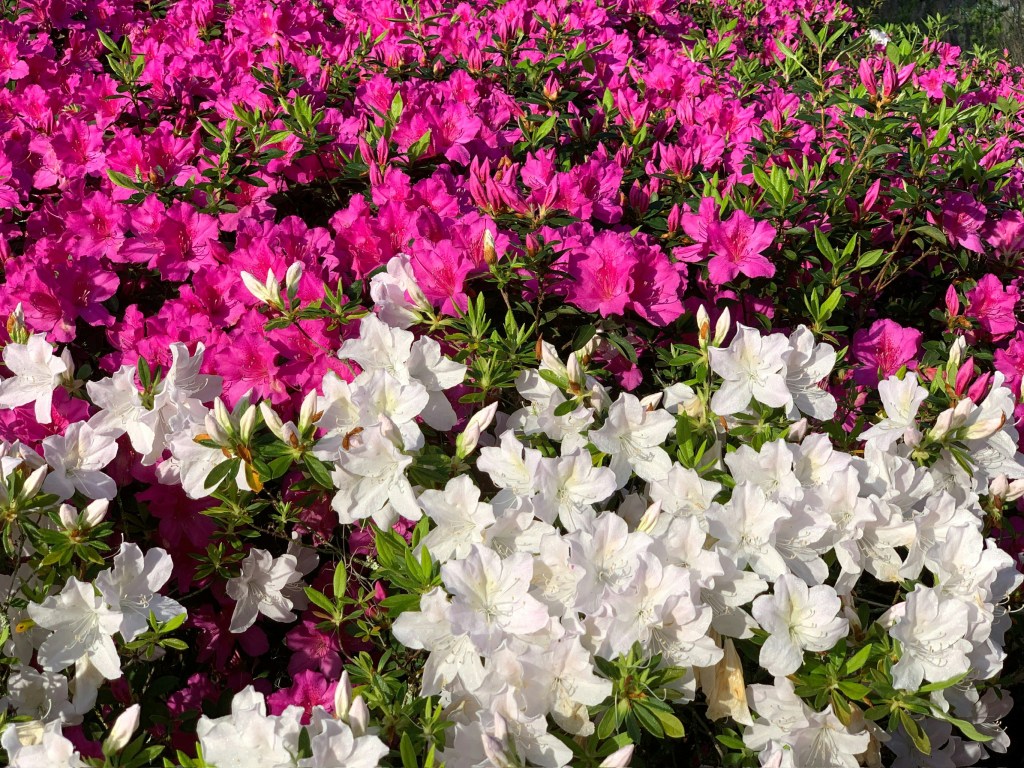
Azalea indica is one of the most admired flowering shrubs in the garden, celebrated for its spectacular display of colour and its ability to brighten shaded spaces. Native to parts of Asia and belonging to the rhododendron family, this evergreen azalea has become a treasured ornamental plant in gardens around the world. Its abundance of flowers, often appearing in shades of pink, red, white, purple, or bi-colour combinations, creates a striking display that signals the arrival of spring.
While many gardeners are initially drawn to Azalea indica for its flowers, its appeal extends far beyond a brief seasonal show. Throughout the year, its dense evergreen foliage provides structure, texture, and a sense of permanence within the garden. Whether planted as a specimen shrub, incorporated into a woodland border, or grown in containers, it brings a quiet elegance that complements both formal and informal garden styles.
Azaleas have long been associated with reflection and appreciation of seasonal change. Their flowering period is often fleeting, encouraging gardeners to pause and enjoy the beauty of the present moment before the blooms gradually fade. In this way, Azalea indica embodies one of the central lessons many gardens offer: that beauty is often found in paying attention to what is happening right now.
Appearance & Growth Habit
Azalea indica forms a compact, rounded shrub with a naturally dense growth habit. Mature plants typically reach between 1 and 2 metres in height and spread, although this can vary depending on cultivar and growing conditions. The plant develops a branching framework that becomes increasingly attractive with age, supporting a lush canopy of foliage throughout the year.
The leaves are small, oval-shaped, and glossy green, creating an attractive backdrop for the floral display. New growth often emerges with a lighter green hue before maturing into deeper tones. The evergreen foliage ensures that the shrub remains visually appealing even outside its flowering season.
The flowers are undoubtedly the plant’s defining feature. Appearing in abundance during spring, and sometimes continuing intermittently into summer in favourable conditions, the blooms can range from simple single flowers to elaborate double forms. Individual flowers are funnel-shaped and often cluster together, creating masses of colour that can almost completely conceal the foliage beneath. When in full bloom, Azalea indica becomes a focal point that draws the eye and invites closer observation.
Growing Conditions
Azalea indica thrives in mild climates with moderate temperatures and protection from harsh afternoon sun. It performs best in positions that receive filtered light, dappled shade, or gentle morning sun followed by afternoon protection. Excessive exposure to intense sunlight can scorch foliage and reduce flowering performance.
Like many members of the rhododendron family, Azalea indica requires acidic soil. A soil pH between 4.5 and 6.0 is generally considered ideal. The soil should be rich in organic matter, well-drained, and capable of retaining consistent moisture without becoming waterlogged. Heavy clay soils often benefit from significant organic matter additions before planting.
Consistent moisture is particularly important, especially during establishment and flowering periods. The shallow root system makes azaleas sensitive to drying out, and a layer of organic mulch can help maintain soil moisture while regulating temperature fluctuations around the roots.
Azalea indica is also well suited to container cultivation, provided an appropriate acid-loving potting mix is used and watering is monitored carefully.
Care & Maintenance
Once established, Azalea indica is relatively straightforward to maintain. Regular watering during dry periods is important, particularly during warm weather when shallow roots can quickly become stressed. Mulching annually with composted bark, leaf mould, or other organic materials helps maintain favourable soil conditions and supports healthy root development.
Feeding should be undertaken with fertilisers specifically formulated for acid-loving plants. Excessive fertilisation can encourage lush vegetative growth at the expense of flowering, so a balanced approach is generally most effective.
Pruning requirements are minimal. Light shaping immediately after flowering can help maintain the plant’s form and encourage bushier growth. Removing spent flowers and damaged branches may improve appearance and support overall plant health. More significant pruning should be approached cautiously, as excessive cutting can reduce flowering in subsequent seasons.
While generally resilient, Azalea indica may occasionally encounter issues such as lace bugs, scale insects, or root problems associated with poor drainage. Maintaining healthy growing conditions is often the most effective way to minimise these challenges.
Seasonal Notes
Spring is unquestionably the season when Azalea indica captures attention. As flower buds begin to open, the shrub undergoes a remarkable transformation, often becoming covered in blooms for several weeks. This annual display serves as a powerful reminder of the garden’s seasonal rhythms and the rewards of patience.
During summer, the plant shifts its focus toward foliage growth, providing a cooling presence within shaded garden spaces. Autumn offers an opportunity to appreciate the shrub’s structural qualities and evergreen form, while winter reveals the developing buds that quietly prepare for the following year’s floral display.
Observing these subtle seasonal transitions can deepen appreciation for the plant beyond its flowering period. The anticipation of spring blooms often becomes part of the enjoyment, encouraging gardeners to notice the small signs of change that unfold throughout the year.
Uses
Azalea indica is valued primarily as an ornamental shrub, bringing vibrant colour and year-round structure to gardens of many styles. It is particularly effective in woodland gardens, shaded borders, foundation plantings, and mixed shrub beds where its flowers can be appreciated at close range.
The plant is also highly suited to container growing, making it a popular choice for patios, courtyards, and entranceways. When grown in decorative pots, flowering specimens can create striking seasonal displays that enhance outdoor living spaces.
Beyond its ornamental value, Azalea indica contributes to a sense of tranquillity within the garden. Its seasonal flowering encourages moments of pause and observation, while its evergreen presence provides continuity throughout the year. For gardeners seeking to create spaces that support wellbeing and connection with nature, azaleas offer both beauty and a gentle reminder to notice the changing seasons.