AQUILEGIA (COLOMBINE)
Aquilegia spp.
Plant Overview
Aquilegia, commonly known as columbine or granny’s bonnet, is a charming herbaceous perennial admired for its delicate flowers, graceful form, and natural cottage garden character. Native to regions across Europe, North America, and Asia, aquilegias have long been valued for their ability to bring softness, movement, and early seasonal interest to gardens.
Flowering mainly in late spring to early summer, aquilegias appear at a time when the garden is beginning to feel full of life and renewed growth. Their intricate flowers, often held above finely divided foliage, create a sense of lightness and quiet beauty. They are especially suited to gardens that favour a natural, informal, or romantic planting style.
Aquilegias are also appreciated for their ability to self-seed gently in suitable conditions, often appearing in unexpected places and contributing to a relaxed, evolving garden atmosphere. Their presence encourages observation, as each plant may vary slightly in colour, form, and position within the garden.
Appearance & Growth Habit
Aquilegia forms soft clumps of attractive, fern-like foliage, usually in fresh green to blue-green tones. The leaves are divided into rounded leaflets and create a delicate textural base before the flower stems emerge.
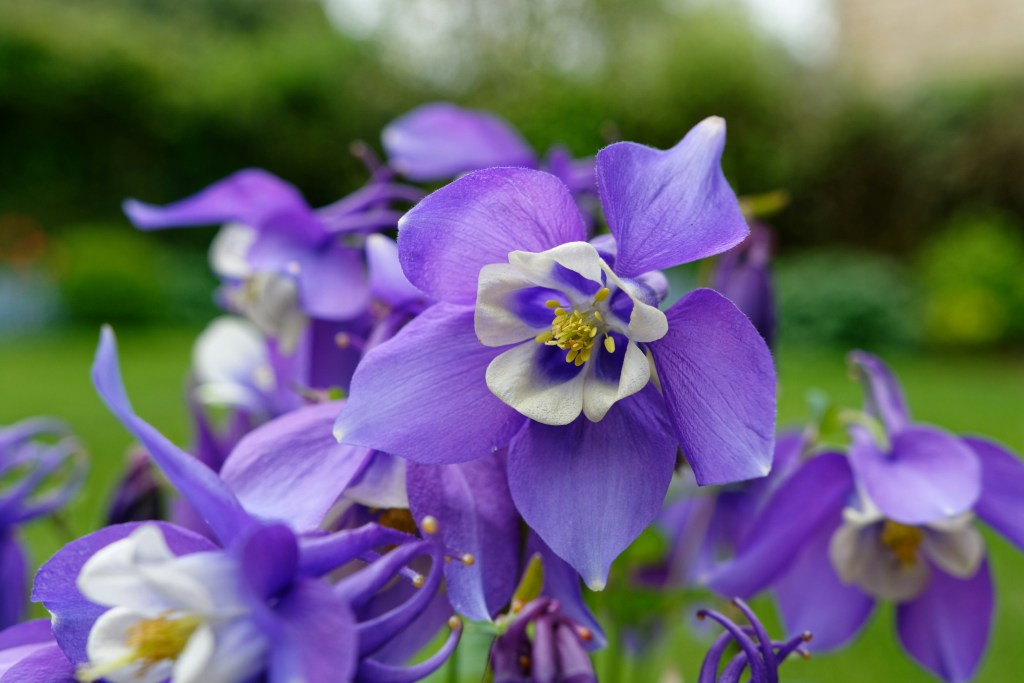
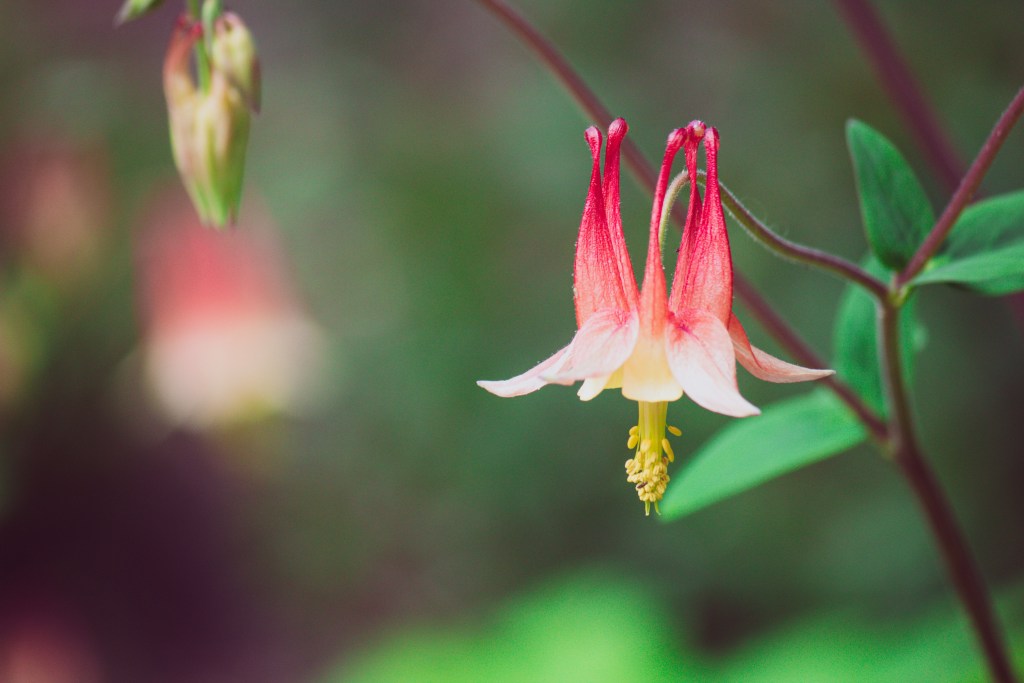
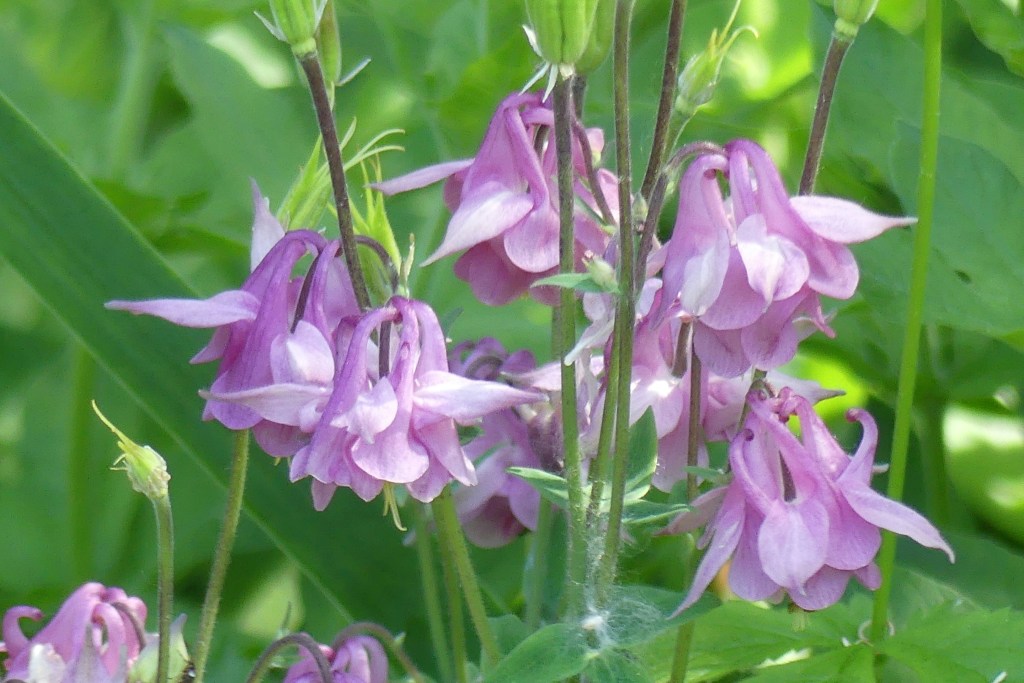
The flowers are highly distinctive, often nodding gently on slender stems. Many varieties have spurred petals, giving the blooms an elegant and slightly whimsical appearance. Flower colours include shades of blue, purple, pink, red, yellow, white, and soft bi-colour combinations.
Plant height varies depending on the species or cultivar, but most aquilegias grow between 30 and 80 centimetres tall. Their upright flowering stems rise lightly above the foliage, allowing the flowers to move gently in the breeze and blend beautifully with other spring and early summer plants.
Aquilegias have a naturalistic growth habit and are particularly effective when allowed to weave informally through borders, woodland edges, and cottage garden plantings.
Growing Conditions
Aquilegias grow best in partial shade to full sun, depending on the climate. In cooler regions, they tolerate more sun, while in warmer areas they often perform best with some afternoon shade.
They prefer moist but well-drained soil enriched with organic matter. Good drainage is important, especially during winter, as overly wet conditions may reduce plant health. Once established, aquilegias are relatively adaptable and can tolerate a range of garden soils.
These plants are well suited to mixed borders, woodland gardens, shaded edges, and informal planting schemes. They combine beautifully with foxgloves, hardy geraniums, ferns, hostas, forget-me-nots, alliums, and early summer perennials.
Aquilegias are often grown from seed, and many varieties self-seed naturally when conditions are favourable. Seedlings may not come true to the parent plant, but this variation can add to their charm and create a more spontaneous garden display over time.
Care & Maintenance
Aquilegias are generally low-maintenance plants and require little intervention once established. During dry periods, especially in spring and early summer, occasional watering helps support healthy growth and flowering.
After flowering, spent stems can be cut back if a tidier appearance is desired. However, allowing some seed heads to remain will encourage natural self-seeding. This can be especially appealing in cottage gardens or naturalistic planting schemes where gentle spontaneity is welcome.
Plants may gradually decline after several years, but self-sown seedlings often replace older plants naturally. If seedlings appear where they are not wanted, they can be easily removed or transplanted while young.
Aquilegias may occasionally be affected by leaf miners, aphids, or powdery mildew, though these issues are usually not severe in healthy garden conditions. Good air circulation and avoiding overly dry or stressed conditions can help maintain plant vigour.
Seasonal Notes
Aquilegia is strongly associated with the transition from spring into early summer. Its flowers often appear after the first flush of spring bulbs and before the full abundance of summer perennials, making it an important bridge plant within the seasonal garden.
The delicate movement of aquilegia flowers brings a sense of softness and wonder to the garden. Their nodding blooms encourage close observation, rewarding those who pause to notice the details of petal shape, colour variation, and the way the flowers interact with light and shadow.
Because aquilegias often self-seed, they can create small moments of surprise from year to year. A new colour may appear, a plant may emerge in an unexpected corner, or a familiar border may take on a slightly different character.
In this way, aquilegia reflects one of the quiet pleasures of gardening: allowing space for nature to participate in the design.
Uses
Aquilegias are ideal for cottage gardens, woodland gardens, mixed borders, shaded edges, and naturalistic planting schemes. Their soft foliage and airy flowers make them excellent companion plants, adding lightness and texture among denser perennials.
They are also valuable for pollinators, with bees often visiting the flowers during their blooming period. Their early-season nectar can support garden biodiversity at a time when many pollinators are becoming increasingly active.
Aquilegias work well in informal cut flower arrangements, though their flowers are often most enchanting when observed growing naturally in the garden.
Beyond their ornamental value, aquilegias contribute to the emotional atmosphere of a garden. Their delicate form, seasonal timing, and tendency to appear unexpectedly all support a sense of curiosity, wonderment, and connection with the changing rhythms of nature.