DAHLIA
Dahlia spp. & cvs.

Plant Overview
Dahlias are richly expressive flowering plants admired for their extraordinary diversity of colour, form, and seasonal impact. Native to Mexico and Central America, dahlias have become treasured garden plants throughout temperate regions of the world and are especially valued for their long flowering season, architectural beauty, and dramatic late-summer displays.
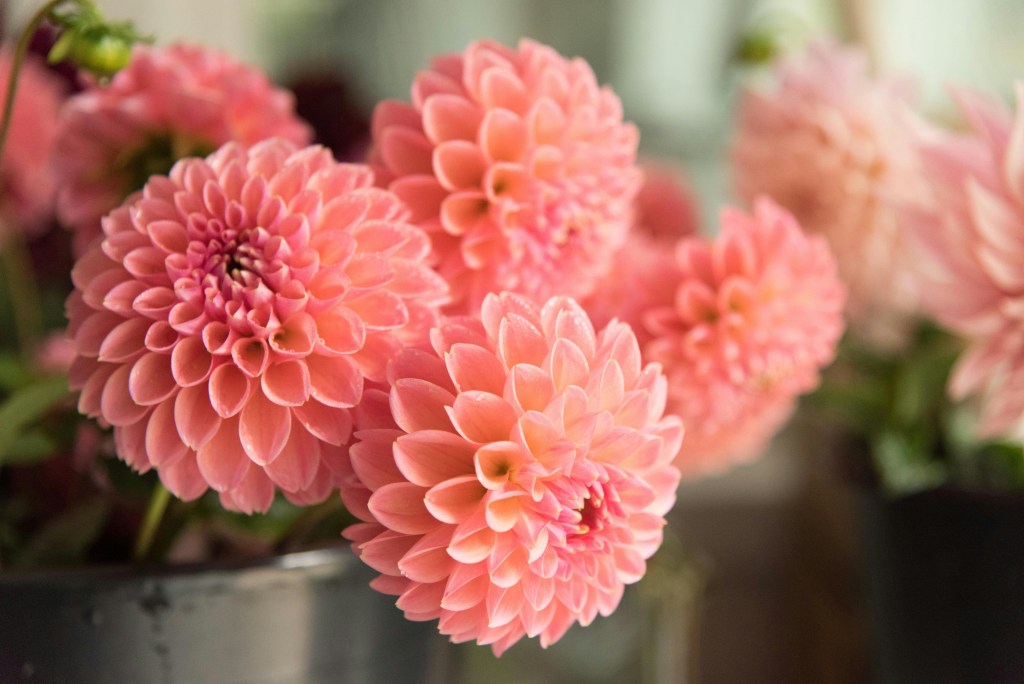
Available in an enormous range of sizes and flower forms, dahlias can bring softness, vibrancy, structure, or boldness to the garden depending on the variety selected. Their blooms range from delicate single flowers that attract pollinators through to intricate pompon, cactus, decorative, and dinner-plate forms that create striking focal points within borders and containers.
Unlike many spring-flowering plants that briefly emerge and fade, dahlias continue producing flowers over an extended period, often flowering from mid-summer until the arrival of autumn frosts. This long season of colour and abundance gives them a special place within gardens designed for seasonal atmosphere and ongoing visual interest.
Dahlias also encourage attentiveness within the garden. Their changing blooms, shifting colours, and continuous flowering habit invite regular observation and appreciation throughout the growing season.
Appearance & Growth Habit
Dahlias grow from underground tubers and produce upright leafy stems topped with highly ornamental flowers. Their foliage is generally mid to deep green, with some varieties displaying darker bronze or purple-toned leaves that create additional visual contrast within planting schemes.
The flowers themselves are remarkably diverse. Some varieties produce simple open-centred blooms with a relaxed natural appearance, while others develop highly structured geometric petals that appear almost sculptural in form. Colours span nearly every shade imaginable, including soft creams, warm apricots, rich burgundies, vivid pinks, deep reds, golden yellows, and bi-coloured combinations.
Plant size also varies considerably. Compact bedding varieties may remain under 40 centimetres tall, while larger decorative or dinner-plate forms can exceed 1.5 metres in height under favourable growing conditions.
Dahlias generally produce bushy growth and benefit from staking or support, particularly taller varieties with large flowers. Their abundant flowering habit creates movement, colour, and texture within the garden, especially during the later months of summer when many other flowering plants begin to slow.
Growing Conditions
Dahlias thrive in full sun positions and perform best in fertile, moisture-retentive but well-draining soil enriched with organic matter. They appreciate warmth and consistent growing conditions during the active growing season.
Tubers are typically planted in spring after the risk of frost has passed and the soil begins to warm. In cooler climates, tubers may be started indoors earlier and transplanted once temperatures become more stable.
Good air circulation around plants helps reduce fungal issues, while consistent moisture supports strong growth and prolonged flowering. However, soils should not remain waterlogged, as excessive moisture may cause tuber rot.
Dahlias combine beautifully with ornamental grasses, salvias, cosmos, zinnias, rudbeckias, and other late-season flowering plants. Their wide colour range also allows them to complement both vibrant cottage-style gardens and more restrained contemporary planting palettes.
Because of their dramatic flowering display, dahlias are often positioned where they can be closely appreciated, including near pathways, outdoor seating areas, and reflective garden spaces.
Care & Maintenance
Dahlias benefit from regular care during the growing season and often reward gardeners with continuous flowering when properly maintained.
Young plants may be pinched back early in the season to encourage bushier growth and additional flowering stems. Taller varieties generally require staking or support to protect stems and blooms from wind and heavy rain.
Consistent watering is important during active growth, particularly during dry or warm periods. Applying mulch around the base of plants can help regulate soil moisture and reduce weed competition.
Regular deadheading encourages ongoing flower production and helps maintain a tidy appearance throughout the season. Removing spent blooms also redirects the plant’s energy into producing new flowers rather than seed.
In colder climates, tubers are often lifted after the first frost blackens the foliage. Once lifted, they can be cleaned, dried, and stored in a cool frost-free location over winter before replanting the following spring. In milder climates, tubers may sometimes remain in the ground if soils are free draining and winter conditions are not excessively wet.
Seasonal Notes
Dahlias are strongly associated with the richness and abundance of late summer and early autumn. Their flowering season arrives during a time when gardens often feel mature, layered, and full of texture, making them an important plant for extending seasonal colour and atmosphere.
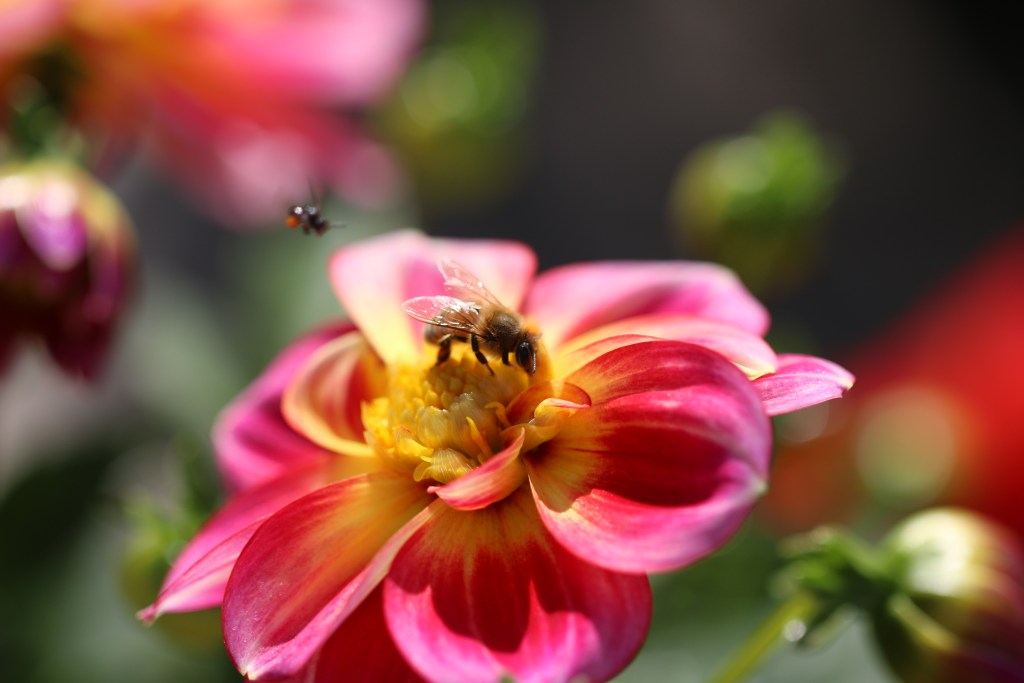
Their blooms encourage lingering attention within the garden. Morning light across petals, insects visiting open-centred varieties, and the gradual transition toward autumn all contribute to their immersive seasonal presence.
Dahlias also embody a sense of seasonal generosity. Their repeated flowering habit creates a rhythm of continual renewal throughout the warmer months, offering fresh blooms over many weeks rather than a single brief display.
As autumn approaches, dahlias often become part of the emotional transition between seasons. Their final flowers can feel especially poignant as temperatures cool and the garden begins slowly preparing for rest and dormancy.
Uses
Dahlias are widely used in ornamental borders, cottage gardens, cutting gardens, containers, and seasonal display plantings. Their versatility allows them to function as dramatic focal points or as part of softer layered planting combinations.
They are especially valued as cut flowers due to their long stems, remarkable diversity of form, and excellent vase performance. Indoors, dahlia arrangements bring colour, texture, and seasonal richness into living spaces.
Single-flowered varieties can also support pollinators such as bees and butterflies by providing accessible nectar during late summer and autumn when food sources may become less abundant.
Beyond their ornamental value, dahlias contribute to the emotional atmosphere of gardens through their strong seasonal presence and evolving displays. Their flowers encourage observation, appreciation, and connection with the changing rhythms of the garden throughout the later months of the year.