HOSTA
Hosta spp.


PLANT OVERVIEW
Hostas are elegant foliage plants admired for their broad textured leaves, calming presence, and ability to bring softness and structure to shaded garden spaces. Originally native to northeast Asia, hostas have become treasured ornamental plants in temperate gardens around the world and are especially valued for their remarkable foliage diversity and quiet architectural beauty.
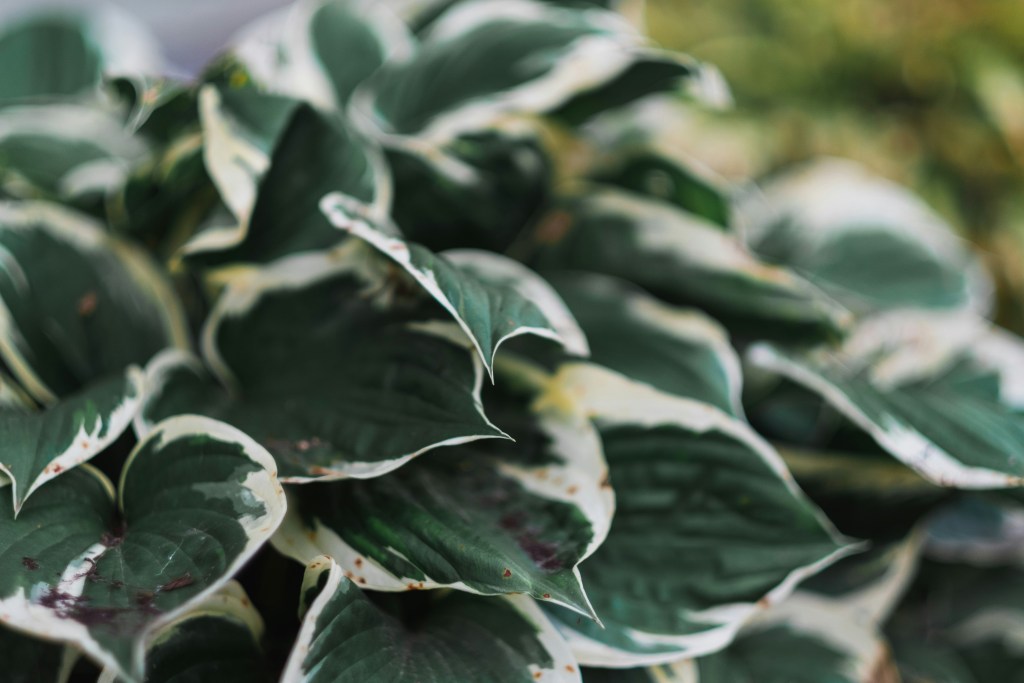
Available in a wide range of sizes, colours, and leaf textures, hostas contribute depth and atmosphere to woodland gardens, shaded borders, and reflective outdoor spaces. Their leaves may appear in shades of deep green, blue-green, chartreuse, gold, or variegated combinations with creamy white or yellow margins.
While hostas do produce delicate flowers during summer, they are primarily grown for their foliage and overall form. Their lush leaves create a sense of calm abundance within the garden and help soften shaded areas where many flowering plants may struggle.
Hostas are particularly associated with slower, more contemplative garden spaces. Their broad leaves capture changing light beautifully throughout the day and encourage quiet observation of texture, movement, moisture, and seasonal change.
Appearance & Growth Habit
Hostas form dense clumps of foliage that gradually expand over time through underground rhizomes. Their leaves emerge in spring as tightly furled shoots before unfolding into broad layered mounds that create strong visual structure within shaded planting schemes.
Leaf shape varies greatly between varieties and may range from rounded and heart-shaped forms through to elongated narrow leaves with deeply textured or gently rippled surfaces. Some hostas develop thick corrugated foliage with a sculptural appearance, while others possess softer flowing leaves that create a more relaxed atmosphere.
Plant size can vary significantly, from miniature varieties suitable for containers and small spaces through to large dramatic forms exceeding one metre in width and height under ideal conditions.
During summer, slender flower stems rise above the foliage carrying bell-shaped blooms in shades of lavender, pale purple, or white. These flowers add seasonal softness and may attract bees and pollinators into shaded garden areas.
Hostas possess a graceful and grounding presence within the landscape, often acting as visual anchors among ferns, woodland perennials, and other shade-loving plants.
Growing Conditions
Hostas thrive in partial shade to full shade and generally prefer cool, sheltered garden conditions with consistent soil moisture. While some varieties tolerate more morning sun, particularly gold or chartreuse cultivars, excessive direct afternoon sunlight may scorch leaves and reduce overall plant quality.
They grow best in fertile, moisture-retentive, well-draining soil enriched with organic matter. Woodland-style conditions rich in leaf litter and compost are especially suitable and help support lush healthy growth.
Consistent moisture is important during active growth, particularly during warmer months. However, soils should not remain waterlogged, as poor drainage may encourage crown rot and root problems.
Hostas combine beautifully with ferns, heucheras, astilbes, aquilegias, woodland bulbs, hydrangeas, and other shade-tolerant perennials. Their foliage creates strong contrast against finer textured plants and contributes to layered, immersive garden spaces rich in seasonal atmosphere.
Care & Maintenance
Hostas are relatively low-maintenance plants once established and gradually become more impressive with age.
Regular watering during dry periods helps maintain healthy foliage and prevents leaf stress, especially for container-grown plants or those planted beneath trees where competition for moisture may occur.
Applying mulch around the base of plants assists with moisture retention, soil health, and temperature regulation. Feeding with compost or a balanced fertiliser during spring also supports vigorous growth.
As the growing season progresses, occasional removal of damaged or yellowing leaves can help maintain a tidy appearance. Flower stems may be left for seasonal interest or removed once flowering has finished.
Hostas naturally die back during autumn and winter dormancy before re-emerging in spring. This seasonal cycle contributes to the sense of rhythm and renewal they bring to shaded gardens.
Slugs and snails are among the most common issues affecting hostas, particularly in damp climates. Protective measures such as barriers, hand removal, or encouraging natural predators may help minimise damage.
Large clumps can be divided during spring or autumn if propagation or rejuvenation is desired.
Seasonal Notes
Hostas are deeply connected to the quieter atmosphere of shaded gardens and seasonal transitions. Their emergence in spring brings a sense of gentle renewal as tightly coiled shoots gradually unfold into broad textured foliage.
Throughout summer, hostas create cooling visual calmness within the landscape. Their leaves respond beautifully to changing light conditions, rainfall, and morning dew, encouraging moments of observation and attentiveness within the garden.
In autumn, foliage slowly softens and fades as the plants retreat underground for winter dormancy. This natural cycle reflects the quieter rhythms of seasonal change and the restorative pause that exists within all living gardens.
Hostas are often associated with slower living and contemplative outdoor spaces because they encourage appreciation for texture, form, shade, moisture, and subtle seasonal movement rather than dramatic bursts of colour alone.Artichokes produce edible buds during spring and summer before flowers begin opening.
Uses
Hostas are widely used in woodland gardens, shaded borders, courtyard gardens, containers, and reflective outdoor spaces where their foliage can be appreciated up close.
Their broad leaves help soften pathways, define edges, and create visual layering beneath trees and shrubs. Larger varieties can act as structural focal points, while smaller cultivars work beautifully in pots or intimate garden corners.
Hostas are also highly effective when planted in groups, where repeating foliage shapes and tones create calm immersive planting schemes rich in texture and atmosphere.
Beyond their ornamental value, hostas contribute to the emotional character of shaded gardens. Their quiet presence encourages slower observation, seasonal awareness, and connection with the softer, more restorative aspects of the natural world.