Lilac
Syringa vulgaris

Plant Overview
Lilac (Syringa vulgaris) is one of the most cherished flowering shrubs of temperate gardens, admired for its richly fragrant blossoms, graceful form, and enduring presence in the landscape. Native to the Balkan Peninsula in southeastern Europe, it naturally grows on rocky hillsides and open woodland edges, where cool winters and warm summers encourage its spectacular spring display. Since its introduction to gardens in the sixteenth century, Lilac has become a timeless favourite, valued as much for its perfume as for its remarkable beauty.
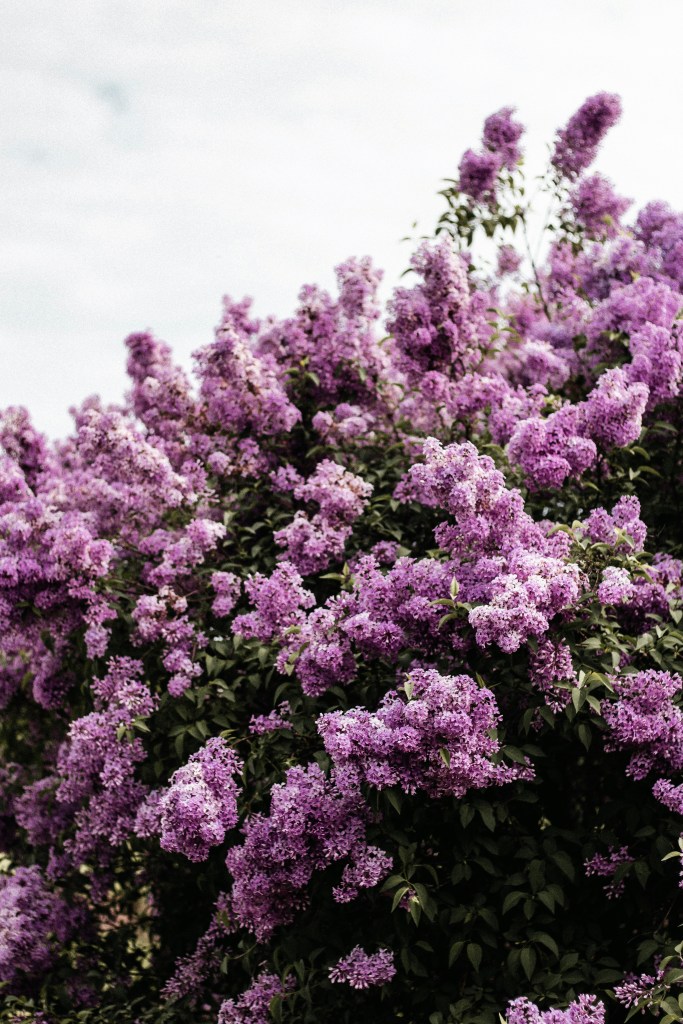
Each spring, dense clusters of delicate tubular flowers emerge in generous abundance, filling gardens with shades of soft lavender, violet, deep purple, blush pink, and pure white. Their unmistakable fragrance drifts through the air on mild mornings and warm evenings, often announcing the arrival of spring before the flowers themselves come fully into view. This combination of colour and perfume has made Lilac one of the world’s most beloved ornamental shrubs.
Although its flowering season is relatively brief, Lilac more than earns its place in the garden through the anticipation it creates each year. After months of quiet growth, the shrub suddenly bursts into bloom with remarkable generosity, becoming a focal point for both people and pollinating insects alike.
Lilac is also a plant of longevity. Given suitable conditions, it can thrive for generations, often outliving the gardens in which it was first planted. Mature specimens become living heirlooms, quietly connecting one generation of gardeners with the next through the faithful return of their spring blossoms.
Appearance & Growth Habit
Syringa vulgaris is a deciduous shrub or small multi-stemmed tree that typically grows between 3 and 5 metres in height with a broad, upright habit. Over time, it develops a rounded framework of sturdy branches that provides attractive structure even during the winter months.
The leaves are heart-shaped, smooth, and rich green, emerging in spring shortly before or alongside the flowers. Their fresh, uncomplicated appearance provides an ideal backdrop for the colourful flower clusters while contributing dense foliage throughout the growing season.
Flower buds develop at the tips of mature shoots before opening into large, pyramidal panicles measuring up to 20 centimetres in length. Each cluster is composed of hundreds of tiny four-petalled flowers whose collective fragrance can perfume an entire garden. Depending on the cultivar, blooms range from simple single flowers to densely double forms with exceptional ornamental value.
Following flowering, small brown seed capsules may develop, although they are generally of secondary interest compared with the spectacular spring display.
Growing Conditions
Lilac thrives in full sun, where at least six hours of direct sunlight each day encourages abundant flowering and healthy growth. While it will tolerate light shade, reduced sunlight often results in fewer blooms and a more open habit.
It performs best in fertile, well-drained soil with a neutral to slightly alkaline pH. Although adaptable to a variety of soil types, Lilac dislikes poorly drained or consistently waterlogged conditions, which may reduce vigour and increase susceptibility to disease.
Reliable winter chilling is important for flower bud development, making Lilac particularly well suited to temperate regions with distinct seasonal changes. Good air circulation around the shrub also helps maintain healthy foliage and reduces the likelihood of fungal diseases.
Once established, Lilac is reasonably drought tolerant, although regular watering during prolonged dry periods supports stronger flowering and healthier foliage.
Care & Maintenance
Lilac is a relatively undemanding shrub that rewards simple annual care with dependable flowering. Water young plants regularly while they establish, then provide supplemental irrigation only during extended dry spells.
Applying compost or well-rotted organic matter around the base of the shrub each spring helps maintain soil fertility and conserve moisture. Excessively nitrogen-rich fertilisers should be avoided, as they may encourage leafy growth at the expense of flowers.
Pruning is best carried out immediately after flowering, as Lilac forms the following year’s flower buds during summer. Removing spent flower clusters, along with dead, damaged, or congested branches, encourages healthy growth while preserving the shrub’s natural shape. Older specimens may occasionally benefit from selective rejuvenation pruning to maintain vigour and flowering.
Lilacs naturally produce suckers from the base. These may be retained to create a fuller shrub or removed if a more defined framework is preferred.
Seasonal Notes
Spring is the defining season for Lilac. As fresh green leaves unfold, tightly formed buds gradually expand before opening into generous clusters of highly fragrant flowers. The garden quickly becomes alive with bees, butterflies, and the unmistakable scent that has made Lilac a symbol of the season.
Summer follows with dense green foliage providing an attractive backdrop to surrounding perennials and shrubs. During this quieter period, the plant begins forming the flower buds that will bloom the following spring.
Autumn brings subtle golden tones to the leaves before they fall, revealing the strong branching framework that gives mature specimens their distinctive character.
Winter is a season of quiet rest. Bare branches stand patiently against the landscape while dormant buds hold the promise of another spectacular flowering display once warmer days return.
Uses
Syringa vulgaris is one of the finest shrubs for cottage gardens, traditional borders, woodland edges, and informal landscapes where its spring fragrance can be enjoyed close to paths, seating areas, or entrances. It combines beautifully with peonies, roses, foxgloves, delphiniums, irises, and spring-flowering bulbs, creating richly layered planting schemes that celebrate the transition from spring into early summer.
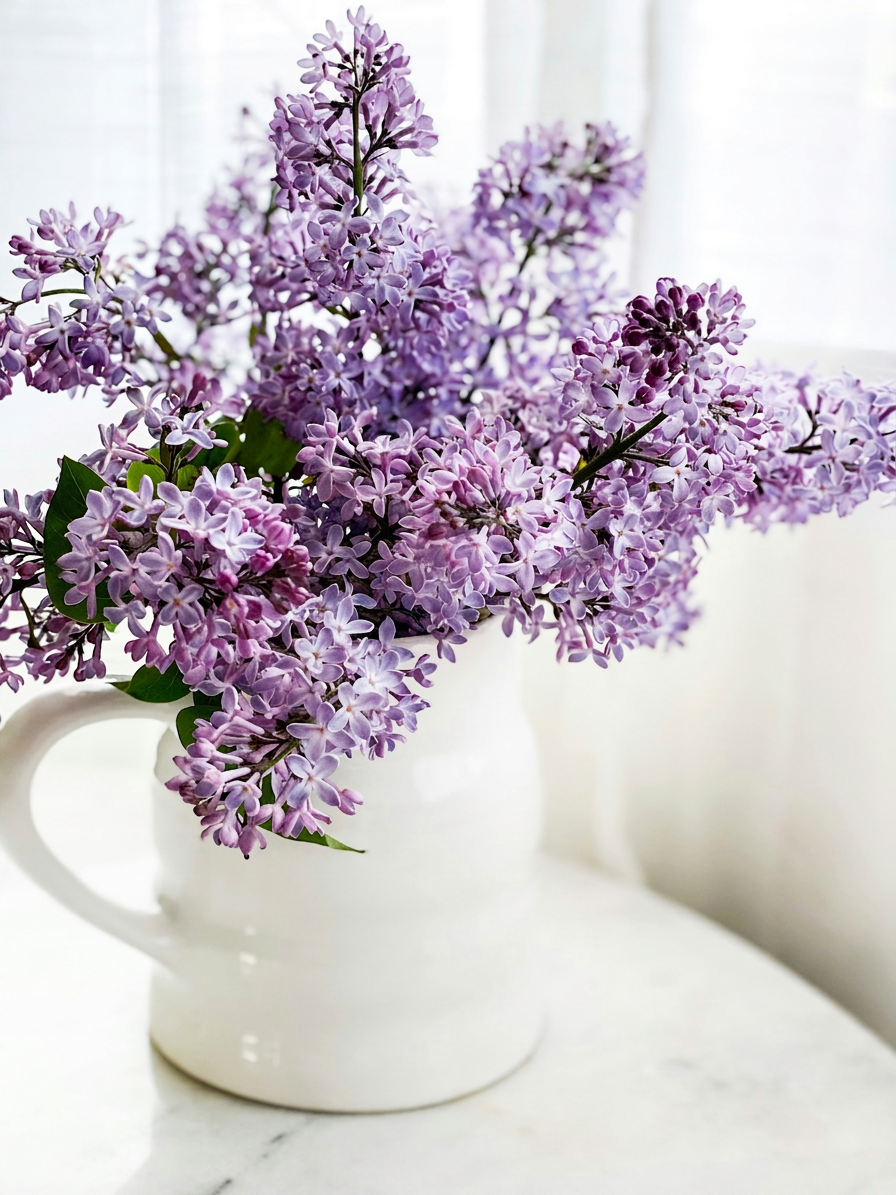
Its flowers provide valuable nectar for bees, butterflies, and other pollinating insects, while the dense branching habit offers seasonal shelter for small birds. The blooms are also highly prized as cut flowers, bringing their distinctive fragrance indoors where they remain favourites in spring floral arrangements.
Mature Lilacs frequently become treasured landmarks within gardens, their annual flowering marking the return of another growing season with dependable beauty and familiar scent. Their longevity allows them to become woven into the memories of places and the people who tend them.
Lilac reminds us that some of the most memorable moments in a garden cannot be seen alone. Long before its flowers come fully into view, their fragrance drifts quietly through the air, inviting us to slow our pace and look a little closer. In returning each spring with such generosity, it teaches that the seasons are not measured only by what we observe, but also by what we experience through scent, memory, and the enduring rhythm of the natural world.