Lime
(also known as Key Lime or Mexican Lime)
Citrus × aurantiifolia

Plant Overview
Lime (Citrus × aurantiifolia) is a small evergreen citrus tree admired for its fragrant blossoms, glossy foliage, and intensely aromatic fruit. Native to tropical regions of Southeast Asia before spreading throughout the Middle East, the Mediterranean, and the Americas, lime trees have become an essential part of productive gardens in warm climates around the world. Their compact size, ornamental beauty, and generous harvests make them equally valuable as feature trees and edible landscape plants.
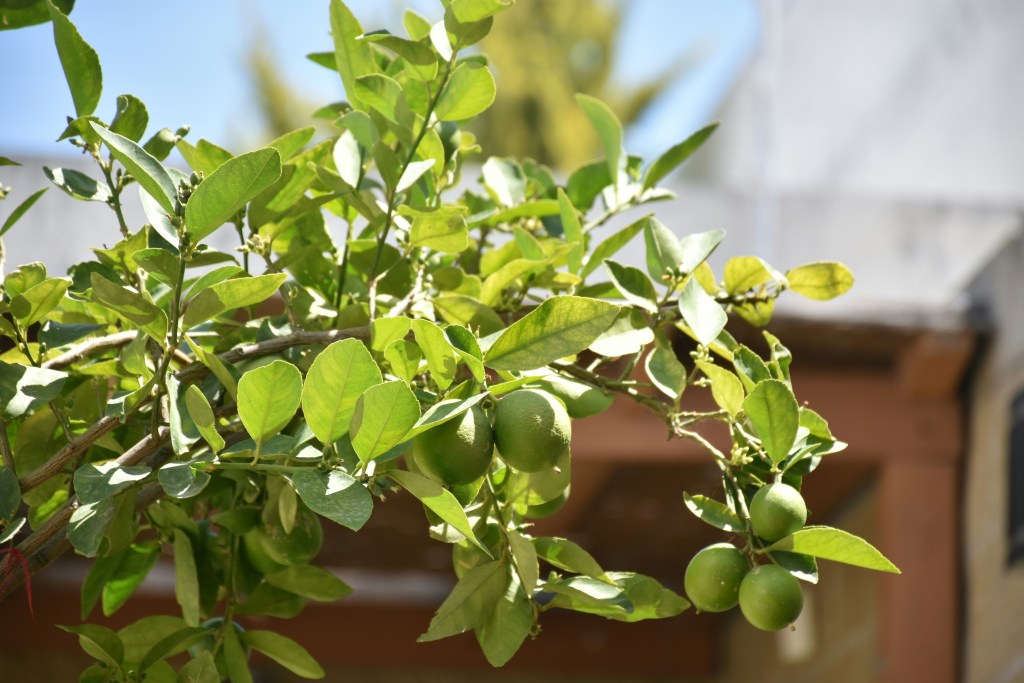
Throughout the year, the tree provides continual interest. Rich green leaves create a dense evergreen canopy, while delicate white flowers appear in successive flushes, filling the surrounding air with a sweet citrus fragrance. These blossoms gradually develop into glossy green fruit that matures over many months, often allowing flowers and fruit to appear on the tree at the same time.
Unlike sweeter citrus such as mandarins or oranges, limes are treasured for their vibrant acidity and distinctive aroma. Their juice, zest, and leaves contribute fresh, bright flavours to cuisines from around the world, while the tree itself introduces a strong Mediterranean and tropical character to the garden.
Growing a lime tree is an exercise in appreciating the seasons differently. Rather than waiting for a single harvest, the tree often offers flowers, developing fruit, and mature limes together, creating a living reminder that nature frequently unfolds through overlapping cycles rather than clearly defined beginnings and endings.
Appearance & Growth Habit
Lime is a compact evergreen tree that typically grows between 3 and 5 metres in height, although dwarf cultivars often remain below 2 metres and are well suited to container cultivation. It naturally develops a rounded canopy supported by numerous slender branches, some of which may bear small thorns depending on the variety.
The leaves are glossy, oval, and deep green, remaining attractive throughout the year. Their aromatic oils are released when gently crushed, producing the familiar fresh citrus fragrance associated with lime.
Clusters of pure white flowers emerge among the foliage during spring and often again at other times of the year in favourable climates. Their sweet perfume attracts bees and other pollinating insects while providing one of the tree’s most memorable seasonal displays.
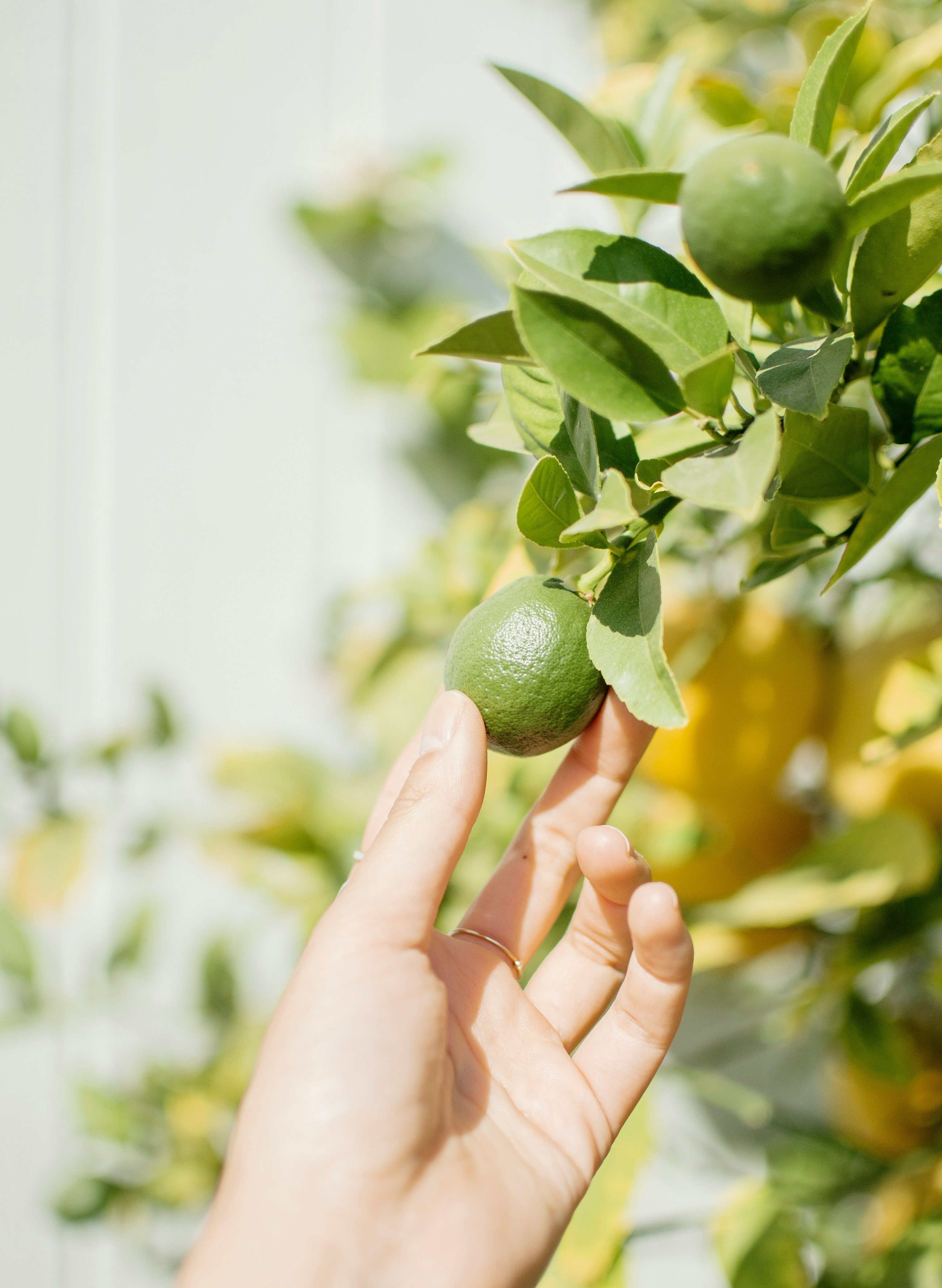
The fruit develops slowly following pollination, initially appearing as small green spheres before gradually enlarging. Most limes remain green when ripe, although some cultivars may develop a yellowish hue if left on the tree for extended periods. The smooth skin encloses juicy, intensely flavoured flesh that is prized for both culinary and refreshing beverages.
Growing Conditions
Lime trees thrive in full sun and require at least six to eight hours of direct sunlight each day to produce healthy growth and abundant fruit. Warm, sheltered positions protected from strong winds encourage reliable flowering and high-quality harvests.
They perform best in fertile, well-drained soils rich in organic matter. Slightly acidic to neutral soils provide ideal growing conditions, while heavy clay should be improved to enhance drainage and root health.
Regular watering is essential during flowering, fruit development, and extended dry periods, particularly for young trees and container-grown specimens. However, the soil should never remain waterlogged, as citrus roots require both moisture and good aeration.
In cooler climates, lime trees are often grown in large containers so they can be moved to a protected, frost-free location during winter. Their naturally compact habit makes them especially suitable for patios, courtyards, and sunny terraces.
Care & Maintenance
Lime trees benefit from regular but uncomplicated care. Water deeply during active growth, allowing the upper soil to dry slightly between watering while avoiding prolonged dryness during fruit development.
An annual application of compost together with a specialised citrus fertiliser during spring and summer supports vigorous foliage, flowering, and fruit production. Maintaining balanced nutrition is particularly important, as citrus trees readily display deficiencies through changes in leaf colour.
Light pruning is generally sufficient to remove damaged, crowded, or crossing branches while preserving the tree’s naturally rounded shape. Excessive pruning is unnecessary and may reduce future fruiting.
Applying organic mulch around the root zone helps conserve moisture, suppress weeds, and improve soil structure over time. Mulch should always be kept clear of the trunk to reduce the risk of disease.
Container-grown trees benefit from occasional repotting into fresh growing media, allowing healthy root development while maintaining steady productivity.
Seasonal Notes
Spring often begins with a flush of fragrant white blossoms that perfume the surrounding garden and attract numerous pollinating insects. Fresh leafy growth accompanies the flowering, bringing renewed vitality to the tree.
Summer is devoted to steady development. Young fruit enlarges gradually while the evergreen canopy continues producing healthy foliage beneath warm sunshine.
Autumn sees the fruit becoming fuller and increasingly aromatic, although many lime varieties remain green even when fully mature. Depending on the climate and cultivar, harvesting may continue over an extended period.
Winter is often less defined than for many deciduous fruit trees. In mild climates, the evergreen canopy continues to provide structure, while flowers, immature fruit, and mature limes may all be present simultaneously, creating a remarkable overlap of seasons that reflects the tree’s tropical origins.
Uses
Lime is one of the most versatile citrus trees for home gardens, combining ornamental beauty with exceptional culinary value. It is equally suited to orchards, productive kitchen gardens, courtyards, patios, and large decorative containers where both flowers and fruit can be enjoyed throughout much of the year.
The fragrant blossoms attract bees and other pollinating insects, while the evergreen foliage provides year-round structure within the landscape. The fruit is harvested for its juice, zest, and aromatic peel, bringing fresh citrus flavour to savoury dishes, desserts, beverages, marinades, and preserves. In many cuisines, the leaves are also valued for their distinctive fragrance.
More than simply producing fruit, a lime tree brings an atmosphere to the garden. The scent of blossoms drifting through warm air, the contrast of glossy green fruit against polished foliage, and the quiet rhythm of flowers giving way to harvest all become part of the experience of living with the tree. It reminds us that productivity and beauty are rarely separate in nature. Often they grow together, season after season, on the same branch.