Lemon Balm
Melissa officinalis
Plant Overview
Lemon Balm (Melissa officinalis) is a fragrant perennial herb valued for its fresh citrus scent, soft green foliage, and long history as both a culinary and medicinal plant. Native to southern Europe, North Africa, and western Asia, it has been cultivated for more than two thousand years and has gradually become a familiar presence in herb gardens, cottage gardens, and productive landscapes throughout the world.
Belonging to the mint family, Lemon Balm shares many of the qualities that make its relatives so successful. It is vigorous, easy to grow, and quick to establish, producing generous clumps of aromatic foliage that remain attractive for much of the growing season. When brushed or gently crushed, the leaves release a bright lemon fragrance that immediately evokes warmth and freshness.
Although often grown for harvesting, Lemon Balm possesses a quiet ornamental beauty. Its softly textured foliage creates rounded mounds of fresh green that blend naturally among vegetables, herbs, flowering perennials, and roses. In summer, delicate white flowers appear above the foliage, attracting bees and other beneficial insects that bring movement and quiet activity to the garden.
Lemon Balm is a plant that readily invites interaction. Whether a leaf is gathered for tea, brushed while walking past, or simply noticed after rain has intensified its fragrance, it has a way of drawing attention through the senses. Its presence often becomes woven into the everyday experience of the garden rather than reserved for special occasions.
Appearance & Growth Habit
Lemon Balm is a hardy herbaceous perennial that typically grows between 40 and 80 centimetres in height, gradually forming rounded clumps through underground stems and self-seeding where conditions are favourable.
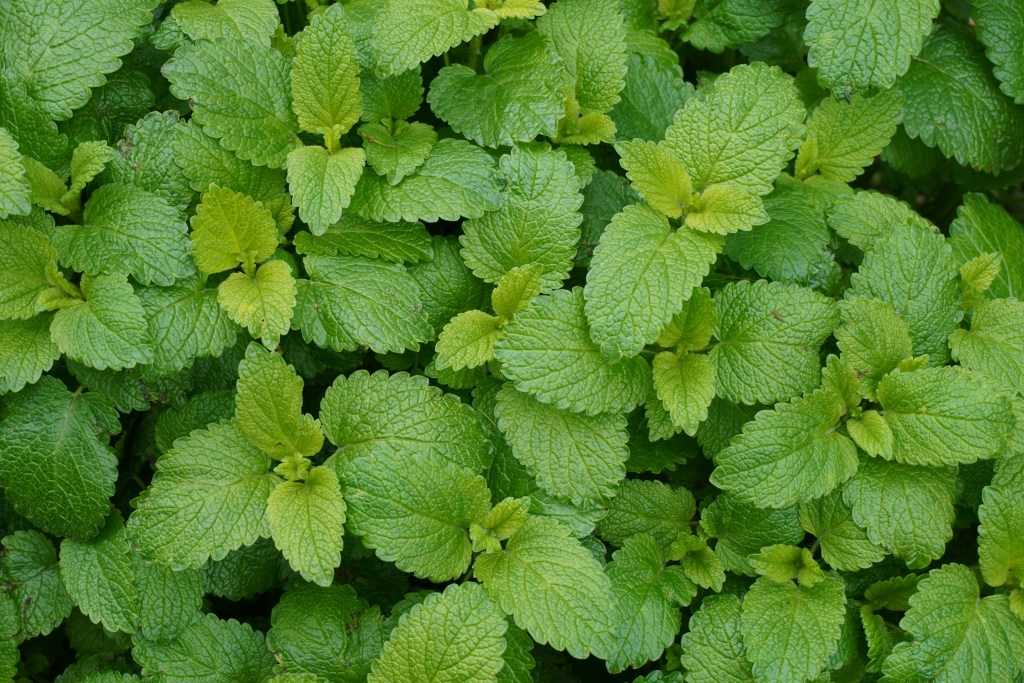
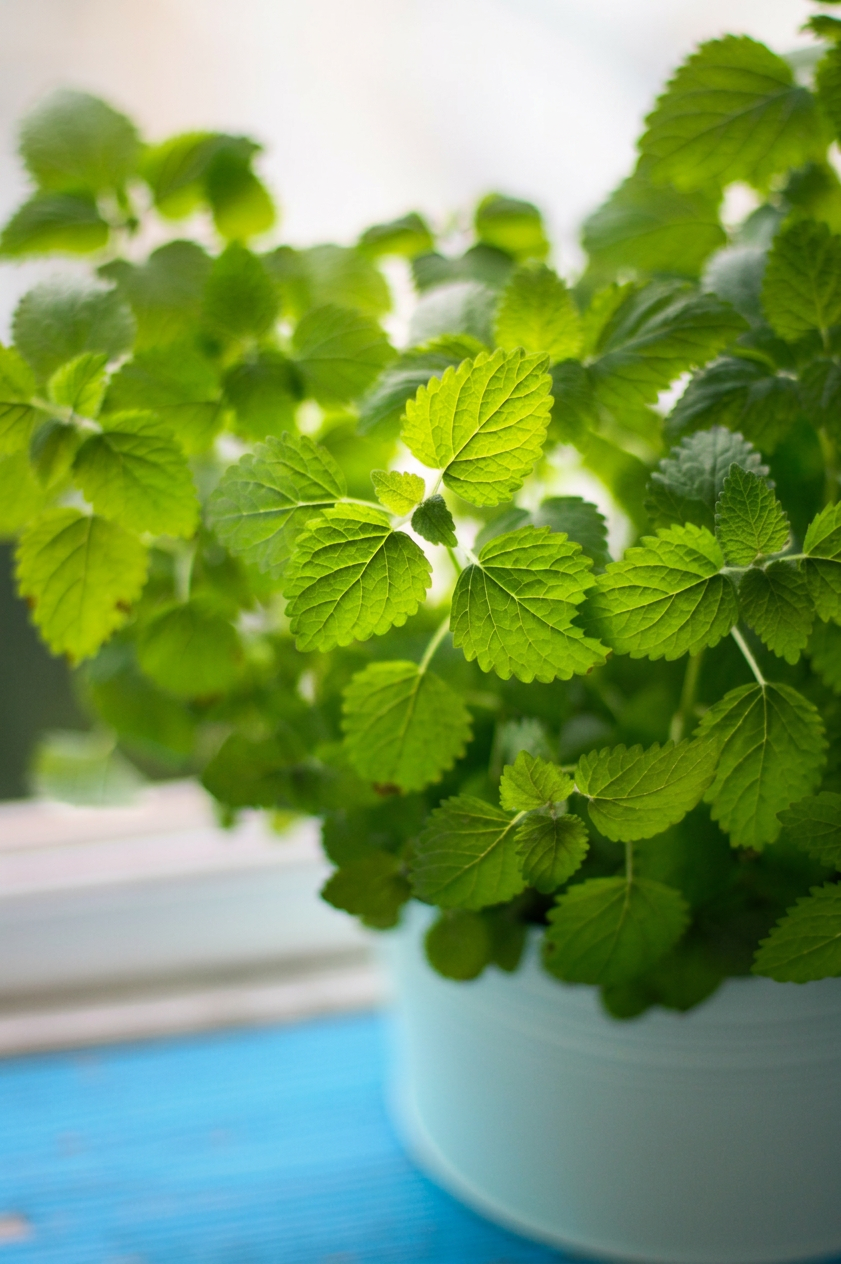
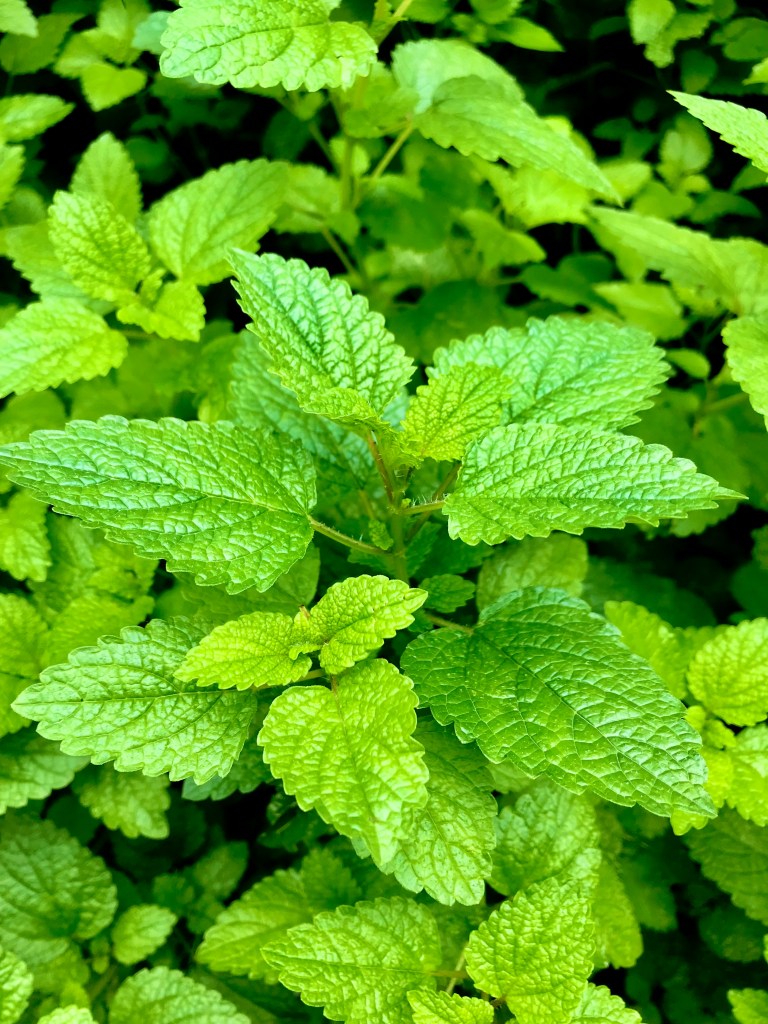
The leaves are oval, softly wrinkled, and finely toothed along the margins. Their bright green colour gives the plant a fresh appearance throughout the growing season, while the fine hairs covering the foliage contribute to its soft texture. New growth is particularly fragrant, releasing its characteristic lemon scent with even the lightest touch.
During summer, slender flowering stems rise above the foliage carrying small, tubular white flowers arranged in clusters. Though individually modest, they are highly attractive to bees, hoverflies, and numerous other pollinating insects, making the plant an important contributor to wildlife-friendly gardens.
The plant develops a naturally bushy habit, with fresh shoots emerging each spring from the base. Left unharvested, mature clumps become increasingly generous, filling available space with abundant foliage and creating a relaxed, informal character.
Growing Conditions
Lemon Balm grows well in full sun or partial shade, adapting readily to a wide range of garden situations. In cooler climates, full sun encourages vigorous growth, while light afternoon shade is often beneficial in warmer regions where prolonged heat may reduce leaf quality.
It performs best in fertile, well-drained soil enriched with organic matter, although it remains remarkably adaptable to less-than-perfect conditions. Consistent soil moisture supports lush foliage, but established plants display moderate tolerance to short periods of drought.
The plant thrives in herb gardens, vegetable plots, cottage gardens, wildlife gardens, raised beds, and containers. Because it belongs to the mint family, it benefits from occasional management where space is limited, as mature plants may gradually spread beyond their original position.
Its adaptability allows it to become established with relatively little intervention, rewarding gardeners with dependable growth year after year.
Care & Maintenance
Lemon Balm is a straightforward and rewarding herb to cultivate. Regular watering during establishment encourages healthy root development, while mature plants require only occasional watering during prolonged dry periods.
Harvesting frequently encourages fresh, tender growth and helps maintain a compact, bushy habit. Leaves are best gathered before flowering when their fragrance and flavour are often at their most intense, although usable foliage remains available throughout much of the growing season.
Removing flower stems after flowering may encourage additional leafy growth, while cutting the entire plant back after its first flush often stimulates a fresh crop of new shoots.
An annual application of compost around the base of the plant is usually sufficient to maintain healthy growth. Excessive fertiliser is rarely necessary and may reduce the concentration of aromatic oils within the foliage.
Every few years, established clumps benefit from lifting and dividing during spring or autumn. This simple practice rejuvenates older plants while providing new specimens to plant elsewhere or share with others.
Seasonal Notes
Lemon Balm follows the gentle rhythm of the seasons. Fresh shoots emerge from the soil during spring, their bright green leaves quickly filling the space left bare during winter.
As temperatures warm, the plant develops into a full mound of aromatic foliage that is at its finest during late spring and early summer. Frequent harvesting encourages continual renewal, with fresh leaves appearing throughout the season.
Summer brings delicate white flowers that attract a constant procession of bees and other pollinating insects. The gentle hum surrounding the blooms becomes one of the quieter pleasures of the herb garden during warm afternoons.
Autumn sees growth gradually slow as cooler weather arrives. The foliage begins to fade before dying back completely with the onset of winter frosts. Beneath the soil, however, the root system remains alive, quietly storing energy before fresh growth returns with the following spring.
Uses
Lemon Balm is one of the most versatile herbs in the garden. Fresh leaves are widely used to prepare herbal teas, flavour fruit salads, desserts, fish dishes, sauces, vinegars, and summer drinks. Their delicate citrus flavour is best appreciated when added towards the end of cooking or enjoyed fresh.
The fragrant foliage is equally valued for sensory gardens, herb borders, and wildlife-friendly planting schemes. Brushing past the leaves releases their refreshing aroma, adding another layer of experience to the garden beyond colour and form alone.
The flowers are highly attractive to bees and many other beneficial insects, making Lemon Balm an excellent companion plant within productive gardens where pollination plays an important role. Its generous flowering habit contributes to the broader health and diversity of the garden ecosystem.
Perhaps one of Lemon Balm’s greatest qualities is its generosity. A single plant offers fragrance, flowers, fresh foliage, and abundant harvests throughout much of the growing season, yet it never feels demanding. It simply continues to grow, quietly responding to light, rain, and careful gathering, reminding us that the most rewarding plants are often those that give freely while asking for very little in return.