Cape Violet (African Violet)
Streptocarpus ionanthus
(formerly known as Saintpaulia ionantha)

Plant Overview
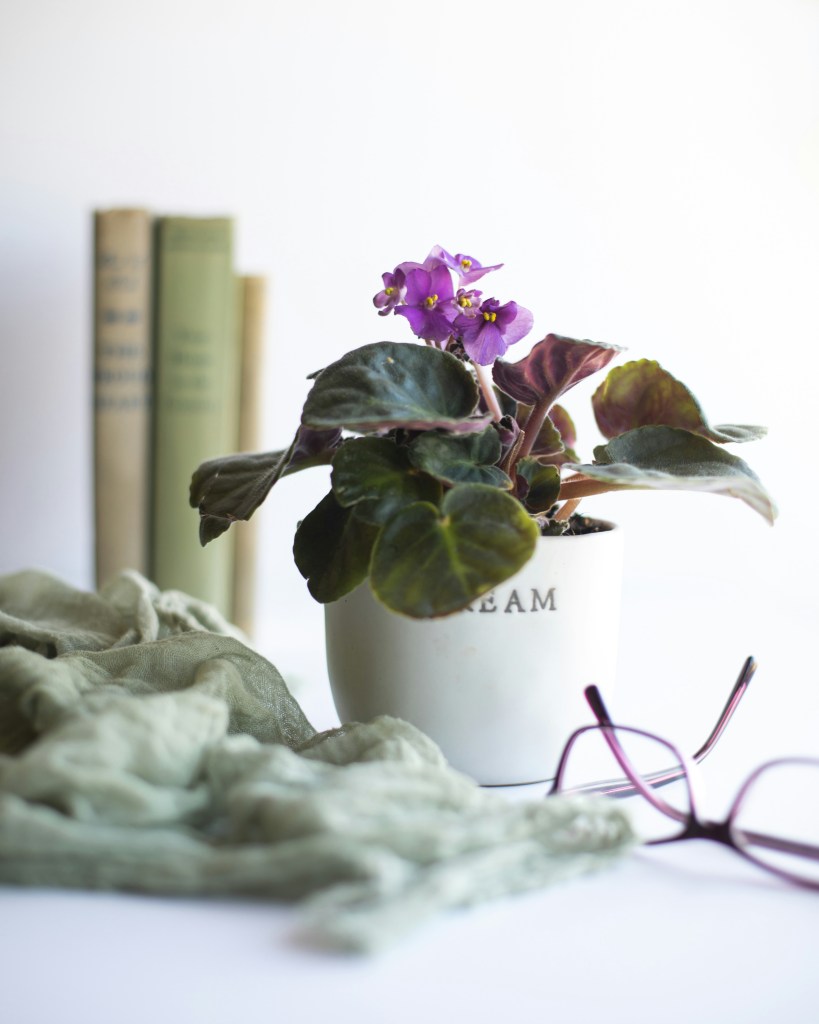
Cape Violet (Streptocarpus ionanthus), formerly known as Saintpaulia ionantha, is one of the world’s most cherished flowering houseplants. Native to the cloud forests of Tanzania and southeastern Kenya, it naturally grows on shaded rocky outcrops and forest floors where filtered light, warm temperatures, and consistent humidity create an ideal environment. Its modest size and ability to flower repeatedly indoors have made it a favourite companion on windowsills, desks, and tabletops for generations.
Unlike many flowering plants that bloom for only a brief season, Cape Violet has the remarkable ability to produce flowers throughout much of the year when grown in suitable conditions. This dependable display of colour, combined with its compact habit and velvety foliage, gives the plant an enduring appeal that extends well beyond its flowers alone.
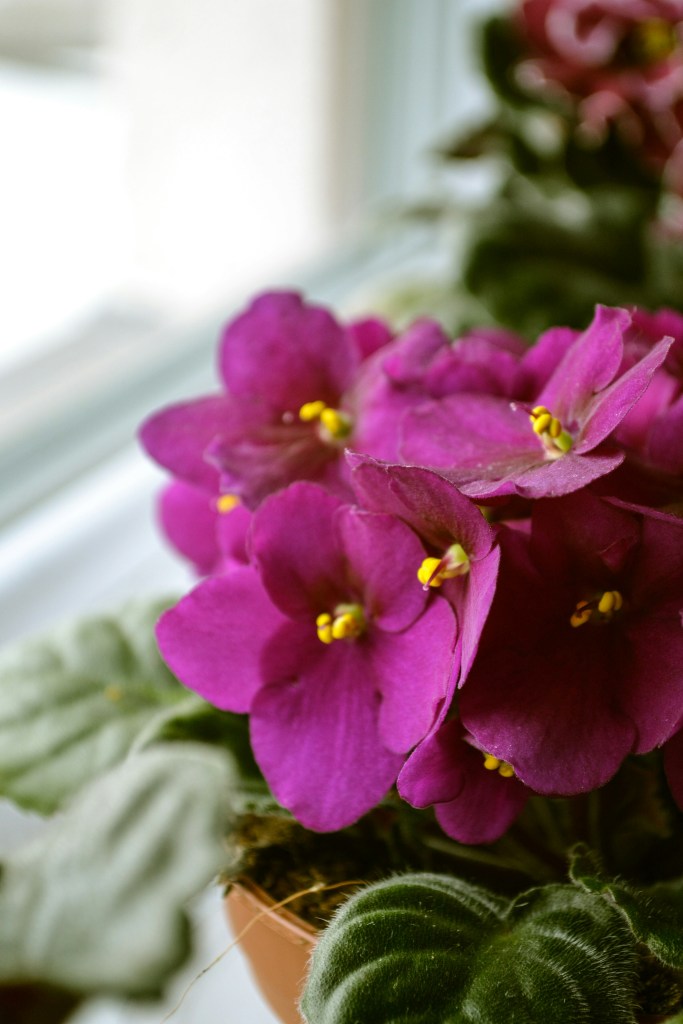
There is an intimacy to growing Cape Violet. It is not a plant that dominates a room or demands attention from a distance. Instead, it invites a closer look. The soft texture of its leaves, the intricate markings within each flower, and the steady emergence of new buds reward those who pause to notice the finer details.
For many people, Cape Violet becomes more than simply a houseplant. It quietly occupies a familiar place in the home, flowering through changing seasons and offering small moments of colour that brighten everyday life.
Appearance & Growth Habit
Cape Violet is a compact evergreen perennial that forms a low rosette of softly textured leaves. Mature plants generally reach between 15 and 25 centimetres in height and spread, making them well suited to smaller indoor spaces.
The leaves are rounded to oval in shape, with gently scalloped edges and a covering of fine hairs that give them their characteristic velvety texture. Their rich green colour provides an attractive backdrop for the flowers while creating an appealing contrast with smooth ceramic pots or timber surfaces.
The flowers rise above the foliage on slender stems and appear in loose clusters. Depending on the variety, blooms may be violet, blue, purple, pink, white, crimson, or bicoloured, with both single and double-flowered forms widely available. Many cultivars display delicate markings, contrasting centres, or softly ruffled petals that reward close observation.
The plant maintains a naturally neat and balanced form, producing new leaves from the centre of the rosette while older foliage gradually ages around the outside. Under favourable conditions, flowers continue to appear in succession, giving the impression of almost continuous bloom.
Growing Conditions
Cape Violet thrives in bright, indirect light similar to the dappled conditions of its native forest habitat. An east-facing window or a well-lit position protected from direct afternoon sun is often ideal. Excessive sunlight may scorch the leaves, while insufficient light can reduce flowering.
The plant prefers a light, well-drained potting mix formulated specifically for African Violets or other indoor flowering plants. Good drainage is essential, as constantly wet soil can quickly damage the delicate root system.
Even moisture is one of the keys to successful cultivation. The growing medium should remain lightly moist without becoming saturated. Many gardeners prefer watering from below, allowing the potting mix to absorb moisture through the drainage holes. This helps avoid water sitting on the velvety leaves, where it may leave marks or encourage disease.
Warm temperatures between 18°C and 24°C are ideal, and the plant appreciates moderate humidity. It should be protected from cold draughts and sudden temperature fluctuations, both of which may affect flowering and overall health.
Care & Maintenance
Cape Violet rewards gentle, consistent care rather than frequent intervention. Watering should be regular but moderate, allowing the soil surface to dry slightly between applications while ensuring the growing medium never becomes completely dry.
During active growth, a fertiliser formulated for flowering houseplants or African Violets applied every three to four weeks encourages continuous blooming. Feeding can be reduced during periods of slower growth.
Removing faded flowers and ageing leaves helps keep the plant tidy and directs energy towards producing new buds. As the plant matures, it may gradually develop a small stem beneath the foliage. Repotting every year or two, while slightly burying this stem, helps maintain a compact appearance and encourages fresh root growth.
Cape Violets are also remarkably easy to propagate from leaf cuttings. A single healthy leaf can develop roots and eventually produce entirely new plants, making them rewarding subjects for gardeners who enjoy propagation.
When grown in suitable conditions, the plant is generally trouble-free. Occasional issues with mealybugs, crown rot, or powdery mildew are most often associated with excessive moisture or poor air circulation rather than the plant itself.
Seasonal Notes
Although Cape Violet can flower throughout much of the year, it still follows subtle seasonal rhythms influenced by changing light levels.
Spring often brings renewed vigour, with fresh leaves emerging from the centre of the rosette and increasing numbers of flower buds appearing as daylight hours lengthen.
Summer is usually the period of greatest abundance, with healthy plants carrying multiple blooms above the foliage. Care should be taken to protect the leaves from intense direct sunlight and excessive heat.
Autumn sees flowering continue at a gentler pace while the plant settles into steady growth. The rich green foliage remains attractive even between flowering cycles.
Winter often slows development slightly, particularly where natural light is limited. Even so, many well-established plants continue to produce occasional flowers, bringing welcome colour during the quieter months of the year. Watching new buds appear against a backdrop of shorter days offers a gentle reminder that growth often continues, even when it is less obvious.
Uses
Cape Violet is ideally suited to indoor cultivation, where its compact size allows it to flourish on windowsills, bookshelves, desks, kitchen benches, and small tables. Its modest proportions make it particularly valuable in apartments and smaller homes where growing space may be limited.
Because of its long flowering season, it is often used to introduce lasting colour into interior spaces without requiring large containers or elaborate displays. Collections of different cultivars can provide an ever-changing tapestry of flower colours while maintaining a cohesive appearance.
Cape Violet is especially well suited to quiet corners where its flowers can be appreciated at close range. Rather than commanding attention across a room, it rewards those who pause beside it, noticing the unfolding buds, the velvety texture of the leaves, and the subtle variation between individual blooms.
Its manageable care requirements also make it an enjoyable plant for beginners, while the ease of propagation encourages a deeper engagement with the growing process. A single leaf has the potential to become an entirely new plant, offering a tangible reminder of nature’s quiet capacity for renewal.
Over time, a Cape Violet often becomes woven into the rhythm of a home. New flowers appear almost unexpectedly, one after another, bringing small moments of colour that feel both familiar and quietly uplifting. Its presence is gentle rather than dramatic, yet it has a way of making everyday spaces feel just a little more alive.