Japanese Box
Buxus japonica

Plant Overview
Japanese Box is a versatile evergreen shrub that has earned a place in gardens around the world through its reliability, adaptability, and timeless elegance. Native to Japan and parts of eastern Asia, it has long been valued for its ability to create structure within the landscape while maintaining a refined and understated presence.
Unlike plants that attract attention through dramatic flowers or vibrant seasonal colour, Japanese Box offers something quieter. It contributes order, balance, and permanence to the garden. Whether clipped into formal hedges, shaped into topiary forms, or allowed to grow naturally as a compact shrub, it provides a sense of stability that helps unify the surrounding landscape.
Its enduring popularity stems from this combination of beauty and practicality. Throughout the seasons, Japanese Box serves as a framework upon which the rest of the garden evolves. Flowers bloom and fade, perennials emerge and retreat, yet the evergreen form of Japanese Box remains constant, providing continuity and visual reassurance.
In many ways, the plant encourages gardeners to appreciate the importance of structure. Gardens often captivate us through moments of colour and spectacle, but it is the underlying framework that gives these moments context and meaning. Japanese Box exemplifies this principle, quietly supporting the overall composition while asking little in return.
Appearance & Growth Habit
Japanese Box is a dense, slow-growing evergreen shrub with a naturally rounded and compact growth habit. Mature plants typically reach between 1 and 2 metres in height and spread, although they are often maintained at much smaller sizes through regular pruning.
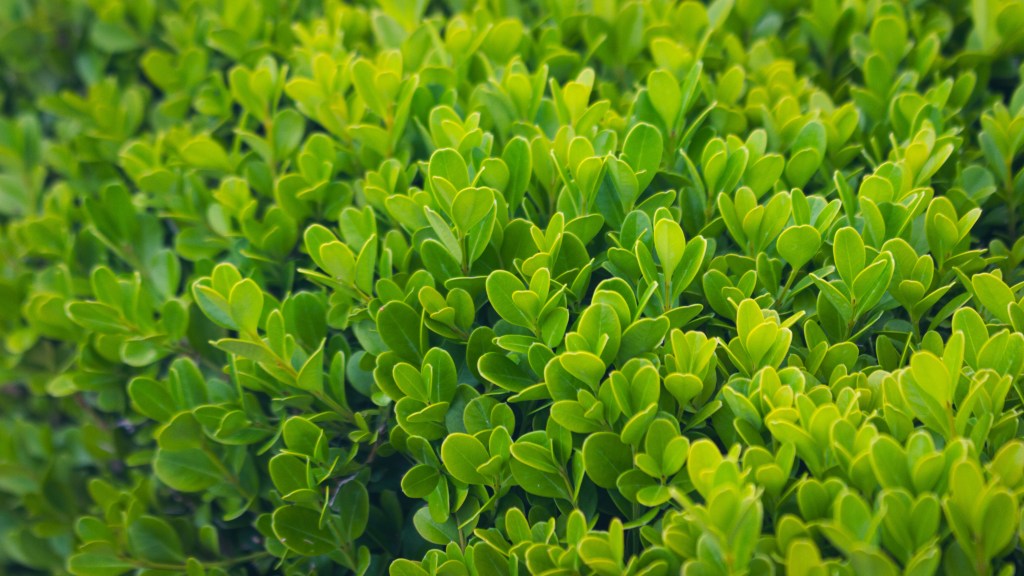
The foliage is composed of small, oval-shaped leaves that emerge bright green before maturing to a rich, glossy green. Compared to common English Box (Buxus sempervirens), the leaves are slightly larger and often display a softer texture, giving the plant a somewhat more relaxed appearance while retaining its formal qualities.
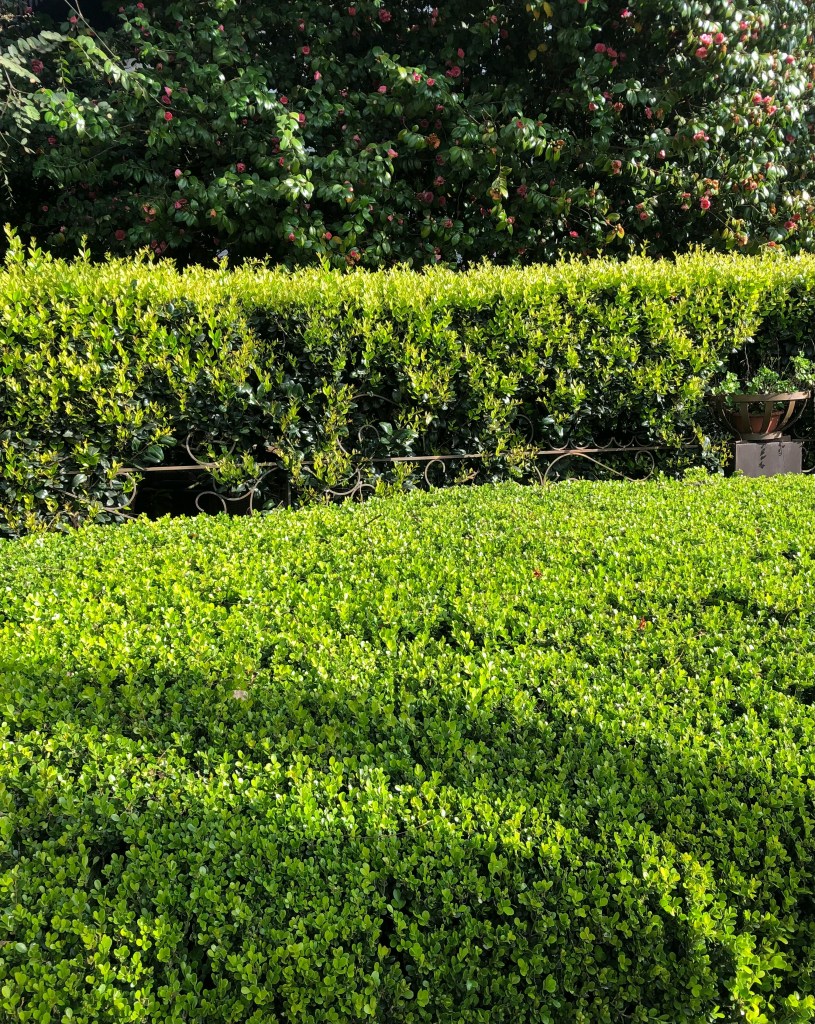
The dense branching structure allows the plant to respond exceptionally well to shaping. Even when left unclipped, it develops into a neat and attractive shrub with a naturally balanced form. This density makes it particularly effective as a hedge, border plant, or architectural feature.
In spring, small pale yellow-green flowers may appear among the foliage. While they are not particularly showy, they attract pollinating insects and contribute subtle seasonal interest. These flowers are often overlooked, yet they serve as a reminder that even plants valued primarily for foliage play a role in supporting garden biodiversity.
The overall effect of Japanese Box is one of refinement and restraint. It rarely dominates a planting scheme, yet its presence often elevates the entire garden by providing a sense of organisation and harmony.
Growing Conditions
Japanese Box thrives in a wide range of garden conditions and is generally more tolerant of environmental variations than many people expect. It performs best in full sun to partial shade, with some protection from harsh afternoon sun in particularly warm climates.
The plant prefers fertile, well-drained soil enriched with organic matter. However, it adapts readily to a variety of soil types, including loam, clay, and sandy soils, provided drainage is adequate. Waterlogged conditions should be avoided, as prolonged saturation can lead to root problems.
Once established, Japanese Box demonstrates moderate drought tolerance, although consistent moisture supports healthier growth and more vibrant foliage. It is also relatively tolerant of urban environments and can perform successfully in courtyards, suburban gardens, and container plantings.
Its adaptability makes it suitable for both formal and informal garden settings. Whether incorporated into traditional designs or contemporary landscapes, Japanese Box establishes itself as a dependable and long-lived component of the garden.
Care & Maintenance
One of the reasons Japanese Box remains so widely used is its relatively straightforward maintenance requirements. Regular watering during establishment is important, but mature plants are generally resilient and require only occasional supplemental irrigation during prolonged dry periods.
Annual mulching with compost or well-rotted organic matter helps improve soil structure, conserve moisture, and support steady growth. Feeding is rarely necessary in fertile soils, although a balanced slow-release fertiliser applied in spring may encourage vigorous new growth where desired.
Pruning is often the most significant maintenance task. Japanese Box responds exceptionally well to trimming and can be shaped into hedges, spheres, formal borders, and topiary forms. Light pruning throughout the growing season helps maintain crisp lines and dense growth.
When grown as a natural shrub, only occasional shaping may be required to preserve its form. Removing damaged or crossing branches can improve airflow and overall plant health.
Japanese Box is generally resilient, although gardeners should remain attentive to potential issues such as fungal diseases, scale insects, or box tree pests in regions where these problems occur. Healthy growing conditions and regular observation are often the most effective forms of prevention.
Seasonal Notes
The seasonal changes of Japanese Box are subtle but rewarding for gardeners who appreciate detail. Spring brings fresh new growth, often appearing in lighter shades of green that contrast beautifully with the mature foliage.
Summer highlights the plant’s dense structure and rich evergreen colour. During this season, Japanese Box often serves as a cooling visual anchor within the garden, complementing flowering plants without competing for attention.
Autumn introduces gentle shifts in texture and tone as growth slows and surrounding plants begin their seasonal transition. The evergreen foliage becomes increasingly valuable as deciduous plants shed their leaves.
Winter perhaps reveals the plant’s greatest strength. While many plants retreat into dormancy, Japanese Box continues to provide form, colour, and structure. Frost settling on the glossy leaves can create beautiful seasonal scenes, while the plant’s enduring presence contributes stability during the quieter months of the gardening year.
Uses
Japanese Box is one of the most versatile shrubs available for garden design. Its traditional use as a low hedge remains as relevant today as it has been for centuries. It provides definition along pathways, frames garden beds, and creates visual order within larger landscapes.
The plant is equally valuable in formal gardens, knot gardens, and topiary displays, where its dense growth habit allows for precise shaping. In contemporary settings, clipped forms can introduce strong architectural elements that contrast effectively with softer plantings.
Container cultivation is another popular use, particularly near entrances, courtyards, and outdoor entertaining areas. Paired specimens in decorative pots can create an immediate sense of structure and welcome.
Beyond its practical applications, Japanese Box contributes to the emotional character of a garden. Its evergreen presence offers consistency through changing seasons and reminds us that beauty is not always found in dramatic displays. Sometimes it is found in reliability, balance, and quiet permanence.