Round Kumquat (Marumi)
Fortunella japonica

Plant Overview
The Round Kumquat, commonly known as Marumi Kumquat, is a charming evergreen citrus relative prized for its ornamental appeal, fragrant blossoms, and distinctive bite-sized fruit. Native to East Asia and cultivated for centuries in China and Japan, the Marumi Kumquat is one of the most cold-tolerant members of the citrus family and has become a popular choice for home gardens, courtyards, and container plantings around the world.
Unlike most citrus fruits, kumquats are typically eaten whole. Their sweet edible skin contrasts beautifully with the tart flesh inside, creating a unique balance of flavours that has made them a favourite for fresh eating, preserves, and culinary use. The small golden-orange fruit often remains on the tree for extended periods, providing a colourful display during the cooler months of the year.
The Marumi Kumquat is particularly well suited to gardeners seeking a productive plant that also offers year-round ornamental value. Its compact size, attractive foliage, and abundant fruit make it equally at home in a decorative landscape or an edible garden. Throughout the seasons, it rewards careful observation with subtle changes in growth, flowering, and fruit development, making it a delightful plant for those who enjoy a close connection with the garden.
Appearance & Growth Habit
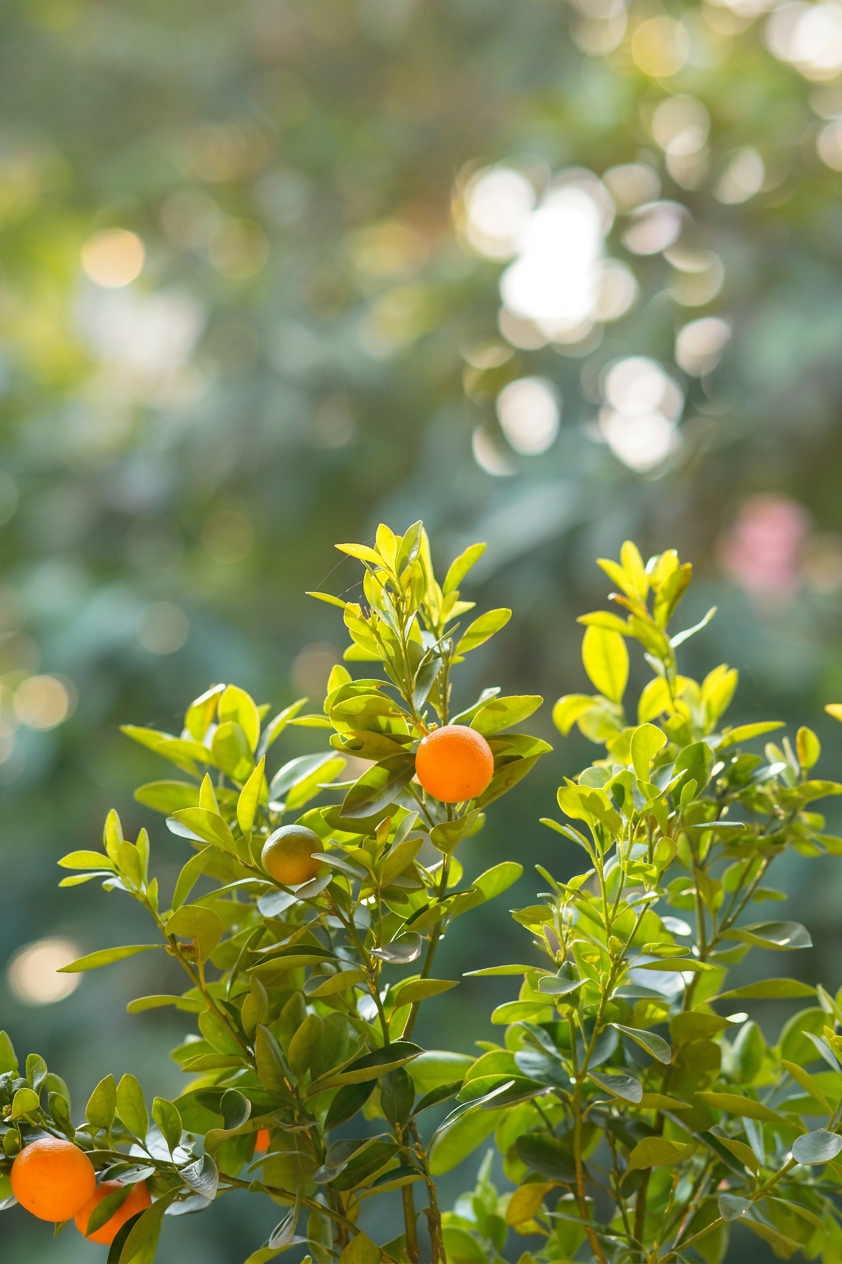
The Round Kumquat develops into a dense, compact evergreen shrub or small tree with a naturally rounded form. Mature specimens typically reach between two and four metres in height, although container-grown plants often remain smaller. Its tidy growth habit and manageable size make it an excellent choice for smaller gardens and confined spaces.
The foliage consists of small, glossy, deep green leaves that create an attractive backdrop throughout the year. Compared to many larger citrus trees, the leaves are finer in texture, contributing to the plant’s elegant appearance. The branches may occasionally carry small thorns, particularly on younger growth.
During late spring and summer, clusters of small white flowers appear amongst the foliage. These blossoms are highly fragrant and attract bees and other pollinating insects to the garden. Their delicate perfume is one of the many pleasures of growing citrus and often signals the beginning of the fruiting season.
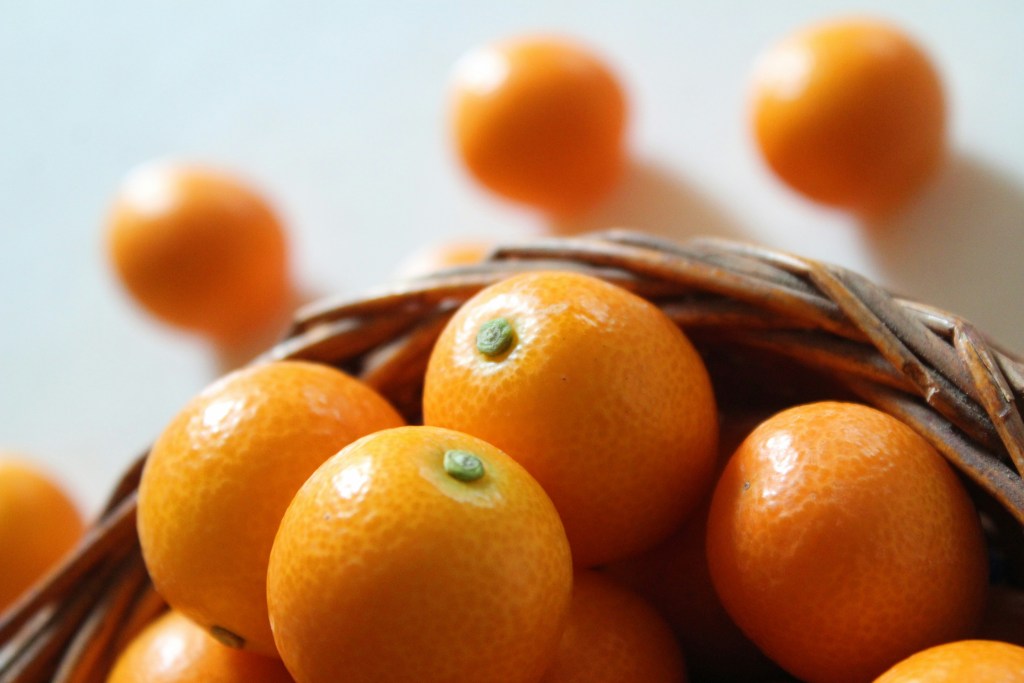
The fruit itself is the tree’s defining feature. Round rather than oval, the Marumi Kumquat produces small golden-orange fruits approximately the size of a large marble. The fruit often hangs in abundance along the branches, creating a striking display that can persist for several months. During winter, the bright fruit contrasts beautifully with the evergreen foliage, providing colour and interest when much of the garden is relatively quiet.
Growing Conditions
Marumi Kumquats thrive in full sun and perform best when provided with at least six to eight hours of direct sunlight each day. A sunny position encourages strong growth, abundant flowering, and reliable fruit production. In cooler climates, planting in a sheltered location can help protect the tree from cold winds and maximise warmth throughout the growing season.
Well-drained soil is essential for successful cultivation. Kumquats prefer fertile soils enriched with organic matter and generally perform best in slightly acidic to neutral conditions. Like most citrus plants, they dislike waterlogged soils and benefit from good drainage around the root zone.
One of the advantages of the Marumi Kumquat is its greater tolerance of cooler temperatures compared with many other citrus species. While it still benefits from protection during severe frosts, it can tolerate lower temperatures than oranges, lemons, and limes once established. This makes it an attractive option for gardeners in regions where growing citrus can be challenging.
Container cultivation is particularly successful with kumquats. Large pots with quality free-draining potting mix allow gardeners to move plants into sheltered positions when necessary while still enjoying flowers and fruit throughout much of the year.
Care & Maintenance
The Marumi Kumquat is relatively easy to maintain and rewards gardeners with years of reliable performance when provided with suitable care. Regular watering is important during establishment and throughout periods of active growth, flowering, and fruit development. Established trees are moderately drought tolerant but perform best when soil moisture remains consistent.
Feeding during spring and summer helps support healthy foliage, flowering, and fruit production. A citrus-specific fertiliser provides the nutrients required for sustained growth and abundant harvests. Container-grown plants often require more regular feeding due to the limited volume of growing media available.
Pruning requirements are minimal. Most maintenance involves removing dead, damaged, or crossing branches and lightly shaping the canopy if desired. The naturally compact growth habit means extensive pruning is rarely necessary.
Regular inspection of foliage and fruit allows gardeners to identify any pest or nutrient issues before they become significant. Healthy plants are generally resilient and can remain productive for many decades.
Seasonal Notes
The seasonal cycle of the Marumi Kumquat provides interest throughout the year. Spring brings fresh growth and fragrant blossoms that attract pollinating insects and signal the start of a new growing season. Summer sees active growth and the development of small green fruit.
As autumn approaches, the fruit begins to colour and mature, gradually transforming the tree into a vibrant display of golden-orange fruit. Winter is often the peak season of interest, with ripe fruit remaining on the branches for extended periods and providing colour when many other plants are dormant.
The evergreen foliage ensures that the tree remains attractive even outside its flowering and fruiting periods. This year-round presence gives the plant a valuable role within both ornamental and edible gardens, providing continuity across the seasons.
Uses
The Round Kumquat is valued equally as an ornamental and edible plant. In the garden, it can be used as a feature tree, patio specimen, courtyard focal point, or productive addition to an edible landscape. Its compact size makes it particularly useful where space is limited, while its decorative fruit provides exceptional visual appeal.
The fruit can be eaten fresh directly from the tree, skin and all. It is also widely used in preserves, marmalades, desserts, candied fruit, sauces, and beverages. The sweet peel and tart flesh create a distinctive flavour profile that is highly regarded by citrus enthusiasts.
Beyond its practical uses, the Marumi Kumquat contributes to the atmosphere of a garden. Its fragrant blossoms, evergreen structure, and colourful fruit encourage observation throughout the seasons. Watching the gradual progression from flower to fruit reminds us that nature works at its own pace and rewards patience with beauty and abundance. In this way, the Round Kumquat offers not only a harvest to enjoy but also an opportunity to connect more deeply with the rhythms of the natural world.