Gardenia florida
Gardenia jasminoidies

Plant Overview
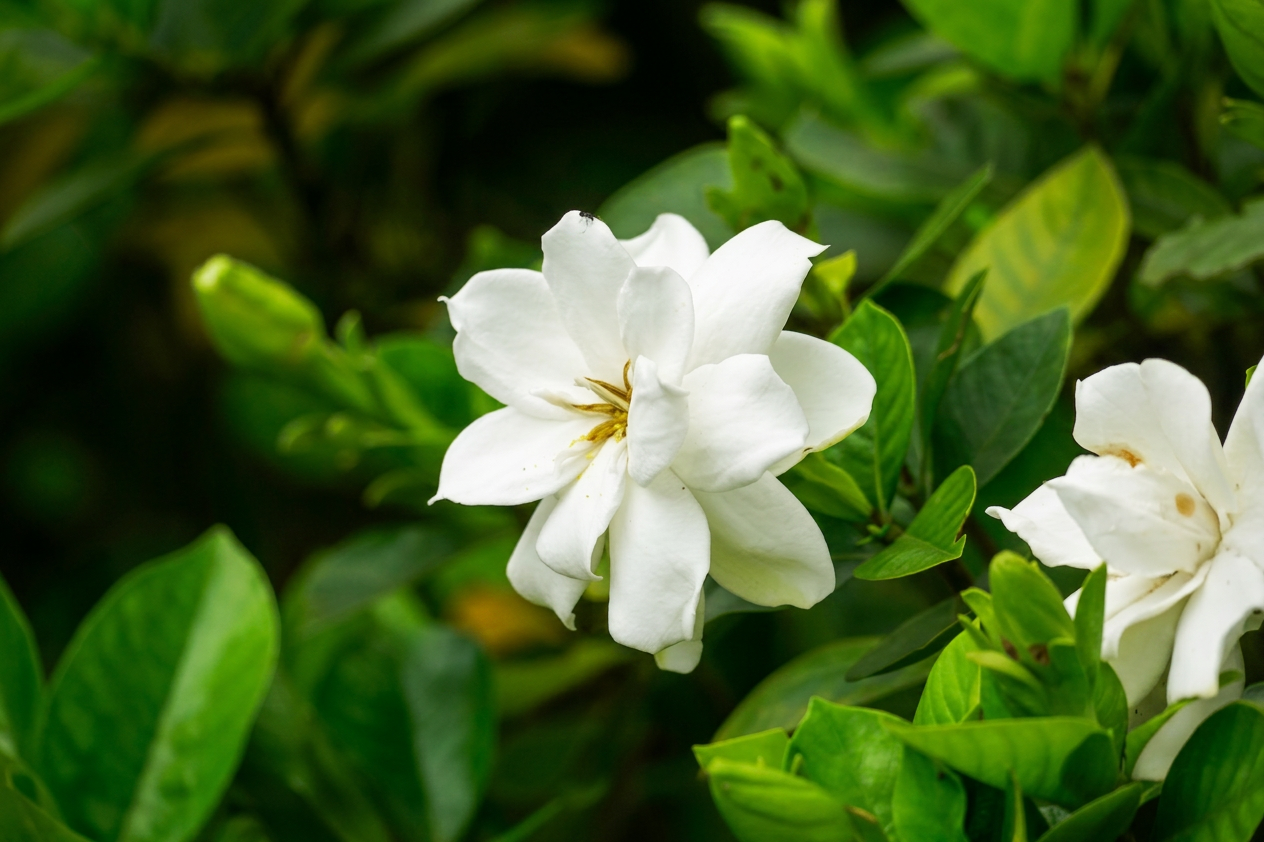
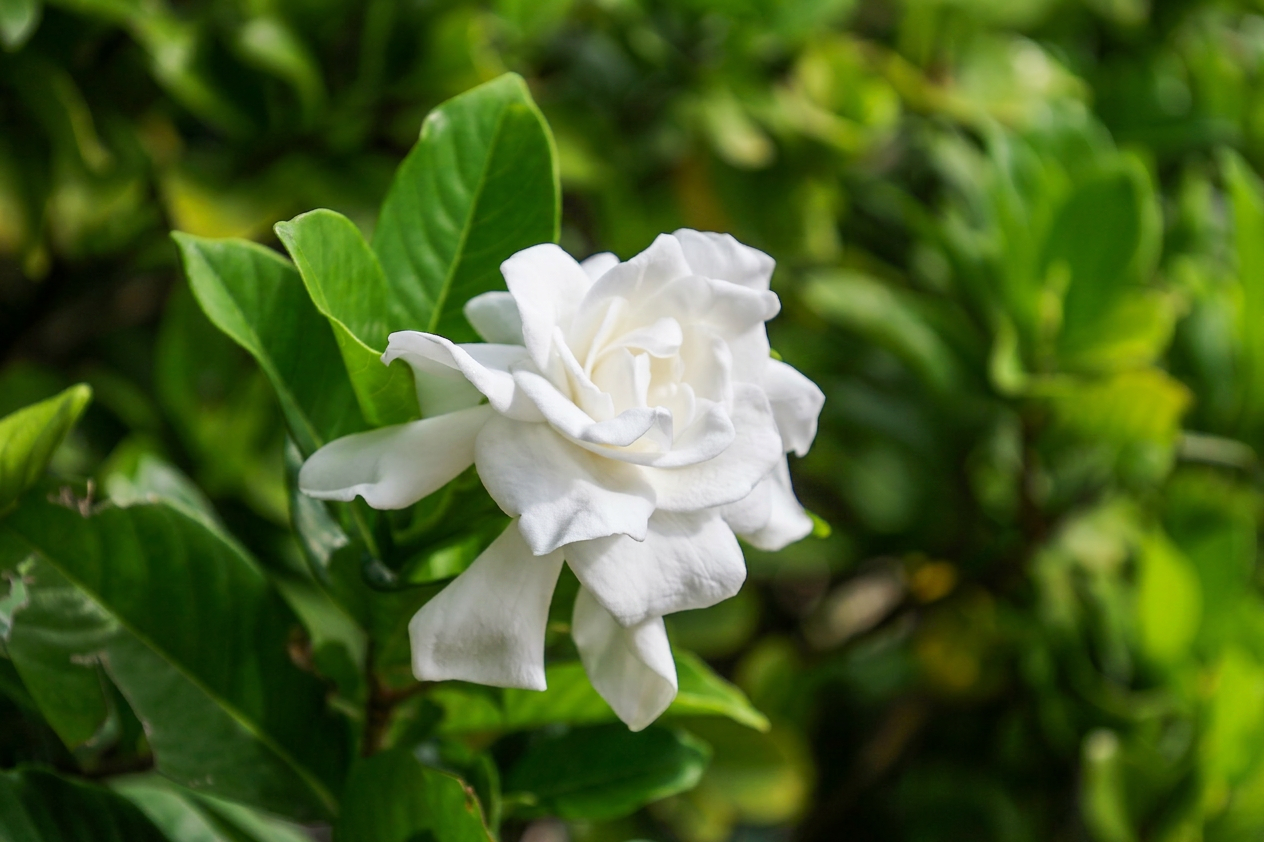
Gardenia florida, more commonly known today by its accepted botanical name Gardenia jasminoides, is one of the most beloved flowering shrubs in ornamental horticulture. Renowned for its exquisite white blooms and unforgettable fragrance, gardenia has captivated gardeners for centuries. Native to parts of China, Japan, Taiwan, and Southeast Asia, it has become a cherished feature in gardens around the world wherever climate conditions allow.
Few plants create such a powerful sensory experience. The sight of a pristine white flower unfolding against glossy green foliage is striking in itself, but it is the fragrance that truly defines the gardenia. Rich, sweet, and deeply evocative, the scent can drift through an entire garden on a warm evening, transforming an ordinary outdoor space into something memorable and immersive.
Gardenias encourage a slower style of gardening. They invite us to pause, notice, and engage with our surroundings through more than just sight. Their fragrance reminds us that gardens are experienced with all the senses and that some of the most meaningful moments outdoors come not from grand displays but from quiet encounters with a single flower.
Although gardenias can be more demanding than some ornamental shrubs, many gardeners find the effort worthwhile. The reward is a plant that offers beauty, fragrance, and a sense of refinement that few others can match.
Appearance & Growth Habit
Gardenia florida develops as a dense, rounded evergreen shrub with a naturally tidy and elegant appearance. Depending on the variety and growing conditions, mature plants typically reach between 1 and 2 metres in height and spread, although dwarf forms are also available for smaller spaces and container cultivation.
The foliage is attractive throughout the year. Leaves are deep green, glossy, and leathery, creating a polished appearance that remains ornamental even when the plant is not in flower. The rich foliage provides an ideal backdrop for the blooms and contributes valuable structure to the garden.
The flowers are the plant’s most celebrated feature. Emerging from late spring through summer, and sometimes extending into autumn in favourable climates, the blooms are typically creamy white and may be single, semi-double, or fully double depending on the cultivar. The petals often resemble miniature roses or camellias, adding an additional layer of elegance.
As flowers age, they gradually soften to cream or ivory tones before fading. This subtle progression creates a sense of movement within the plant and encourages repeated observation throughout the flowering season.
The overall growth habit is compact and dense, making gardenia suitable for formal plantings, foundation beds, containers, and intimate garden spaces where its fragrance can be fully appreciated.
Growing Conditions
Gardenias thrive in conditions that combine warmth, humidity, and protection from environmental extremes. They perform best in climates with mild winters and warm summers, although they can also be successfully grown in containers and protected environments in cooler regions.
A position receiving morning sun and afternoon shade is often ideal. While sufficient light is necessary for flowering, intense afternoon sun can scorch foliage and stress the plant, particularly during hot weather.
Like azaleas, camellias, and rhododendrons, gardenias require acidic soil. A soil pH between 5.0 and 6.5 is generally preferred. The soil should be rich in organic matter, well-drained, and capable of retaining consistent moisture without becoming waterlogged.
Gardenias dislike sudden changes in growing conditions. Consistent soil moisture, stable temperatures, and protection from drying winds all contribute to healthy growth and reliable flowering. Their somewhat sensitive nature often rewards attentive gardeners who take time to understand their preferences.
Container cultivation can be particularly successful when appropriate acidic potting mixes are used and moisture levels are carefully monitored.
Care & Maintenance
Gardenias benefit from regular care that focuses on maintaining stable growing conditions. Watering is especially important during flowering and periods of active growth. The soil should remain consistently moist but never saturated, as poor drainage can lead to root problems.
Annual applications of organic mulch help regulate soil temperature, conserve moisture, and gradually improve soil structure. Mulching also supports the shallow root systems that gardenias develop.
Feeding should be undertaken using fertilisers formulated for acid-loving plants. Yellowing leaves can sometimes indicate nutrient deficiencies associated with alkaline soils, particularly iron deficiency. Monitoring soil pH and maintaining appropriate growing conditions can help prevent these issues.
Pruning requirements are generally minimal. Light shaping immediately after flowering helps maintain the plant’s form and encourages bushy growth. Removing spent flowers can improve appearance and direct energy toward future growth.
Gardenias may occasionally experience issues with aphids, scale insects, whitefly, or sooty mould. Most problems can be reduced through good air circulation, appropriate watering practices, and maintaining overall plant health.
Seasonal Notes
Spring marks the beginning of the gardenia’s most active period. New growth emerges, flower buds develop, and anticipation builds as the first blooms begin to open.
Summer is the season when gardenia truly shines. The combination of glossy foliage, pristine white flowers, and powerful fragrance creates a sensory experience that often becomes one of the highlights of the garden year. Warm evenings can carry the scent remarkable distances, drawing attention even when the flowers themselves are hidden from view.
Autumn brings a gradual slowing of growth. Flowering may continue in mild climates, while foliage remains attractive and evergreen. The shrub continues to contribute structure and colour long after the peak flowering season has passed.
Winter reveals the plant’s evergreen framework. While growth slows considerably, the glossy leaves maintain visual interest and provide a reminder that the cycle of flowering will begin again with the return of warmer weather.
Uses
Gardenia florida is most often valued as a feature plant in locations where its fragrance can be fully appreciated. Positioned near entrances, patios, pathways, seating areas, or windows, it allows gardeners and visitors to experience its scent at close range.
It is particularly effective in courtyard gardens, sensory gardens, and therapeutic landscapes where fragrance plays an important role in the overall experience. The flowers can evoke memories, encourage mindfulness, and deepen a person’s connection with the natural environment.
Gardenias are also excellent container plants, allowing gardeners to position them where their fragrance can be enjoyed most fully. In formal gardens, they contribute elegance and refinement, while in cottage and woodland-inspired settings they bring softness and romance.
From a wellbeing perspective, gardenias demonstrate the importance of engaging multiple senses within the garden. Their fragrance encourages us to slow down and become fully present in the moment. A single bloom can transform an ordinary walk through the garden into a meaningful sensory experience.
In this way, gardenia offers more than ornamental beauty. It reminds us that gardens are places to be experienced rather than simply observed. The more closely we notice its flowers, fragrance, and seasonal rhythms, the more we understand the richness that plants bring to our everyday lives. Through that understanding, our connection with the garden deepens, becoming not merely an act of cultivation but a practice of attention and appreciation.